Feeds:
Posts
Comments

Archive for the ‘Kent’ Category


A fanciful proposition?

Maybe.

Probably.

After all, there are no breathtaking bridges (unless you count the Foord Road railway viaduct), no crippling hills (no, not even the Old High Street), no $40 million properties (how much IS the Grand worth?) and no former high security prisons once claimed for Indian land sitting off the shore in Kent’s garden resort.

But, having spent a lot of time in San Francisco over the past twenty years, and written extensively about it in the past five years, I believe there are enough similarities to entitle me to suggest that it has more in common with my childhood playground, and now home, of Folkestone than one might at first think. The only differences are ones of scale and international repute.

OLYMPUS DIGITAL CAMERA

Before I plunge into this pool of fantasy, a brief disclaimer.

The only photographs included in this piece are those of Folkestone – for a variety of reasons: 1) Many people will already be familiar with some of the sights I refer to in San Francisco; 2) If they don’t, there are probably millions of images and billions of words on the internet to fill them in, and 3) I have posted hundreds of images elsewhere on this blog and I’d be delighted if you were inspired to go hunting for them!

Back to the proposition.

Firstly, they are both marine ports with world famous stretches of water/land on their doorstep (the Golden Gate and the White Cliffs of Dover) as well as glorious bay/sea views in all directions and weathers.

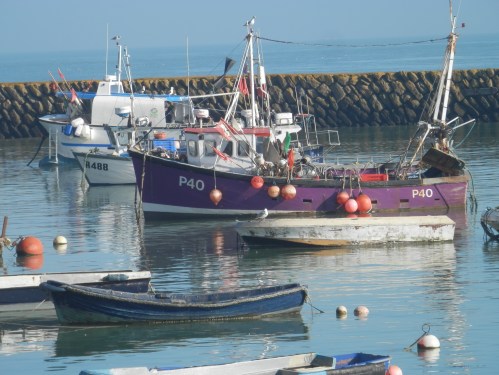
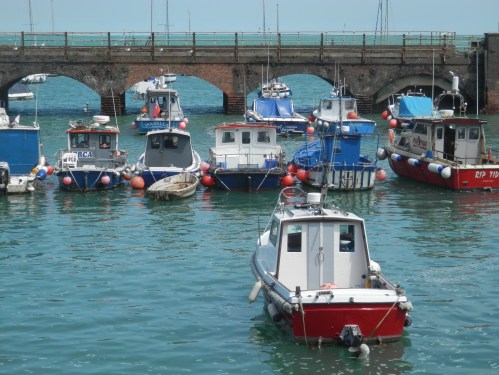
The boats in Folkestone’s pretty harbour hardly match up to the million dollar vessels you will find docked in Sausalito or Tiburon across San Francisco Bay. But the scene has a timeless charm that is endlessly captivating, whether at high or low tide.

OLYMPUS DIGITAL CAMERA

Both places teeter on the edge of their nation. Folkestone, with its proximity to mainland Europe, cemented by the opening of the Channel Tunnel in 1994, has long vied with neighbouring Dover for the title of “Gateway to England” (personally, I think it’s a draw), while San Francisco is on the seismically challenged tip of a vast continent.

And because of that position, they have both served as major embarcation points for their nation’s military in time of war. In the 1914-18 conflict, it is estimated that as many as eight million soldiers marched down Folkestone’s Road of Remembrance to the Harbour Station en route to the fields of Flanders and France, while in the Second World War, more than a million and a half soldiers left for the Pacific conflict from San Francisco and its neighbour on the other side of the Bay Bridge, Oakland.

OLYMPUS DIGITAL CAMERA

“The City” (as (we) San Franciscans call it) is consistently placed high (invariably first) on culinary surveys. The Foodie Capital of the U.S.A is no idle boast. Folkestone may not have attained that elevated status (for a start it’s not in the U.S.A. but you know what I mean), but a number of fine cafes and restaurants have sprouted in the town in recent years, a visible and tasty manifestation of the regeneration, courtesy in no small part to the beneficence of Sir Roger de Haan.

Rocksalt, the seafood restaurant perched alongside the small railway bridge that separates the inner from outer harbour, has recently been named the thirtieth best in the U.K and Googies has been adjudged Restaurant of the Year in the 2016 Taste of Kent Awards.

There are a number of other quality restaurants (Copper and Spices, Blooms @1/4 and Follies are personal favourites), both in the town and dotted along the recently reopened Harbour Arm, capped by the lovely Champagne Bar at the foot of the lighthouse.

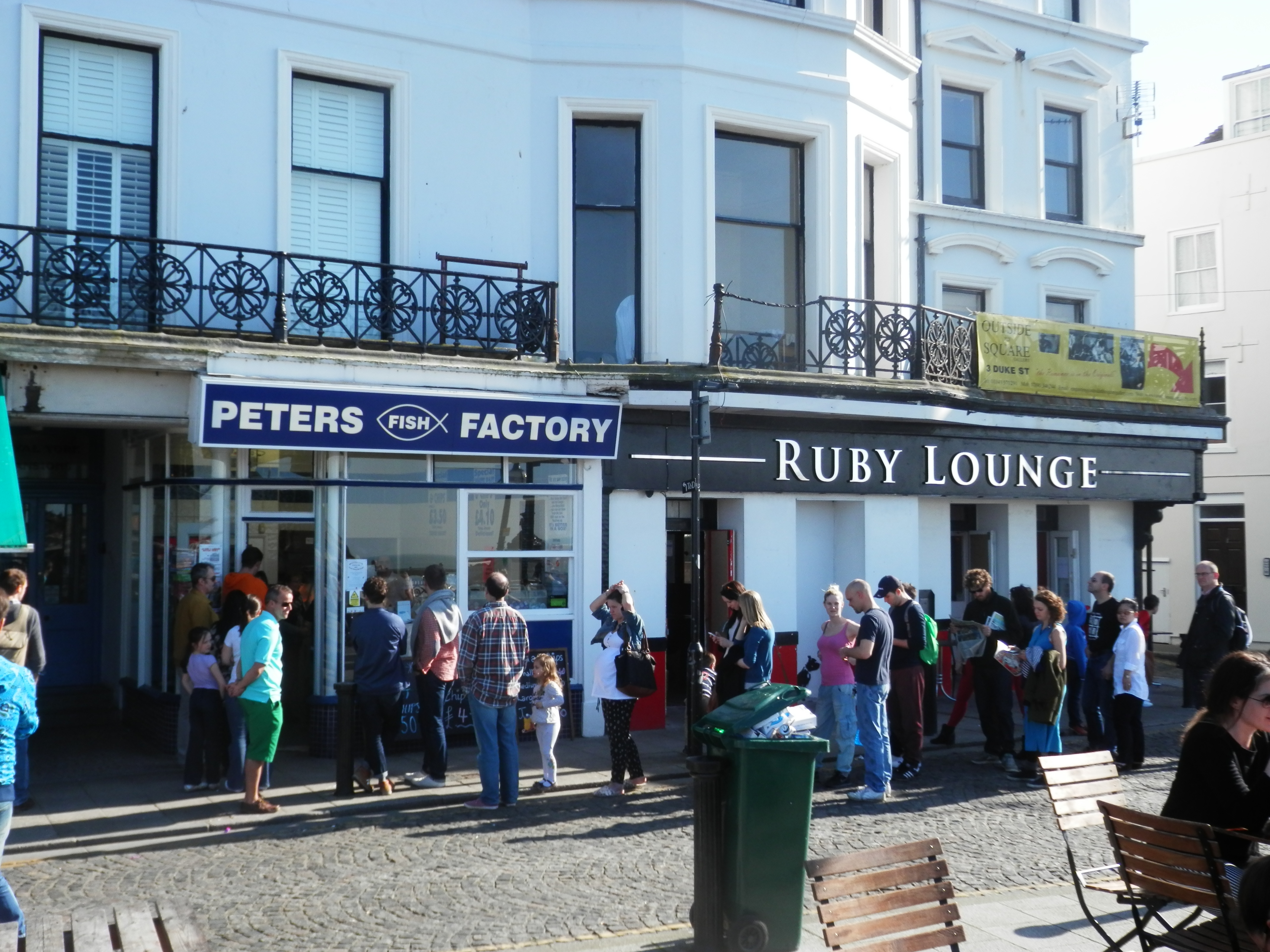
And one can’t forget, this being a seaside resort, that there are many establishments serving up fish and chips (not forgetting the mushy peas, white bread and butter and mug of tea).

OLYMPUS DIGITAL CAMERA

Coffee culture is strong too – many shops provide coffee and cake in addition to their primary products – and there is a distinct hipster vibe about Folkestone that mirrors – on a smaller scale of course – the atmosphere in neighbourhoods like the Mission, Cole Valley and Potrero Hill on the “left coast” of America.

Any self-respecting coastal resort would not be complete without its harbourside seafood stalls selling freshly caught crab and lobster as well as cockles, whelks and prawns. Bob’s, Chummy’s and La’s are all well established and popular purveyors of the denizens of the sea. A Fisherman’s Wharf in miniature you might argue.

OLYMPUS DIGITAL CAMERA

Home to Jack London and Dashiel Hammett, the Beat poets and the Summer of Love, inspiration for the WPA and Mission muralists, San Francisco has always had a reputation for being a town for artists, writers and musicians. After all, it provides a gorgeous natural canvas upon which to create. However, one of the consequences of astronomical rents in recent years has been to drive many artists out of the city.

OLYMPUS DIGITAL CAMERA

In contrast, Folkestone’s star as an arts venue of international repute is rising. Every three years – the next is in 2017 – it becomes host to a prestigious arts festival (Triennial), where artists are permitted free rein about town to create public artworks (there are already twenty seven pieces on display by luminaries like Yoko Ono and Tracey Emin).

This is the most high profile manifestation of a burgeoning arts scene centred on the Creative Quarter where galleries and performance space adorn the once run down Old High Street and Tontine Street. Indeed, it is the arts that has been the fulcrum of the regeneration that has become the envy of other coastal resorts around the UK (which, admittedly, have not had the benefit of a sugar daddy like de Haan.

OLYMPUS DIGITAL CAMERA

The City by the Bay is renowned for its year round cavalcade of neighbourhood and city wide festivals and fairs celebrating its cherished devotion to diversity, including Pride, the Haight Ashbury Street Fair, North Beach Festival, Hardly Strictly Bluegrass and Folsom Street Fair.

In contrast, Folkestone’s admittedly more modest, but nonetheless impressive, calendar of annual events, notably Charivari, the Harbour Festival, Leas Village Fete, Armed Forces DaySkabour and the Folkestone Book Festival among many others.

I cannot resist including a pet (not literally) subject of mine – gulls.

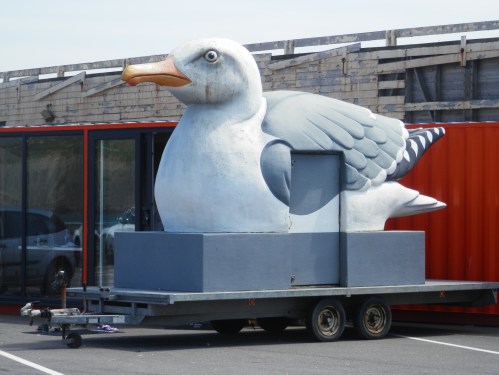
Both places boast a feisty, ravenous population, hardly surprising given their coastal position, but these, reflecting their human compatriots in each town, are genuine “characters”. The giant seagull artwork, now serving on Folkestone’s Harbour Arm as an unconventional tourist information kiosk, has become an unofficial poster boy (or is that gull?) for the town. But generally, so far, I’ve found the local birdlife noisy but reasonably friendly, especially when I cross Radnor Park of a morning when they waddle up to greet me (but don’t let me get too close).

OLYMPUS DIGITAL CAMERA

The same cannot be said for those that begin to circle San Francisco’s (base) ball park during the late innings of a Giants game in anticipation of feasting on leftover garlic fries. Fans remaining until the end of evening games have to have their wits about them.

There is one aspect of San Francisco life that I would not want to see replicated in Folkestone. San Francisco rents and the broader cost of living are the highest in the States, due largely to the influx of tech workers from Google, Facebook and Oracle to name but a few.

Now, the Alkham Valley doesn’t have quite the same cudos as Silicon Valley (pretty as it is – Alkham not Silicon), but there are other forces at play – improved accessibility to London through the high speed rail link, continued development and gentrification and relatively cheap house prices (for now) – that increase the risk of Folkestone becoming a town split between affluent “transplants” and residents who cannot afford to live in the place they were born and brought up in.

OLYMPUS DIGITAL CAMERA

There is a more substantial analysis called for here, and I may attempt it in due course. Moreover, there are other issues I might have explored – dogs and drinking spring to mind (that’s not about the bowls left outside the Leas Cliff Hall for the delectation of our canine colleagues but rather two very distinct subjects).

But, for now, there is certainly one further similarity between the two places that I must mention – I left my heart in both, in Folkestone as a ten year old gleefully gambolling (not gambling) in the rotunda and in 1995 on a fateful West Coast tour of the U.S.A.
Read Full Post »


This is the final part in a trilogy of posts centred on our recent relocation to Folkestone. The first outlined the historical and emotional reasons for making the move in the first place, whilst the second described the sometimes rocky road of searching for, buying and moving into our coastal retreat.

At the end of the last piece, written a fortnight after our arrival, I concluded that, not least because of the excellent weather we had enjoyed, it still felt as if we were on an extended summer vacation.

But now that another month has passed, and although the climate gods continue to shine upon us, we are beginning to feel that this is now our permanent home.

The frustrating saga of our landline, cable and broadband installation is finally over after forty two tortuous days.

We have purchased a number of new household appliances (and perpetrated an epidemic of hernia repairs among the delivery men into the bargain).

My wife has settled into her new office in town.

We are on first name terms with a pair of crows that have taken up residence in our beech tree. They love nothing more than to join the ducks in the lake across the road and the seagulls on the roof in a chaotic (pre-) dawn chorus.

And we have entertained guests from Norwich and Philadelphia.

For now then, it is fair to say that the fabulous Folkestone fairytale continues – as the images below demonstrate.

wp-image-853740679jpg.jpg

Folkestone must have more outdoor benches per square metre than anywhere else on the coast!


OLYMPUS DIGITAL CAMERA

One of the many attractive features of the award winning, child friendly Lower Leas Coastal Park – it can’t be claimed that this seaside town is the preserve of the elderly!

OLYMPUS DIGITAL CAMERA

This shop in the harbour thrilled me as a child, and it is no different now as we’ve already adorned our apartment with artefacts from its shelves


OLYMPUS DIGITAL CAMERA

The Grade II Leas Lift, a much loved icon, was restored to full operation this summer

OLYMPUS DIGITAL CAMERA

“Ok, I get it that you won’t let me have any of your fish and chips, and you’re only looking after my own welfare by not feeding me, but just remember who runs this town”

OLYMPUS DIGITAL CAMERA

Folkestone’s own Little Mermaid, modelled on local mother of two, Georgina Baker, gazes on our “chums” on the Cote D’opale from the rocks of Sunny Sands

OLYMPUS DIGITAL CAMERA

My fetish (I prefer to call it passion) for directional signs is amply satisfied around town

OLYMPUS DIGITAL CAMERA

The wild, weird, wonderful Warren is a secret jealously guarded by (us!) locals 

OLYMPUS DIGITAL CAMERA

Cafe culture at its best at Steep Street – welcoming smiles, potent coffee, delicious pastries, stacks of books, literary competitions and seats for great people watching – a killer combination

In conclusion, a couple of general observations. Cynics might sneer at what they perceive to be an overly positive initial impression, and I acknowledge that the rose-tinted spectacles haven’t been discarded yet. However, I offer the following:

  1. The people of Folkestone, especially in the retail and hospitality sectors, have been friendly and cheerful. And I have been particularly impressed by the courtesy of drivers towards pedestrians around town; and
  2. Folkestonians appear to care for their physical surroundings too – flower displays and other open spaces are lovingly tended, littering is less visible than in many other places I have lived in and visited and there is extensive renovation and redecoration of buildings going on, especially near the seafront.

I am very conscious, however,  that Folkestone is no more immune from the contagion of drunkenness and lawlessness that infects town centres across the country. Only last weekend, for example, a group of innocent bystanders was attacked in the early hours of the morning in Sandgate Road. I will not shy away in future from highlighting negative as well as positive features.

As the council gardening staff begin to dig up the flower beds along the Leas under another limpid blue sky that belies the reality of today’s Autumn Equinox, my thoughts turn to the next six months. Most of the time I have spent in Folkestone, as child and man, until now has been during the summer or in the late spring. But whilst I might mourn the imminent passing of hot, sunny days, I am excited at the prospect of witnessing winter storms crashing (but not damaging further) Coronation Parade and walking from Mermaid Beach into Sandgate and Hythe on cold, crisp February mornings.

The next phase of our Folkestone story awaits!


The first two posts in this series can be found at:

http://www.tonyquarrington.wordpress.com/2016/01/11/it-was-always-folkestone/

http://www.tonyquarrington.wordpress.com/2016/08/18/so-glad-we-made-it/

Read Full Post »


I explained in my last post (in what appears now to have been a different archaeological period) why my wife and I had decided to move to the Kent coast, specifically my childhood summer playground of Folkestone.

( http://www.tonyquarrington.wordpress.com/2016/01/11/it-was-always-folkestone/ ) .

Well, two house sales, one flat purchase and much frustration and spasmodic heartache later, we descended upon the town a fortnight ago. And every night over the dinner table we interrogate each other as to why we hadn’t done this many years before.

But, of course, there were a number of viable reasons (or were they excuses?) – proximity to ageing parents, financial constraints borne of a meaty mortgage and an almost bank-busting propensity to go on expensive holidays, particularly to the west coast of the U.S.A, or maybe it was just unwarranted caution.

But there is no value in dwelling on those now.

It is the future that matters.

And the future is Folkestone.

OLYMPUS DIGITAL CAMERA

We might have settled into our new apartment a month or so earlier had our sellers – now, let’s put this kindly – not taken a more relaxed approach to moving than us. Firstly, they refused to let the estate agents have a set of keys, insisting that they show prospective buyers around their property. Their prerogative, of course, and they did afford us nearly an hour of their time on two occasions, making us tea and establishing a strong personal rapport (we thought).

However, the fact that they engineered a seven week gap between those two viewings and prevented the surveyor from examining the apartment for a further month, explained by a combination of work commitments and regular retreats to their holiday home in France, proved immensely frustrating and stressful as progress on the sale of our house in Gillingham proceeded smoothly.

OLYMPUS DIGITAL CAMERA

Moreover, half way through the process, and completely out of the blue, their solicitor delivered an ultimatum to us, insisting that we pay a non-refundable deposit of 1% within 24 hours or they would pull out and place the property back on the market. Disaster was only averted through by the estate agent persuading them that fairness dictated that they put up a similar deposit. An open-ended exclusivity agreement sealed the deal, barring subsequent major catastrophe.

We had viewed eight other properties in the West End of town, none of which remotely matched up in terms of visual appeal, character or size. Once we had seen the property and submitted an offer at the asking price within five minutes of leaving it, we were determined that it would be ours. We even took a significant financial hit following the survey on our own house to secure it.

And the physical move was not without its difficulties either. Firstly, despite valiant and agonising attempts to reduce my book collection before the move, enriching the minds of the populace of the Medway Towns into the bargain, there were still a huge number of heavy boxes of books for the removal men, not only to load onto their van at our former house, but to carry up forty one steps to our apartment in the sky at the other end. We may not have taken much in the way of furniture and white goods, planning to buy long overdue new items on arrival, but this was still a challenging task for them in addition to the ninety mile round trip.

They were brilliant by the way.

OLYMPUS DIGITAL CAMERA

We have already bought a new washing machine (to replace the one that had served us so well for twenty years) and our first king size bed, incurring the wrath, in the process, of two teams of delivery men doomed to lug them up those aforementioned stairs. I know it’s their job, but I felt a little guilty as I witnessed the grunts and groans that accompanied the manipulation of the items round and over the bannister at each level.

I dread what expletives might reverberate around the building when a new oven, fridge/freezer and wardrobe are delivered in the coming weeks!

But – let’s be fair – they have it easy.

Because, at least in the case of furniture, they don’t have to assemble the blighters!

The manufacturer’s instructions for the bed stated that it would take two people an hour and a half to accomplish.

Yeah right!

Now, I’m arguably the least competent do-it-yourself person  on the planet, though my wife, having been brought up by a handyman father and two equally proficient brothers, has some aptitude (and, miraculously, managed to translate the nineteen pages of obtuse drawings into a workable plan).

I may never have been more impressed by her than on that day.

My contribution, such as it was, was to supply the occasional burst of brute strength.

So how long did it take us?

Only the seven hours!

Usain Bolt could have run the hundred metres 2,520 times in the time it took us to put that  together!

But it was worth it, even if there is still a niggling worry as we lay our heads down at night that it’s going to collapse beneath us.

By the way, the washing machine is working well. It even seems to know when the clothes haven’t quite dried and takes it upon itself to add a few minutes to the cycle. Modern technology eh?

OLYMPUS DIGITAL CAMERA

Well, at least we were able to slump in front of the television after our mammoth Saturday morning/afternoon ordeal.

Wrong!

Despite assertions before the move that our Virgin Media services would be installed within a few days of our landing in Folkestone, we will have had to wait three weeks before we have an operational landline, broadband or TV in the apartment. Consequently, we have not seen a single minute of the Olympics or the start of the Premier League season – oh, and I must not forget the soaps (my wife instructed me to include that). That said, we have caught up with a lot of movies and television series on DVD that we have not seen for years, or, in some cases, not even taken the outer sleeve off!

Telephone access is not a problem as we have mobile phones, but obtaining meaningful Wifi access (other than on said devices) has necessitated expensive daily trips to the coffee shops of Folkestone (I’m on my second flat white of the morning in Costa Coffee as I write this).

I would not wish any of the above to give you the impression that we are regretting the decision to move.

Far from it.

The glorious skies, near constant sunshine (so far), even the noisy but necessary birdlife have all been a joy, and Bob’s and Chummy’s at the harbour, Rocksalt, Copper and Spices, Django’s, the Lighthouse Champagne Bar at the end of the Harbour Arm, the GrandSteep Street coffee house and others have all benefited from our custom over the past fortnight.

A significant added and unexpected bonus has been my wife’s transfer from Chatham to Folkestone, converting a round trip drive of more than two hours into a ten minute walk to her new office.

We had planned to head out west in late September for a few weeks. This was diluted to a week in Italy as the exchange rate plummeted following the EU referendum (I refuse to use THAT word). Now, we have decided to stay at “home” and acclimatise ourselves to our new surroundings. After all, there is a sense that we are still on holiday and staying in somebody else’s apartment, but I’m sure that will recede as autumn and winter approach (or will it?).

But when I can gaze upon views like those below every day I feel blessed, and any temporary and trivial hardships, before, during and after the move, simply fade away (unlike love).

OLYMPUS DIGITAL CAMERA


OLYMPUS DIGITAL CAMERA

OLYMPUS DIGITAL CAMERA

OLYMPUS DIGITAL CAMERA


OLYMPUS DIGITAL CAMERA


Read Full Post »


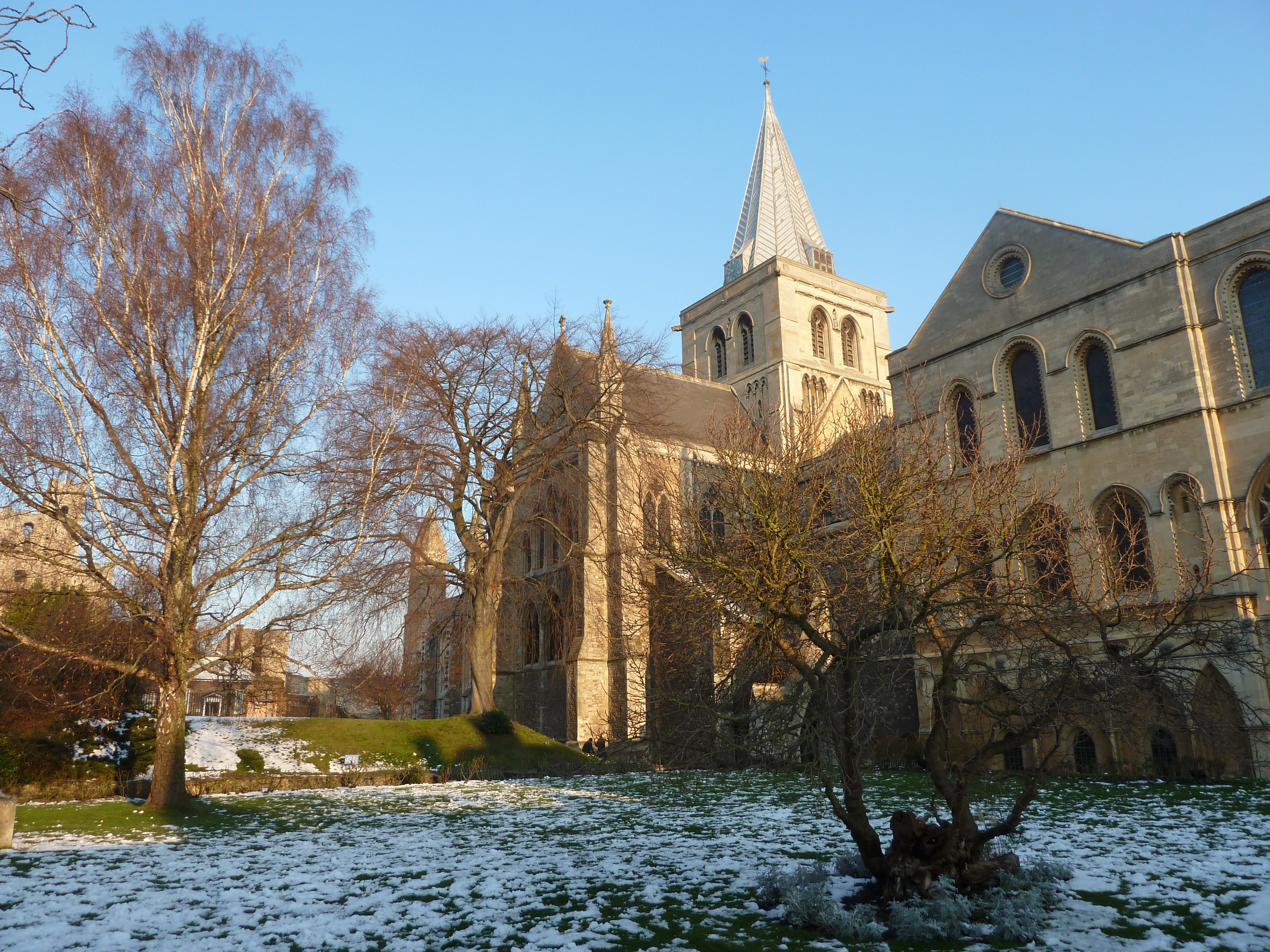
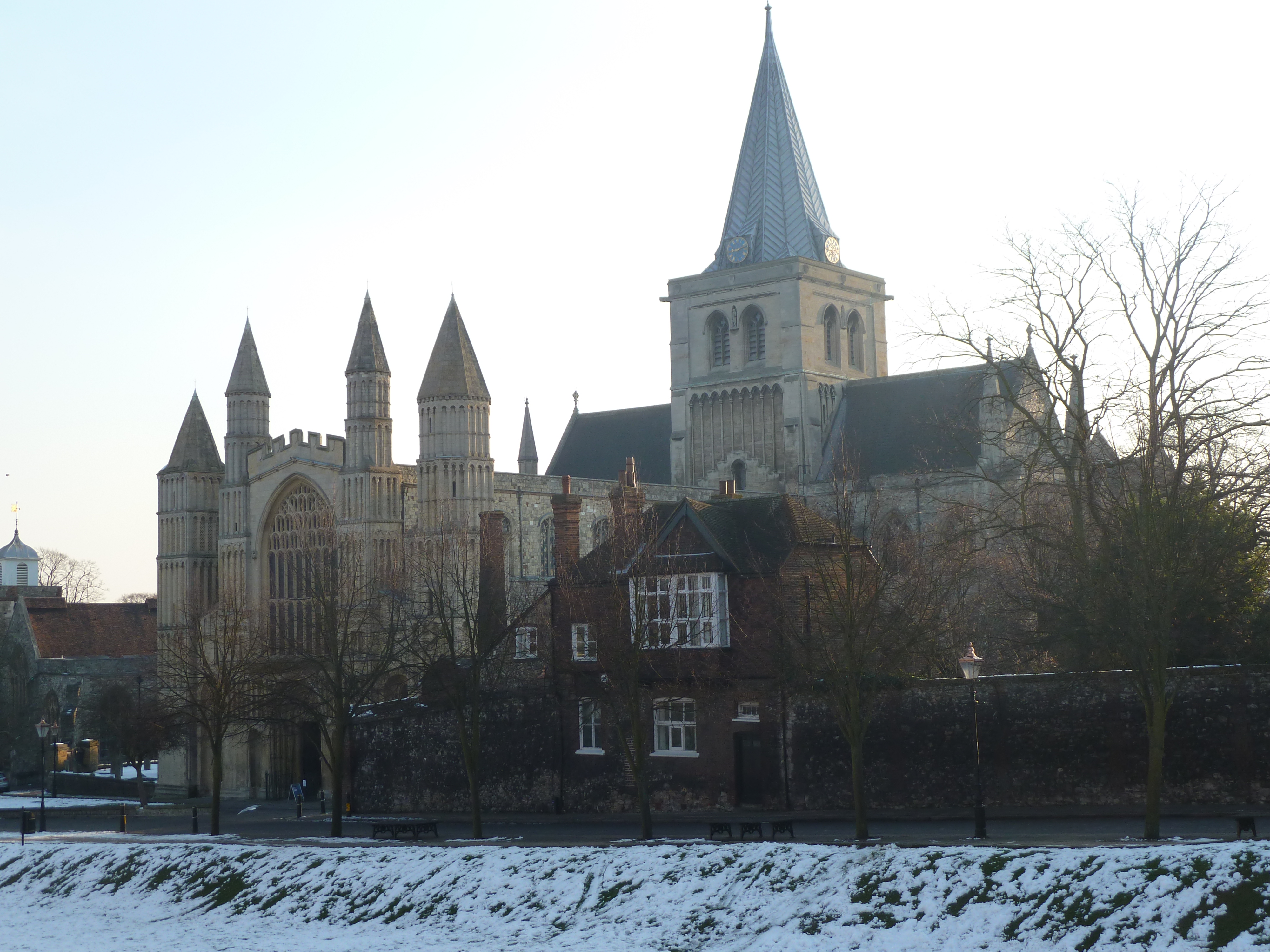
There are many reasons why I am grateful to have been born and educated in Rochester, notably the imposing castle keep, atmospheric cathedral and the close association with Charles Dickens.

The town also hosts a series of festivals and concerts throughout the year within its ancient high street and environs. Whilst the Dickens Festival, held on the weekend after the late May holiday is the oldest and biggest, it is the Sweeps Festival over the May Day weekend that I look forward to the most.

OLYMPUS DIGITAL CAMERA

For three days the town reverberates to the sound of accordions, bells, fiddles, clattering clogs and crunching sticks in one of the largest May Day celebrations in the UK.

But why sweeps?

Well, Dickens is again the inspiration for this extravaganza of music, dance and street theatre.  May Day was the one day’s holiday a year for chimney sweeps  or “boys” in Victorian England, and the novelist highlighted their plight.

The festivities actually begin earlier – at 5.32am on 1st May to be precise.  At the picnic site near Bluebell Hill, the principal road between Chatham / Rochester and Maidstone, the slumbering Jack-in-the-Green is brought back to life by sweeps, Morris Men and anyone else dedicated or foolhardy enough to rise at such an early hour.

OLYMPUS DIGITAL CAMERA

Back in Rochester, the narrow and sleepy high street stirs at around 11 o’clock each morning as shops and stall holders prepare their pitches against a backdrop of  Morris sides jingling into position for their first dance. Many of the pubs host live folk acts too. As you walk from one end of the street to the other you will hear snatches from every strand of the folk tradition.

OLYMPUS DIGITAL CAMERA

Already impassable to vehicular traffic, the street soon becomes clogged (pun intended) with human onlookers, some regular devotees but many others, local residents making their annual pilgrimage to gawp at the strange people from eight to eighty dressed in waistcoats adorned with badges, hats, handkerchiefs, bells and carrying the obligatory personalised beer mug (usually pewter).

OLYMPUS DIGITAL CAMERA

The 2014 Festival, blessed with the fine weather that can make or break such an outdoors event in spring in England, was the 35th since the tradition was revived. More than sixty “sides” from as far afield as Nottingham and Warwickshire performed the full gamut of Morris dances – Cotswold, Border, North West Clog and Black Face.

Kent was understandably well represented with, among others, festival favourites such as Bishop Gundulfs, Kits Coty and the Loose Women. Less traditional forms of dance, notably Gothic (the Screeming Banshees) and Sand (the Fabulous Fezheads), provided added spice.

OLYMPUS DIGITAL CAMERA

The entertainment was not confined to the crowded high street. The War Memorial was home to “Busker’s Corner” and stages behind the City Wall bar and on Boley Hill leading up to the Castle allowed further opportunities for singers. The car park adjacent to the castle moat was abuzz with enthusiasts trawling through the treasures in the record and musical instrument tents.

OLYMPUS DIGITAL CAMERA

The main stage in front of the Castle was permanently in use with a succession of folk acts, and the gardens contained a food, drink and lifestyle fair, children’s fun fair and a number of other craft marquees.

OLYMPUS DIGITAL CAMERA

OLYMPUS DIGITAL CAMERA

OLYMPUS DIGITAL CAMERA

Back in the high street again, the music – and the drinking – never stopped.

OLYMPUS DIGITAL CAMERA

And the dances – and fashion  – got weirder.

OLYMPUS DIGITAL CAMERA

OLYMPUS DIGITAL CAMERA

It had barely been a fortnight since, empty and depressed, I’d left San Francisco. But there can have been few better tonics than a day at the Rochester Sweeps Festival, which was rounded off by a fine concert from the original English folk-rock band, Fairport Convention that evening at Chatham’s Central Theatre.

Moreover, it heralded the start of the English summer – light evenings, more festivals, cricket, seaside trips.

And even the prospect of some warm sunshine.

Now that’s not something San Francisco can guarantee is it?

Read Full Post »


Margate, on the north eastern tip of the Isle of Thanet in Kent, sixty four miles east of London, epitomises the rise and fall of the English coastal resort.  A booming seaside town in its Victorian heyday, and still hugely popular as recently as the nineteen sixties, it declined into decay and dilapidation in the past quarter of a century. But now it is slowly emerging from the ashes with an ambitious regeneration programme designed to re-position the resort as an artistic and heritage destination.

OLYMPUS DIGITAL CAMERA

Turner Contemporary

It was the association, during the eighteenth century, of seawater with good health due to its spa qualities that sparked an interest in the coastal resorts around Britain. Initially a fishing town, and a haven for smugglers, Margate capitalised on the growing passion for “taking the cure” in the sea by constructing, as early as 1805, bathing machines that allowed ladies to enter the water from its beautiful sandy beaches with the utmost modesty.

OLYMPUS DIGITAL CAMERA

The Main Sands (during Quad Bike show)

Growth, however, was slow in the early decades because it took several hours to travel from London to the town and the cost was prohibitive for the average worker   Moreover, accommodation provision was negligible. This all changed in the nineteenth century.  Firstly, steamboat services reduced the cost and time of travel from London, with a discrete service operating to Margate by 1820.  Grain hoys unloading their cargo at London docks would return to the town “laden with passengers”.  Piers were built, initially to provide landing stages, but they soon became the places to be seen.

OLYMPUS DIGITAL CAMERA

The Harbour Arm

The expansion of the railway network, along with the enactment of the Bank Holiday Act in 1871, put the resort within the reach of working class Londoners.  For those who could afford a longer stay than the customary day trip, guest houses began to emerge, often in impressive Georgian and Victorian houses.  Margate was invariably in the forefront of innovation and convenience for the holidaymaker, not least in being the first resort to provide deckchairs on its attractive, sandy beaches in 1898.

OLYMPUS DIGITAL CAMERA

Fine, sandy beaches abound

With improved transport links, fine sandy beaches and a carefree atmosphere, Margate was a highly popular holiday destination during Victorian times, welcoming, by 1879, between 16,000 and 24,000 people every day during the summer.  Its popularity endured beyond the two world wars and well into the third quarter of the next century.  Day trippers, often on works or club outings, would stream off the trains and coaches from the capital for a “day on the sands, donkey rides, cockle and whelk stalls, fish and chips, Punch and Judy and amusement arcades”.

OLYMPUS DIGITAL CAMERA

Queues for fish and chips are long all day

Tracey Emin, a Margate native and impassioned champion of the resort, speaks lovingly of her upbringing in the town, and recalls, in the late sixties and seventies, visiting the “Lido – a giant art deco half-moon pool with an array of diving boards”, and listening to Tony Savage playing the organ while “old ladies dance together to Tea for Two”.  Thousands of striped deckchairs adorned the golden sands and the “Golden Mile would be a siege of people walking eight-deep with candyfloss and kiss-me-quick hats”.

Every day from May to September was “full of golden sunshine and beautiful emerald green seas”.  Carnivals, talent shows, bathing beauty contests, puppet theatres thrived and the Winter Gardens and Theatre Royal welcomed the major music hall and, more latterly, TV stars of the day.

The jewel in the crown  was the fifteen acre Dreamland Amusement Park.  The site was formally opened in 1920 when, inspired by Coney Island, the mile long Scenic Railway wooden rollercoaster was unveiled, carrying half a million passengers in its first year alone.  Other rides followed and the site was augmented, partly with investment from Butlins, by the construction of a huge ballroom, cinema, pleasure gardens, ice rink, zoo and Big Wheel.

OLYMPUS DIGITAL CAMERA

Improving refreshment facilities

Purchased in 1981 it became Bembom Brothers White Knuckle Theme Park, reverting to the Dreamland name in 1990, and, with the addition of a number of “high tech” rides, it was one of the top ten most visited tourist attractions in the UK.

OLYMPUS DIGITAL CAMERA

Once it lived up to its name………maybe again?

But a lethal combination of longer paid holidays, inexpensive package tours to Spain and, more latterly, the rise of low cost airlines, spelt the end of the halcyon days of the domestic seaside resort.  British tourists could now afford to travel abroad where sunshine was guaranteed and the cost of living was often cheaper.

Margate was especially badly hit by the dash to the Med. As fewer visitors stepped off the trains, much of the Victorian infrastructure – piers, sundecks and Grade II listed buildings – were blown up or left to rack and ruin. Natural disasters also put paid to much loved icons, with the 123 year old pier perishing during a violent storm in 1978.

OLYMPUS DIGITAL CAMERA

Sunday lunchtime outside one of its many pubs

Many of the large guesthouses, of which the town was once proud, were split up into bedsits, others became care homes or social housing, inhabited by asylum seekers, refugees and the elderly, placed there by local authorities from as far afield as London.

As the number of visitors dried up, local industry declined, resulting in abnormally high levels of unemployment and social deprivation for the region with the accompanying increase in crime.

OLYMPUS DIGITAL CAMERA

Only the sign remains

The sale of Dreamland in 1996 led to many of the rides, including the Big Wheel, being removed to other parks or sold off.  In 2003 the new owners announced that the park would close and the land sold for retail and commercial use.  Its closure came two years later, sold for a fraction of its real value. Around a third of the Scenic Railway, now Grade II listed and the second oldest in the world, was severely damaged in an arson attack in April 2008.  Despite having its Listed building status upgraded to Grade II* (buildings of special architectural or historic interest) the Dreamland Cinema also closed in 2007, replaced, inevitably, by an out of town multiplex cinema.

Even the famed Main Sands progressively lost their glamour.  The only remaining donkey ride licence holder in the resort gave up his licence in 2008, signalling the end of a service that had thrilled small children for more than two centuries. And as recently as June 2010 year businesses complained that the “stench of rotting seaweed” on the seafront “driving away tourists”.

OLYMPUS DIGITAL CAMERA

Looking back towards town from the harbour arm

To compound the frustration for Margate, its neighbours Broadstairs and Whitstable , have both enjoyed a renaissance in recent years, trading primarily on their respective Victorian and “foodie” identities.  That said, the typical visitor to those resorts was always a little more sophisticated than the traditional working class visitor to Margate.

In order to remain a viable tourist destination, the challenge for Margate is to enhance and, where necessary, revamp the unique and appealing parts of its product to meet changing tastes.  If it can develop new attractions and facilities that satisfy the modern holidaymaker, as well as entice customers craving a lost past, then even better, especially in a period of austerity.

OLYMPUS DIGITAL CAMERA

Heaven for every child from ages 2 to 102

And despite its recent troubles Margate still has outstanding natural features that ought to be marketed to the hilt.  The beaches are excellent, in particular the lovely sweeping curve of the Main Sands, which has consistently achieved Blue Flag status, though controversially and, it is anticipated, temporarily, it was removed in August 2010.

Moreover, despite their current shabbiness, many of the remaining Georgian and Victorian houses along the seafront have an air of gentility that, with careful renovation, could light up the promenade again.  And the Old Town, with its narrow lanes and streets, also exudes a charm that could be better promoted to attract the missing tourists, though the preponderance of boarded up shop fronts makes it hard for the visitor to look beyond the current down at heel atmosphere.

OLYMPUS DIGITAL CAMERA OLYMPUS DIGITAL CAMERA OLYMPUS DIGITAL CAMERA

Scenes from the  burgeoning artistic quarter

There are two major developments, part of a wider regeneration project, which might just put the town back among those premier seaside resorts such as Blackpool and Bournemouth that have successfully ridden the storm. Dreamland is Margate’s core, talismanic built attraction.

There is now hope for its future.  Rejecting the previous owners’ desire for it to become a retail and commercial site, local people and Government have secured its continued use as a leisure facility. The aim is to redevelop it as the world’s first amusement park of historic rides and attractions, the centrepiece of which will be a renovated and restored Scenic Railway.

OLYMPUS DIGITAL CAMERA

Another of the lovely beaches

Some vintage rides have already been donated, including many of the unique rides from the defunct Pleasureland Southport amusement park such as the 1940s Catapillar Ride, King Solomons Mines rollercoaster, workings from the Ghost Train and River Caves and Hall of Mirrors. The Junior Whip from Blackpool Pleasure Beach and the now-demolished water chute at Rhyl are also destined for new homes on the North Kent coast. The success of Dreamland’s new incarnation when it opens will be fundamental to the town’s financial and spiritual well being.

OLYMPUS DIGITAL CAMERA

Main Sands with artistic quarter in background

Art and culture stand alongside heritage at the heart of Margate’s regeneration plans.  Conceived as a new twist on its tourist offer the £17.4 million Turner Contemporary art gallery is located in a plot of land adjacent to the harbour.  It is already having the same positive impact as the Tate Gallery in St Ives in Cornwall has had.

OLYMPUS DIGITAL CAMERA

Turner Contemporary watches over the fishing boats

J.M.W. Turner said that Margate had the “loveliest skies in Europe”, and painted more than  a hundred  scenes to prove his point.  The controversial gallery named in his honour plans to exhibit work from a variety of artists, including that of Tracey Emin.  The gallery is designed not only to attract high paying visitors but also to reduce the town’s reliance on the summer season by providing year round exhibitions.

OLYMPUS DIGITAL CAMERA

The evidence for Turner’s claim

Margate has endured spectacular growth, maturity and depressing decline over the past two hundred years.  Restoring it to its former glory will be a daunting task but, through the planned marriage of art and heritage, spiced with nostalgia and allied to its wonderful natural assets, it deserves to succeed.

And on a glittering March afternoon like that on which I wrote this piece, there are fewer finer places to be.

Read Full Post »


My home county of Kent has long worn the accolade of the “Garden of England” lightly but it also boasts an enviable heritage, including many fine castles. Below are photographs and brief descriptions of some of the most celebrated.

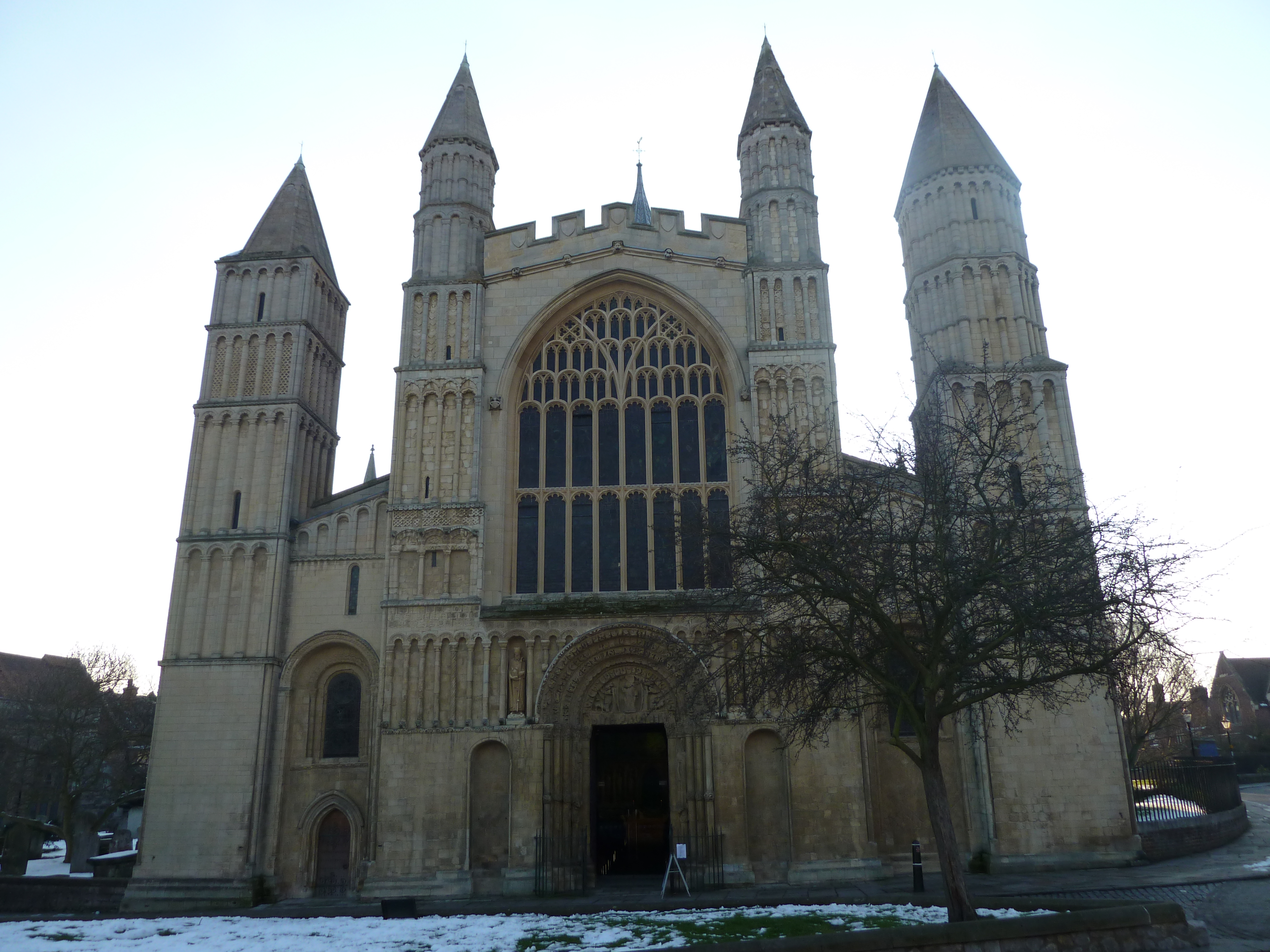
There is only place to start – with the great twelfth century Norman keep in my home town of Rochester, beloved of Charles Dickens. Standing on the east bank of the River Medway, it was besieged four times during its first three hundred years, but has survived, if much changed and as a magnificent ruin, ever since. Open to the public all year round, its pigeon poop encrusted turrets offer outstanding views of the river and beyond.

OLYMPUS DIGITAL CAMERA

OLYMPUS DIGITAL CAMERA

P1010811

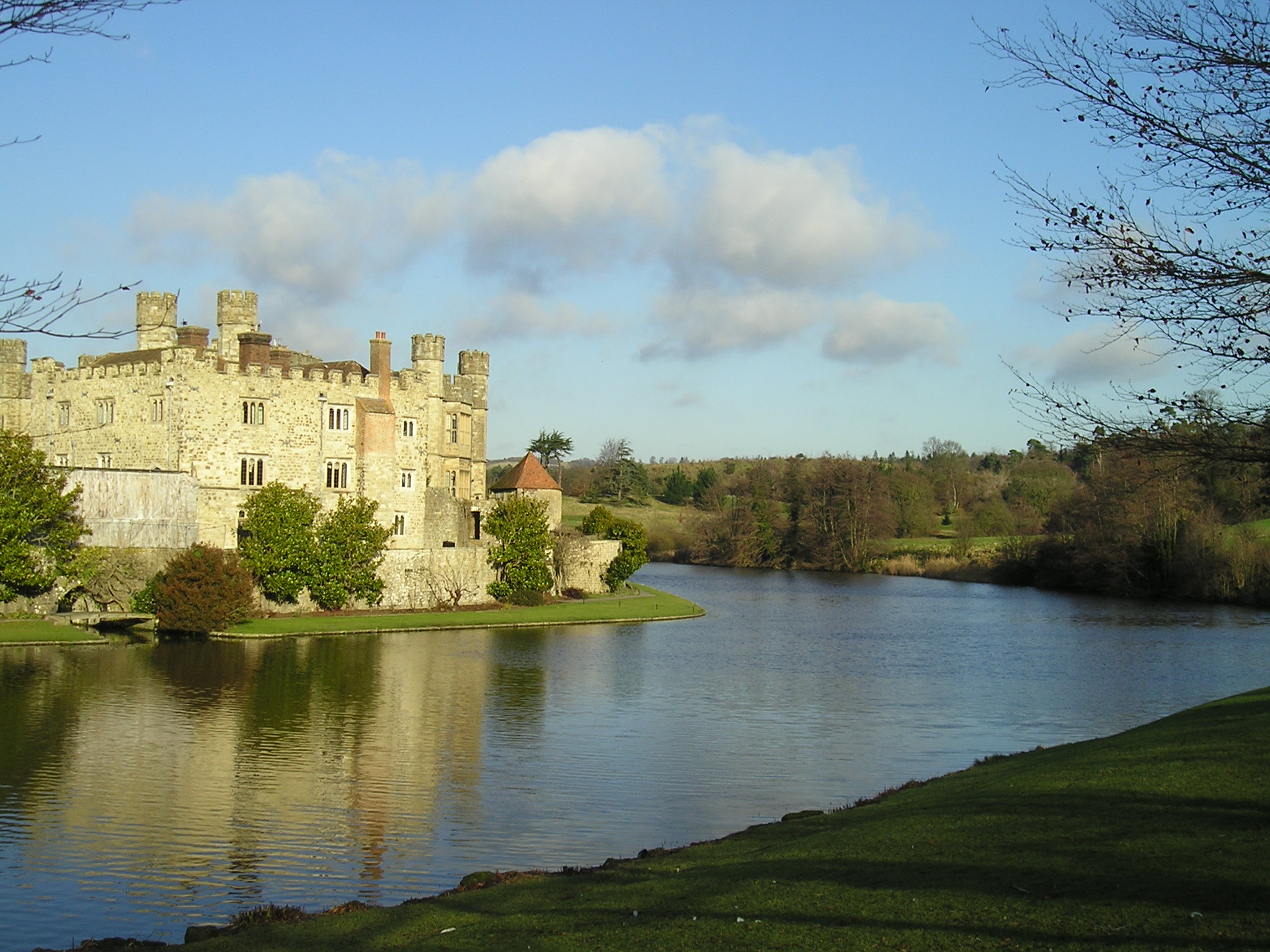
Romantic Leeds Castle, described by the historian Lord Conway as the “loveliest castle in the world”, is approaching its nine hundreth anniversary, though the modern structure dates largely from the nineteenth century. More than half a million people visited the castle and its maze, aviary, grotto and golf course in 2010. As the third picture illustrates, all the public rooms are beautifully decorated for Christmas.

OLYMPUS DIGITAL CAMERA

OLYMPUS DIGITAL CAMERA

OLYMPUS DIGITAL CAMERA

Tonbridge Castle, with its magnificent twin towered gatehouse, is another product of the Norman invasion, and whilst it might not attract the volume of visitors enjoyed by Leeds, it occupies a prominent position alongside the River Medway towards the northern end of the high street, and locals and tourists alike enjoy the attached public park .

OLYMPUS DIGITAL CAMERA

The principal attractions of Sissinghurst  Castle are the stunning gardens created by novelist Vita Sackville-West and her husband, Harold Nicolson, in the nineteen thirties.  The adjoining buildings may not resemble everyone’s idea of the traditional castle (it was originally a mansion set within a working farm), but, along with the imposing prospect tower, the beautiful brickwork and hanging foliage are  a delight. 

OLYMPUS DIGITAL CAMERA

OLYMPUS DIGITAL CAMERA

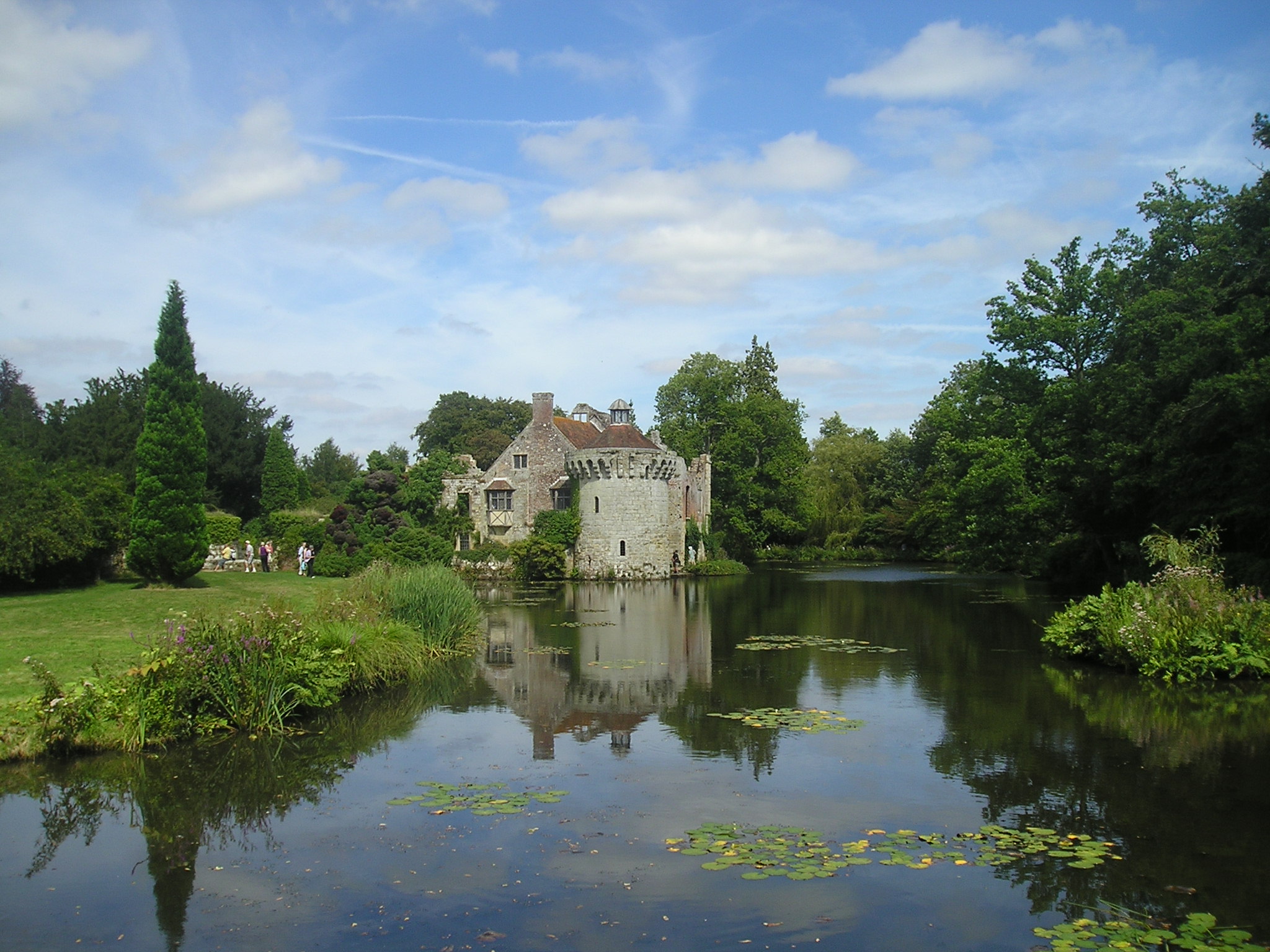
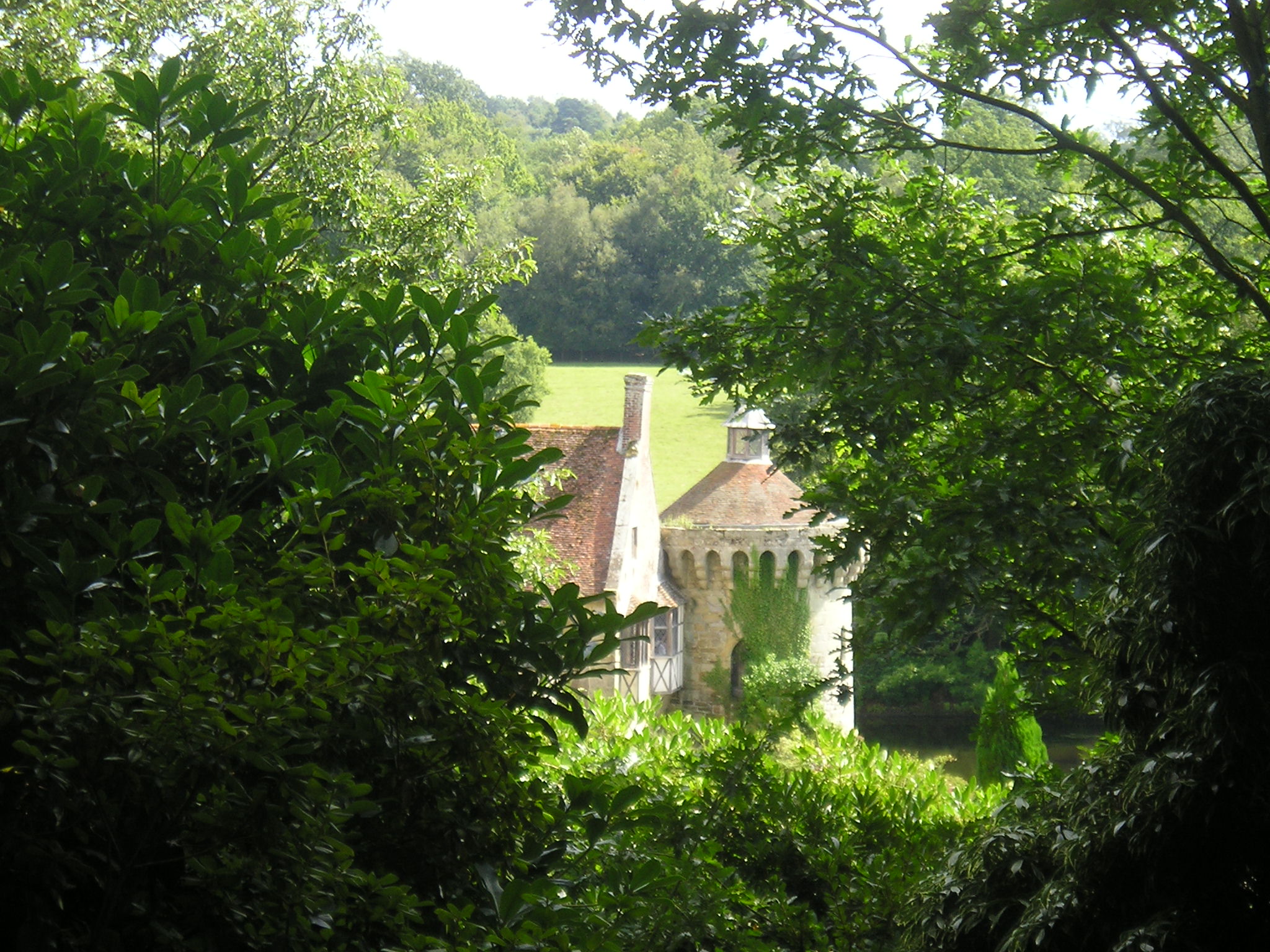
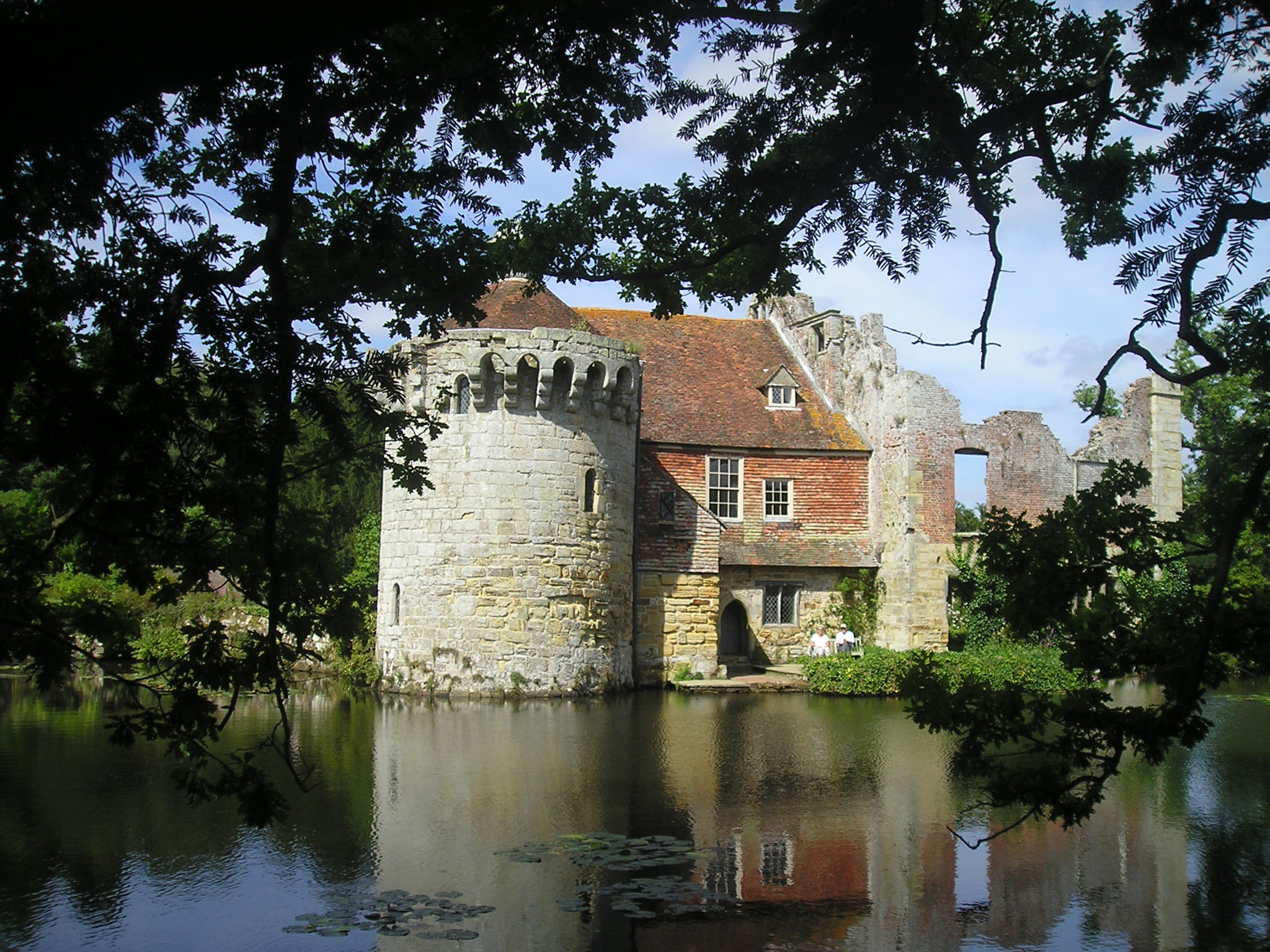
My personal favourite is achingly beautiful Scotney Old Castle, whose ruins are the very essence of the dreamy fairytale English castle. Technically, Scotney Castle is the name of the “modern” house at the top of the gardens, but it is the older, smaller version,   complete with lily pad decorated moat, that entrances visitors.

OLYMPUS DIGITAL CAMERA

OLYMPUS DIGITAL CAMERA

These are but a few of the beautiful castles and manor houses that are dotted around the Kent countryside. I am conscious that, on this occasion, I have omitted the mighty “Gateway to England” at Dover, Anne Boleyn’s home at Hever and the neighbour on the coast at Deal and Walmer. And I haven’t started on Knole, Chartwell, Groombridge Place and Ightham Mote.

I can see this becoming a series in its own right.

Read Full Post »


With the exception of a couple of years in County Cork, all my summer holidays between the ages of 10 and 18 were spent in and around the once fashionable seaside resort of Folkestone in Kent, on the southeastern coast of England, a handful of miles from the fabled White Cliffs of Dover.

Although there was only one small, and invariably packed,  patch of sandy beach along its lengthy seafront (most was pebble and shingle), the magnificent Rotunda amusement arcade, fringed by fairground rides, putting green and boating lake, kept this young boy and his cousins handsomely entertained for two weeks.

And if, in the unlikely event we got bored, there was county cricket at the Cheriton and a testing pitch and putt golf course on the windswept cliffs overlooking the small but bustling harbour, where plates of fresh cockles and whelks were in abundant supply. Finally, there was a daily ferry service to Boulogne in Northern France, though my recollections of a youthful life on the ocean wave have more to do with leaning over the side of the boat than tucking into a full English breakfast in the café.

Folkestone may not have enjoyed the cheeky, “kiss me quick” ambience of Margate or Southend, but I loved its quieter, more refined atmosphere, and have much affection for it still. My parents even spoke on occasion of retiring to the resort but, sadly, it never happened.

OLYMPUS DIGITAL CAMERA

The past forty years have seen the town, in common with many other resorts around the British coastline, decline dramatically as a holiday destination as people have taken advantage of greater leisure time and resources to travel further afield. The rotunda and surrounding attractions have been demolished, the lively, cobbled Old High Street that winds up to the modern town centre fallen into disrepair and many of the businesses dependent upon holidaymakers closed.

Gone are the shops selling postcards, beach balls and buckets and spades. Gone are the traditional tea rooms and fish and chip restaurants. And gone is the shop with the big picture window through which children and adults alike gaped in awe at sticks of Folkestone rock being made.

image

But there are signs that Folkestone is beginning to stir again. The Old High Street has undergone a makeover. One of a kind gift shops, artisanal food stores and galleries have emerged in recent years, along with a burgeoning artistic community. A handful of attractive restaurants have sprung up around town and extensive investment has been forthcoming. There may no longer be any cross-channel services, but the town’s accessibility from London and the rest of Kent has been enhanced by the arrival of a high speed rail service.

image

image

image

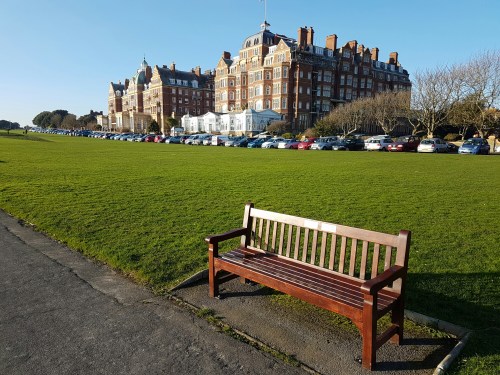
The jewel in Folkestone’s crown remains the Leas, once described as “indisputably the finest marine promenade in the world”, a wide clifftop walk with well tended flower beds and glorious views across the channel. On a clear day, you can almost pick out individual buildings on the French coast as you head towards the neighbouring resort of Sandgate.   Imposing old hotels speak of the resort’s former glory, no more so than the Grand and Metropole, though some are now holiday apartments.

image

Despite the loss of the ferry service and crazy golf course, as well as the diminution in the fishing trade, the pretty little harbour and adjoining Stade with its seafood stalls still retain some of the atmosphere that first captivated me fifty years ago.

OLYMPUS DIGITAL CAMERA

The arrival of the Turner Contemporary, projected rebirth of Dreamland and high profile exposure on television have given Margate a disproportionate amount of attention in recent years. And that really ought to bear fruit in time. Broadstairs and Whitstable, with their attraction for more affluent Londoners, are already bucking the trend of decline.

But the Guardian newspaper’s recent rating of Folkestone as one of the world’s best holiday destinations in 2014 may serve to redress the balance somewhat. Those heady days of the past will never return, but Folkestone is showing signs that it may have a future.

Now, if they could only rebuild the Rotunda and resume playing county cricket there ………….


(more…)

Read Full Post »


My home county of Kent has some of the finest castles and country houses in Britain. But my personal favourite is Scotney Castle near Lamberhurst on the Sussex border, a privately owned property for more than 600 years before it was bequeathed to the National Trust in 1970. The moated manor house’s ruins, with the small, lily-pad strewn lake caressing its walls, are the epitome of English romanticism.

I hope you agree.

OLYMPUS DIGITAL CAMERA

OLYMPUS DIGITAL CAMERA

OLYMPUS DIGITAL CAMERA

OLYMPUS DIGITAL CAMERA

OLYMPUS DIGITAL CAMERA

OLYMPUS DIGITAL CAMERA

Read Full Post »


What better way to spend the 200th anniversary of the birth of Charles Dickens than to stroll the streets of the town in which he enjoyed both his formative years and the last 14 years of his life, and from which he drew the inspiration for many of his finest characters and works, including The Pickwick Papers, Great Expectations and The Mystery of Edwin Drood.

Rochester in Kent also happens to be the town in which I was born and educated, and remains no more than a 10 minute drive or train journey away. It is less than three days since the first snowfall of the winter, and whilst the relatively mild temperatures since have provoked a slow thaw, this morning had dawned bitterly cold and foggy.

But as I disembark from a London bound train at 7.50am, the sky is brightening and the sun is making a brave effort to combat the cold. Across the street the Medway Little Theatre’s production of The Inimitable Dickens all this week is the first indication of the connection between the area and our greatest novelist. But it was not always so.

When I attended Sir Joseph Williamson’s Mathematical School in what was then still a city (its status has subsequently been forfeited due to a shocking oversight by the local authority), the crucial impact of tourism on the local economy was not as well appreciated and, aside from the societies dedicated to celebrating his works, the relationship was little exploited.

Dickens based the fictional town of Cloisterham in his final, unfinished novel, The Mystery of Edwin Drood, on Rochester and, as I turn into the high street this morning, I am minded that he wrote “So silent are the streets of Cloisterham”, and remarked also on its “oppressive respectability”. But a steady procession of pedestrians – commuters heading for the station in one direction and King’s School pupils shuffling towards the Cathedral precincts in the other – creates an impression of bustle.

As the bitter chill takes hold, I am gratified to see that the Rochester Coffee Company, a fine, modern cafe with art and TVs on its walls and comfortable leather sofas and chairs, is open. It currently stands opposite  Eastgate House, ” a venerable brick edifice” built in the reign of the first Elizabeth. The owner explains to me that she is moving to larger premises opposite the War Memorial in the Cathedral precincts in a couple of weeks. It is heartening to learn that an independent coffee shop is doing so well.

I pass a municipal car park, skirted by a fragment of roman wall, the only remains of the school that was already over a century old when Dickens first walked this street with his father in 1817, and which had the pleasure of my company 150 years later. The presence of snow reminds me of my, depending on your point of view, most glorious, or nefarious, performance at school when I earned a Saturday morning detention, and instant hero status, for lobbing snowballs at the Latin teacher.

The Dickens influence is everywhere in the names of retail and refreshment outlets – Peggotty’s Parlour, Mrs Bumble’s Tea Rooms, Oliver’s Wine and Cocktail Bar, Topes Resturant, A Taste of Two Cities (Indian), Dickens House Wine Emporium, Copperfield’s (antiques), Pips of Rochester (greengrocers), Little Dorrit (retro clothing and accessories), Ebeneezers (gift shop) and Sweet Expectations. And I am sure I may have missed one or two.

One of Rochester’s great servants and benefactors is the splendidly named Sir Cloudesley Shovell, Admiral of the Fleet and MP from 1695 until his death in 1707, but there is no reminder of that name as the dawn mist has now completely disappeared to reveal a brilliant, pale blue sky with a glaring if tepid sun. With so few people around this is the perfect time to wander around the environs of the Castle and Cathedral to take photographs.

It is difficult to take a bad picture of either of these magnificent buildings (though you may think differently). The Cathedral, second oldest in England (AD604), and the Norman keep have stared, sometimes smiled, at each other for more than a thousand years, and look at their loveliest in this light. King’s School preparatory boys, complete with matching grey blazers, shorts and boaters are being marched into the former for morning service, whilst their elder brethren amble into the array of school premises adjacent to it.

The Castle Gardens are deserted, apart from myself and a couple with a brown and white spaniel spraying snow everywhere in his excitement at being let loose. Walking back through The Vines I stop to admire Restoration House, inspiration for Miss Havisham’s Satis House in Great Expectations and the “finest pre-Civil War town house in England” according to Simon Jenkins.

A gloveless hour spent pointing the camera has removed virtually all feeling from my fingers, so it is time to warm up. A mid-morning pot of tea and toasted teacake are, therefore, taken in Peggoty’s Parlour, a traditional English tea rooms overlooking the High Street, with Dickens art on every wall. It doesn’t take long before I get into conversation with several other afficionados of the author on the benefits to the area of having such a famous son. I discover that one of them was the organiser of the inaugural Dickens Festival (when the town was still a city) in 1981.

The narrow high street is becoming busier as the morning wears on. My first sighting of a film crew occurs opposite the award-winning Visitor Centre where BBC South East Today is setting up. ITV Meridian is also here. Parties of animated French schoolchildren are being led around by guides in Dickensian costume. One is now standing outside the Six Poor Travellers’ House, the one with the “queer old door” that inspired one of Dickens’ shorter stories. Another group can be seen wriggling up Two Post Alley for a tour of the Cathedral and Castle Gardens.

A number of events are being held in the area to commemorate the bicentenary. Eastgate House is the venue for many of these, starting today at 11am with an exhibition on Dickens’ connections with Medway and a display of his autographs. In addition, merchandise – notebooks, pictures, keyrings and fridge magnets – can be purchased to pay for the restoration of the Swiss Chalet, where Dickens wrote his later novels. It was once domiciled in the grounds of Gad’s Hill, but now resides in the gardens of Eastgate House, though is in a state of disrepair. There is a raffle too for a lock of the writer’s hair and portrait.

After a short delay to accommodate BBC Radio Kent and other media groups, 50 of us are escorted up creaking stairs for a reading of the storming of the Bastille from A Tale of Two Cities. There are further readings during the week, including Wackford Squeers in full flow in Dotheboys Hall from Nicholas Nickleby, David’s journey to Dover to meet Aunt Betsey Trotwood in David Copperfield and Pip’s first meeting with the convict, Magwitch, in Great Expectations.

Shortly after lunch at Tony Lorenzo’s (a cafe, unusually in this Dickens obsessed place, named after the owner rather than one of the author’s characters), the fast sinking temperature deters me from venturing into Chatham for “readings, anecdotes and memorials and the laying of flowers to remember members of the Dickens family” in St Mary’s Church in Chatham. And, after all, as the birthday boy said: “Every traveller has a home of his own, and he learns to appreciate it from his wandering”.

In conclusion, an understandably low key but civilised celebration for the great author in his spiritual home. But there will be many more events later in the year, notably at the ever-popular Dickens Festival, commemorating its own 32nd anniversary in June, and Dickensian Christmas at the beginning of December.

Read Full Post »

« Newer Posts