Feeds:
Posts
Comments

Many readers will be familiar with George Bernard Shaw’s quip that “we really have everything in common with America nowadays except, of course, language”. And we can all cite examples of words and expressions that mean different things to, say, a New Yorker and  a resident of Birmingham (that is the city in England, not Alabama).

The problem is compounded by the ugly, boorish impact of business speak (mostly the fault of Americans but, going forward, I will not belabour the point).

A tannoy message this afternoon in the Church and Market branch of Safeway in San Francisco trumped them all:

Guest Attention in the Liquor Display Case

Immediately this raised a number of questions in my mind.

For starters, when did we start calling customers buying their groceries “guests”, unless the poor subject of the announcement was one of the gentlemen of the street that haunt the vicinity, who saw the premises, specifically the “liquor display case”, as a potential resting place for the night – a case of “killing two birds with one stone” if ever I heard one?

And I know everything in America is meant to be bigger, but how large must this “case” be if a “guest” has, deliberately or otherwise, found themselves inhabiting it, unless they have ejected its intended contents first? And that’s not going to happen is it?  

But what if the individual is an unsuspecting shopper of smaller than average stature who has inadvertently got trapped in the case whilst trying to reach the Southern Comfort bottle on the top shelf? Will this not render Safeway liable for huge compensation payouts under equality legislation?

And come to think of it – how many of those words that I have used above, for example “quip”, “tannoy” and “trumped”, would be readily understood by my American friends?

Possibly all.

Or perhaps none.

I just don’t know – unless they tell me of course.

We both trot out our own everyday expressions in conversation with each other without a thought (and why should we?) of whether we are going to be understood. This is more of an issue for my compatriots because we naturally assume that residents of other nations should be conversant with our god-given language.

But in the final analysis I just hope that that poor “guest” – bum, dwarf or whatever he or she might be – has been rescued by now. If not, they’re likely to be approaching severe frostbite.


After an all too brief week in the area last year, we landed back in the southern San Francisco neighbourhood of Noe Valley yesterday. Well, we didn’t actually land here – that was further south still at San Francisco International Airport, but I’m sure you know what I mean.

After the frustrations of recent flight delays to both San Francisco and Las Vegas, our journey went astonishingly well. But it started ominously as, alone of all flights out of Heathrow that morning, we were delayed by an accident on the M25 motorway which halted the progress of Virgin Atlantic cabin crew. Which begs the question: why was no other airline company affected?

But never mind. We took off fifty minutes late, but with a remarkably short flight time, touched down at San Francisco International Airport fifteen minutes early. The twenty minute wait to collect our luggage afforded us ample time to contemplate, fresh from stories of friends experiencing hours in line at other American airports, the anticipated horrors of actually getting into the country through U.S. Immigration, especially, as there had been significant cuts to staffing in the service in recent months.  

We needn’t have worried. The entire process – waiting in line, one last, frantic check of our customs declaration form, having our photographs and hand prints taken, and explaining what we planned to do whilst in the country – took less than ten minutes!

And the Eurasian guy who saw us was chatty, friendly and intrigued by both our love affair with SF and also the fact that we waited 30 years before getting married, and then doing it in Vegas! I think the story would have been repeated over a beer with his mates later that evening.

OLYMPUS DIGITAL CAMERA
A short taxi ride brought us to our spacious apartment an hour and a half after landing, and we were quaffing Sierra Nevada Pale Ales and Coors Lights in the Valley Tavern on 24th Street less than an hour after that. A typical American sports bar – voluminously stacked shelves behind the bar and lighting provided by around a dozen TV sets all showing the (Indiana) Pacers and (Miami) Heat NBA play-off game. After a shop for essentials at the 24th Street Wholefoods market we settled down for a plate of pasta and bottle of wine, followed by some mellow Jerry Garcia licks on the ipod as we struggled to stay awake (no reflection on Jerry, mind).
It was a little too cool by now to take advantage of our outside deck with views of Bernal Heights to the east and Diamond Heights to the west. Forecast is for bright, largely sunny weather for the duration with temperatures varying between the lower sixties and early eighties.
Despite, as ever, gaining minimal sleep on the plane, I needed only six hours sleep before rising at 4.30am to await the sunrise over Bernal Heights – and sate my craving for peanut butter granola and sourdough toast (though not at the same time). The cloud cover, however, and the fact that the sun was hidden by the hillside anyway, rendered this an uninspiring event. But I’m sure there will be more spectacular mornings to come. 

‘Tis the night before the start of our our tenth – and longest – stay in San Francisco. And the first to be spent in summer in the enchanted city.

We spent a week in the southern neighbourhood of Noe Valley last spring, and whilst much of that time we were elsewhere, we enjoyed its relaxing, civilised atmosphere so much that, when we had to decide where to rent an apartment for four weeks in June this year, we chose it above other likely candidates such as the Mission and the Sunset . This will enable us to acquaint ourselves more with the neighbourhood and adjoining districts as well as providing a good base for visiting other parts of the Bay Area, familiar and previously unexplored alike.

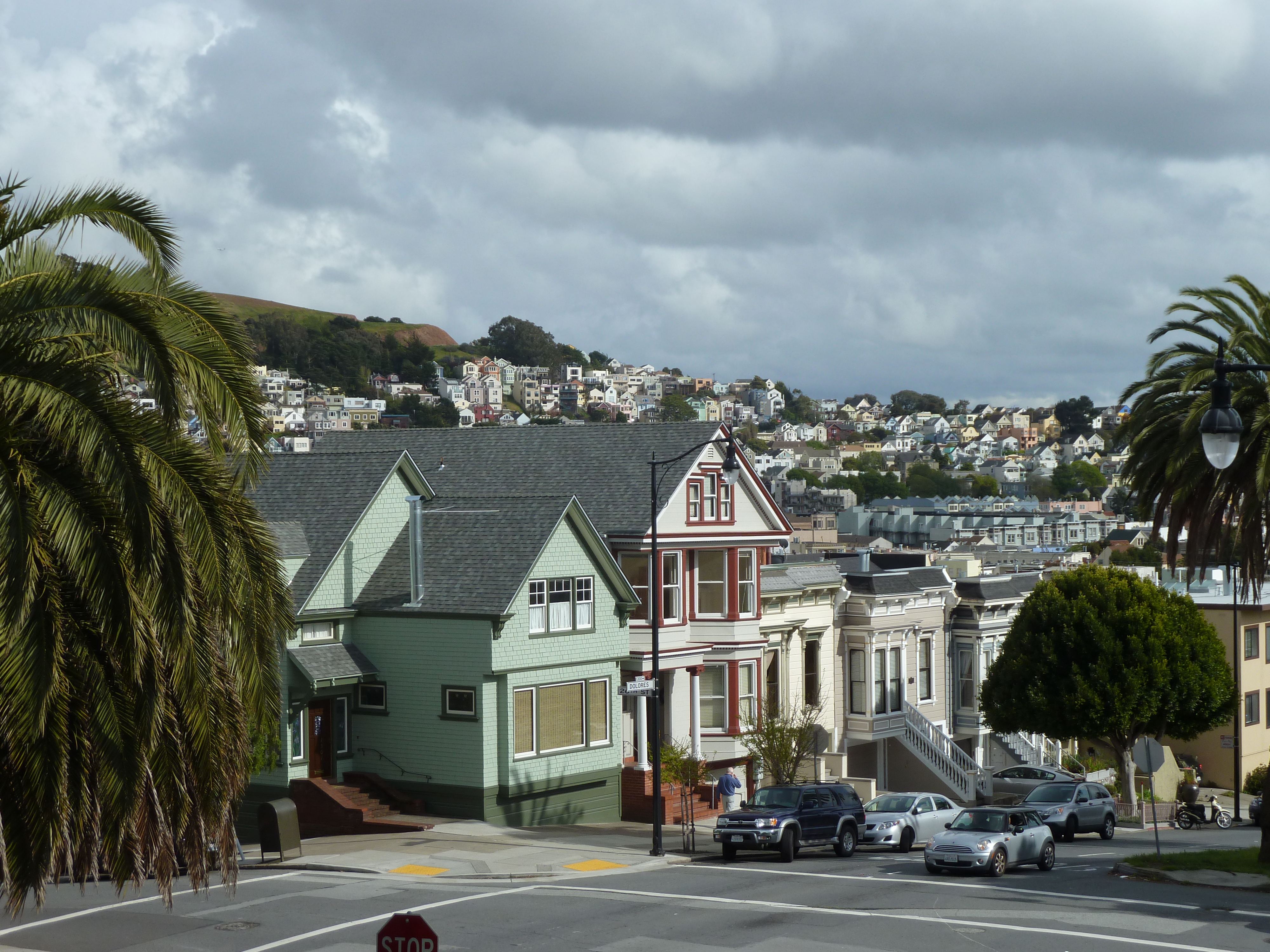
So where is Noe Valley? And what we have let ourselves in for by living there? It sits immediately south of the Castro and east of the Mission in a sunny spot protected from the fog by steep hills on three sides. Its borders are broadly defined as between 20th and 22nd Street to the north, 30th Street to the south, Dolores to the east and Grand View Avenue to the west. Our apartment is on 28th Street between Church and Dolores.

P1010937

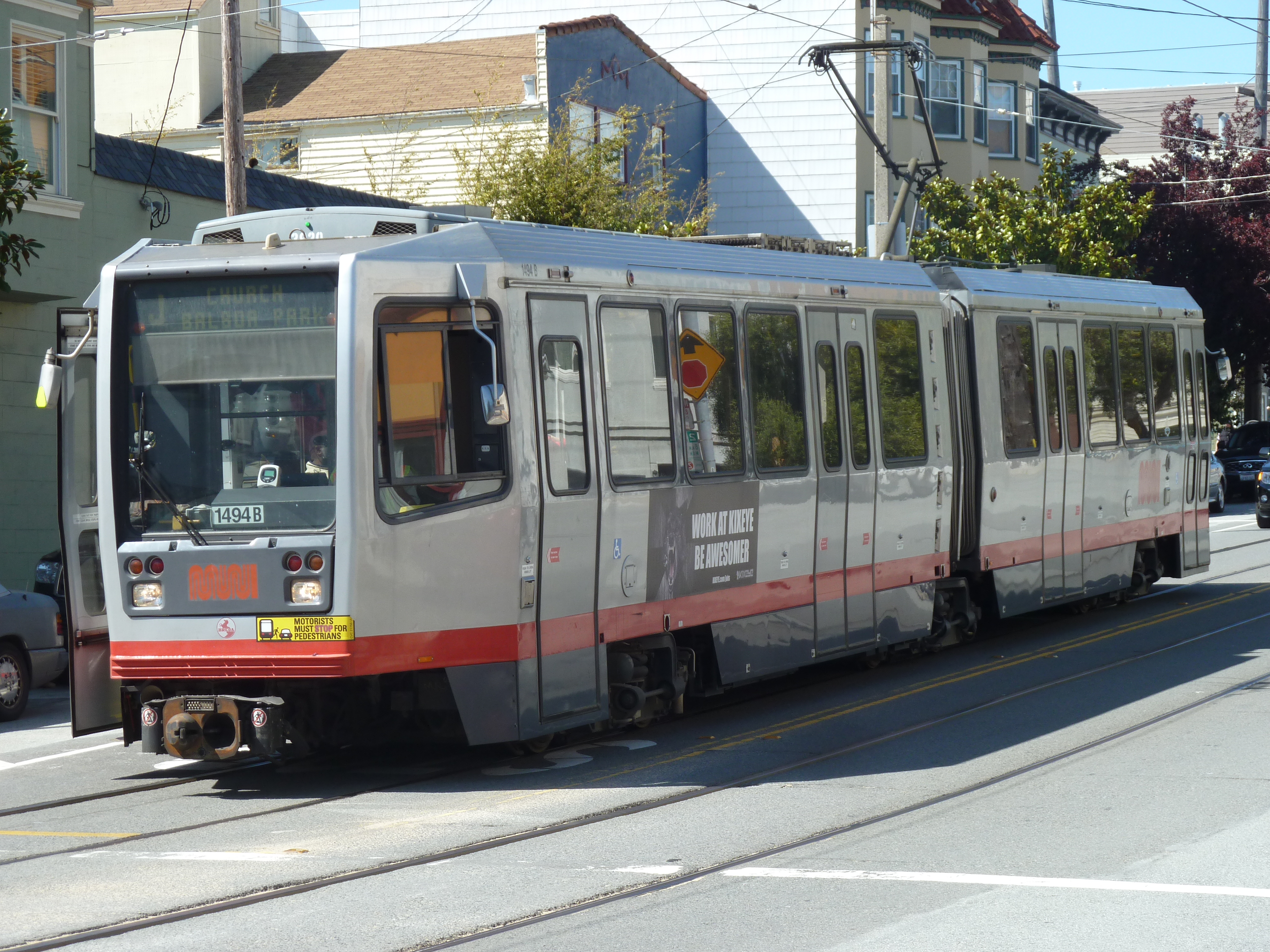
A look at a map of the greater San Francisco area would suggest that it is relatively remote, and it is undeniably off the tourist trail. But public transit and local roads render it easily accessible to downtown and the South Bay respectively. The J Church MUNI Metro line was our constant companion on our previous trip and will be so again, at least for the first half of our stay before we hire a car for the trip to Tahoe.

Noe Valley is a quiet but cosmopolitan residential neighbourhood with a classy small town feel. Its preponderance of comfortable, even affluent, young families has lead to a change in its nickname from the hippie-inspired “Granola Valley” in the seventies to “Stroller Alley” today. But it also attracts couples and singles of all persuasions, notably gay and lesbian migrants from the Castro. A healthy number of artists and writers complete a sophisticated demographic. The population of approximately 21,000 comprises 70% white, 15% Hispanic and 7% Asian, with the remaining 8% coming from all corners of the globe.

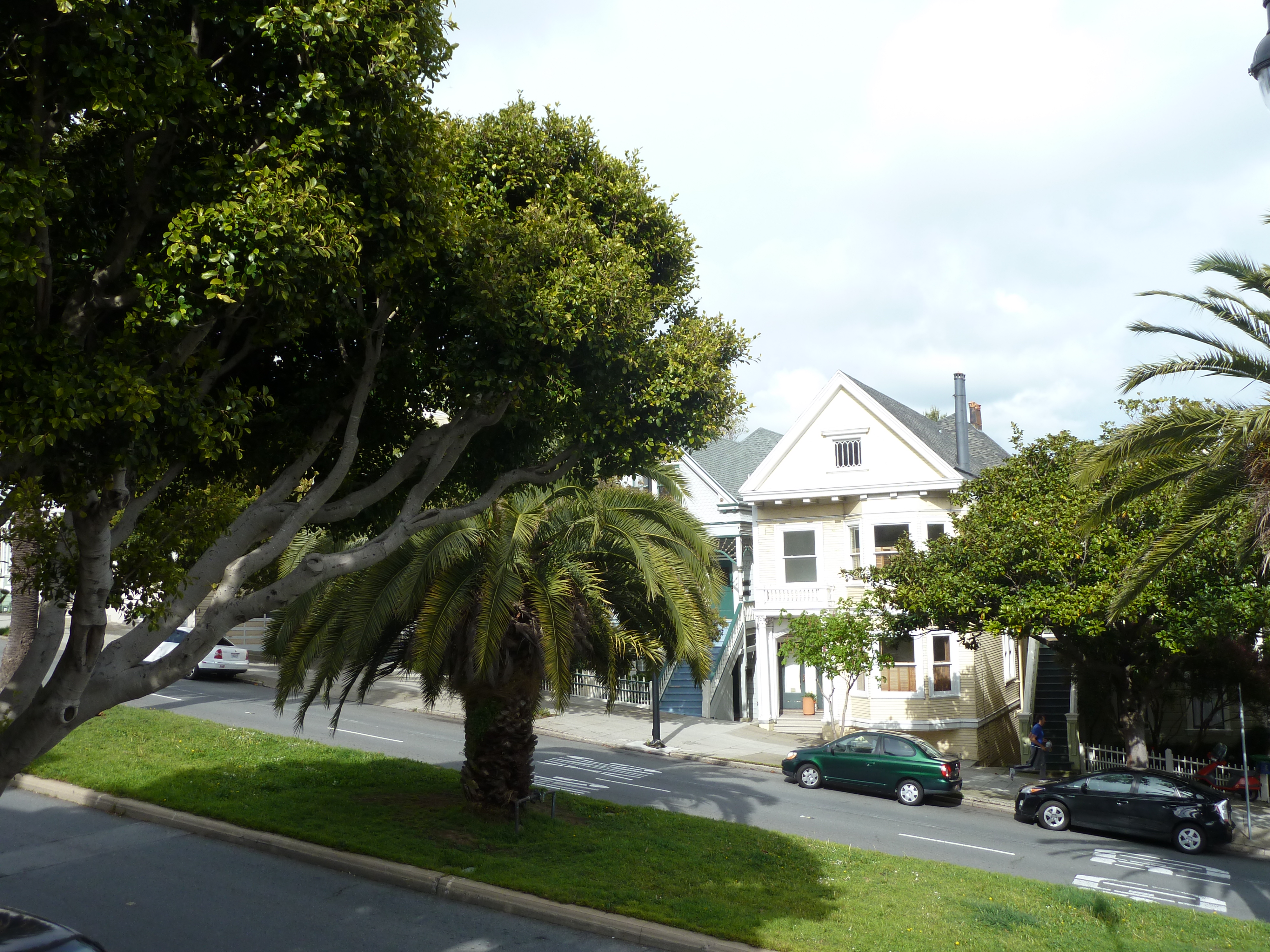
It is blessed with a significant number of classic two storey Victorian and Edwardian homes. Broad streets and brightly coloured exteriors have the writers of guidebooks reaching for words like “cute” and “quaint”. Property prices are inevitably expensive.

P1010901

The neighbourhood gets its name from José de Jésus Noé, the last Mexican alcade (Mayor) of Yerba Buena, the original name for San Francisco. He owned the land as part of his Rancho San Miguel but sold it to John Meirs Horner in 1854. Horner laid out many of the wide streets we enjoy today, and the name “Horner’s Addition” is still used for tax purposes by the city assessor’s office.

The main development of what was traditionally a working class neighbourhood came in the late nineteenth and early twentieth centuries, notably after the 1906 Earthquake and Fire. Today, its interest for outsiders lies essentially in the eclectic shopping and dining experience to be found along the stretches of 24th Street from Castro to Church and Diamond to Dolores. Coffee shops, restaurants, one of a kind clothing and gift stores and bookshops abound, along with one of the best farmers’ markets in the city.

P1020117 (2)

This will be our fourth apartment – the first two were in Hayes Valley and North of the Panhandle (NOPA) – and, as with previous years, our aim is to blend as far as possible into the local community for the duration. With four weeks at our disposal on this occasion, our “live like locals” strategy has more chance of success than in previous years where we have stayed for no more than a fortnight. We are particularly looking forward to hiking up Bernal Heights, Twin Peaks and Buena Vista Park, as well as reacquainting ourselves with the Mission.

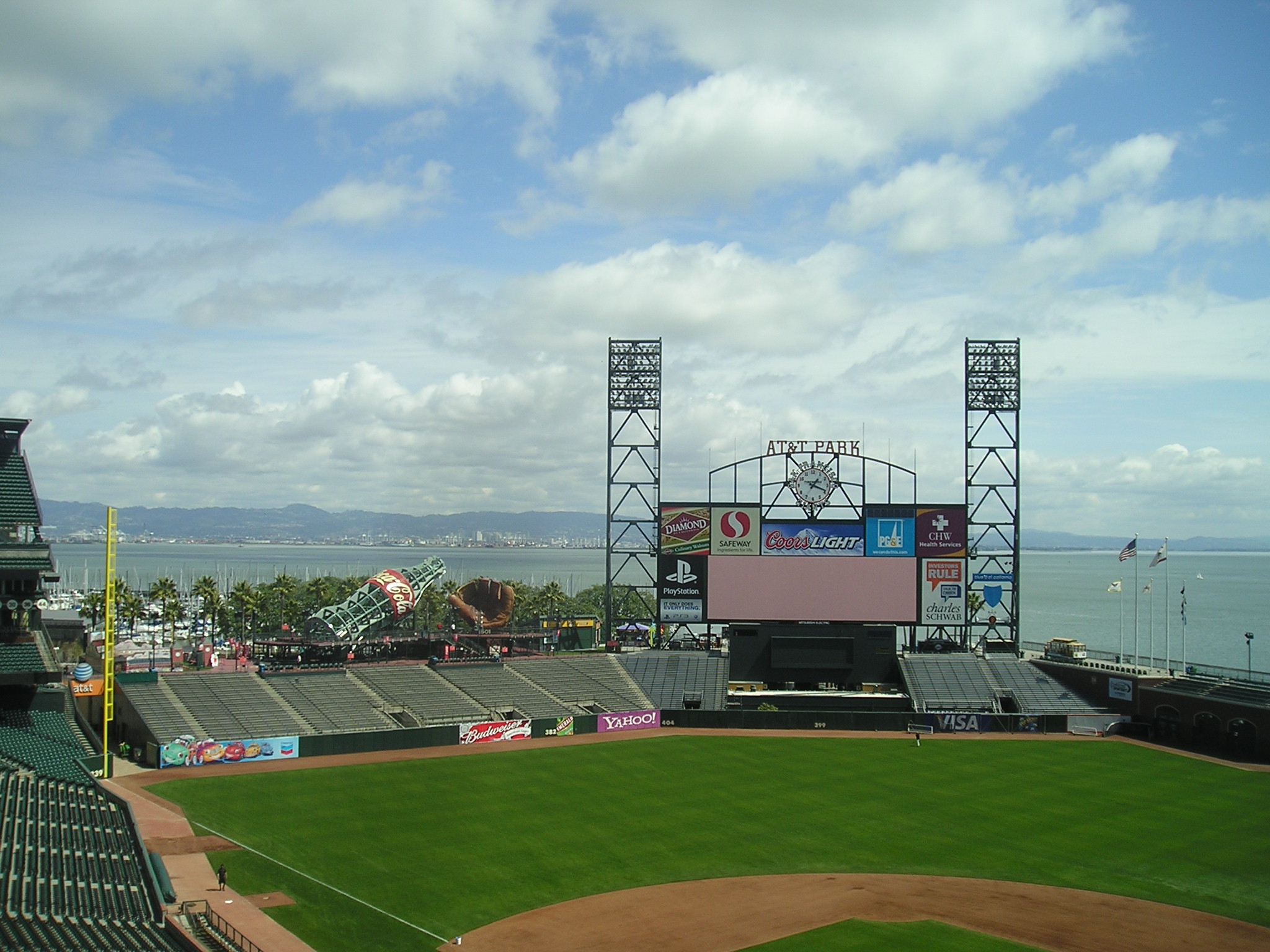
But the extended stay still enables us to satisfy our tourist cravings and revisit the usual suspects such as Golden Gate Bridge, the Palace of Fine Arts, Golden Gate Park , Beach Blanket Babylon and Haight Ashbury, and, of course, three pilgrimages to AT & T Park to support the Giants in their (currently faltering~) hunt for back to back World Series titles. Any trip would not be complete without expanding our understanding of the Bay Area, so Berkeley, the Zoo, Castro Theater and the de Young Museum, all places we have criminally neglected until now, are on our list.

Having always , with the exception of our first visit in October, visited in spring, we will be also be able to throw ourselves into four of San Francisco’s celebrated annual events – the Haight Ashbury Street Fair, North Beach Festival, Stern Grove Festival and San Francisco Pride.

Our last two vacations have coincided with Crosby and Nash and Elvis Costello gigs at the Warfield. This year, we move to the waterfront at Pier 27/29 where we have tickets for the concert being given by the Steve Miller Band and the Doobie Brothers at the America’s Cup Pavilion. And finally, a short detour to Tahoe is also scheduled.

I hadn’t actually realised until I wrote this just how busy we are going to be!

San Francisco – your “wandering one” is coming home again.  


Oddly, it is only relatively recently that I became hooked on baseball.  Perhaps it was the flying rounders (the tame “British” version of the sport) bat that put me as a seven year old in the local hospital, for which I still have the bump on my forehead, which had, subconsciously, spooked me from engaging with the game earlier.

Or maybe it was the ambivalent relationship with American culture that I “enjoyed” until the mid nineties when I took that fateful first trip across the Atlantic.  Baseball epitomised the inferiority of American sport compared to games invented by the English such as association football (soccer) and, especially, cricket with which baseball has much in common.

Despite trips to San Francisco in October 1995 and then the springs of 1999, 2002 (a season which culminated in an unsuccessful World Series appearance for my now adopted San Francisco Giants), 2004 and 2006 a trip to, respectively Candlestick, SBC, Pacific Bell and now AT & T Park never occurred to me. The prodigious exploits of Barry Bonds, both on and off the diamond, relayed on KRON 4 and other Bay Area TV stations were as close as I got, and their features focused as much on his controversial lifestyle as his sporting prowess.

Perhaps the fact that we were never in the city during the regular season, and , therefore, TV coverage was limited to cursory references to spring training, may also have accounted for my indifference.  Put simply, the opportunity to attend a game just wasn’t there.

To be fair, the little I had watched on television at home had intrigued me.  The reason I hadn’t given it a chance was due in no small part to the fact that games lasted up to three hours and were relayed live in the middle of the night.  Even in the comfort of my own home I was denied reasonable access to the sport.

Our first trip to AT & T Park was in March 2008, less than a week away before Opening Day, when we saw an understandably below strength Giants team beaten 7-1 by their neighbours across the bay, the Oakland Athletics (“A’s”).  They greeted our arrival with a mediocre performance in a half empty stadium lacking in any real atmosphere, and played in a bitterly cold wind that we could not escape, wherever we moved.  But we were hooked!

Firstly, the design and setting of the stadium were, of course, beautiful and the facilities outstanding.   Having been brought up to think that the catering, if such a word dignified it, in American sports arenas did not extend beyond hot dogs, popcorn and soda / beer, we were amazed by its range and quality.  There were at least two more converts to Gilroy’s garlic fries in the Bay Area that day!  The celebrated American customer service was prevalent everywhere, and we were struck by how fan friendly the whole experience was.

And then there was the crowd,  Ok, it was only a “pre-season friendly” in soccer parlance, albeit between two bitter local rivals, but there was no segregation, in fact Giants and A’s fans sat together in our section and maintained a barrage of feisty but light hearted banter throughout the afternoon.

But why should I fall for baseball and not american football or basketball?  The affinity with the traditional long form (i.e. 3, 4 or 5 day) of cricket is the best answer I can offer – a game that unfolds slowly but subtly with periodic bursts of excrutiating excitement, a rich literature (no other games have offered more to the English language), a noble history graced with remarkable characters and an obsession with statistics and records (one of the reasons both games captivate and capture for a lifetime the male of the species).   And not forgetting the attractive spectacle of field and “flannelled fools” where pitcher (bowler) and hitter (batsman) test their skills and character on an epic scale.

So I kept a close eye on the Giants’ exploits over the next two seasons, which were modest but promising of future success.  By the time we made our next visit in March 2010 I considered myself a long distance Giants fan.  We took the ballpark tour which was fascinating, and were given the opportunity to sit in the home team’s dugout.  We bought several items of merchandise to take home, including a Tim Lincecum bobblehead that we then contrived to leave in our apartment!

The general consensus seemed to be that the Giants, with their pitching strength in particular, could be more competitive that year.  But few dared to dream then, or even through most of the regular season, of division, league or World Series championships.

Or that, throughout October and the beginning of November, I would be going to bed at home at 8pm in order to rise again at half past midnight, or, on other occasions staying awake until 5am, living every strike, hit, walk and stolen base against the San Diego Padres (in the last regular season games), Atlanta Braves, Philadelphia Phillies and Texas Rangers.  How I enjoyed the rare daytime starts which meant that they were over by midnight UK time!

And I went through the same exhausting ordeal all over again last autumn. But it was worth it!

Sporting a Tim Lincecum t-shirt, kept company by a Pablo Sandoval soft toy and with a bottle of Jack Daniel’s by my side, I too endured the “torture” and ultimate glory of those Giants’ play off campaigns.

We finally made our first MLB games last year with the early season visits of the Pittsburgh Pirates and Phillies, with Barry Zito and Tim Lincecum pitching. The outcomes mirrored the fortunes of the two pitchers over the past twelve months, with Zito spearheading a walk-off 1-0 victory whilst the ailing Lincecum pitched erratically in a narrow defeat. I have written about the experience in another blog post: http://www.tonyquarrington.wordpress.com/2012/05/09/in-the-land-of-the-giants-and-garlic-fries/

Next month I will be back at AT & T Park for games against the Toronto Blue Jays, San Diego Padres and Miami Marlins and I can’t wait!

Go Giants!


How would you feel if you walked into a restaurant this evening and were immediately greeted by the head waiter admonishing you in a broken English Chinese accent to “sit down and shut up”, then ignoring you completely or, if you were lucky, hurling the menu at you?  Oh, and don’t make the mistake of requesting an English translation of that menu if you want to avoid a further volley of vitriol. And if you are a woman, or have women in your party, keep a close eye on that waiter because he is prone to grope female customers (the only time he is likely to crack into a smile).

So how would you react?  Walk out?  Ask to speak to the manager?  Post an adverse review on TripAdvisor?  Sue the restaurant?  Punch the waiter’s lights out?

Well, that is likely to have been your experience had you visited the Sam Wo restaurant on Washington Street, between Grant Avenue and Waverly Place, in Chinatown during the decades following the second world war.  And it is equally likely that you may have chosen to dine there in the express hope that you would be on the receiving end of such appalling service.  Indeed, being insulted at Sam Wo became as much a “must do” San Francisco experience as drinking Irish coffee at the Buena Vista Café or driving across the Golden Gate Bridge.

Your tormentor would have been Edsel Ford Fong, the “world’s rudest waiter”, who, in the words of Stephen Jay Hansen in his excellent The Other Guide to San Francisco – or 105 Things to Do After You’ve Taken a Cable Car to Fisherman’s Wharf, “baits and berates male customers and shamelessly hustles every woman who enters his domain.  He’ll throw you a load of chopsticks with a brusque “Dry!” or spirit away your date to help him wait on tables.  He’s a refreshingly irreverent wit and an absolutely crazed madman”.

It’s No. 58 by the way (of the things to do that is, not a dish on the menu).

Fong, who was born in Chinatown on 6th May 1927, was an imposing figure measuring six foot and weighing 200 pounds, sporting a severe crew cut hairstyle and wearing both a long apron and permanent scowl.  He exploited his reputation brazenly, criticising customers’ menu choices, getting orders wrong (deliberately?), slamming food on the table and spilling it over the customers, refusing to provide knives and forks as alternatives to chopsticks, removing plates before the customer had finished eating, and reacting angrily to tips that didn’t exceed 15% (surely such an entertainer has a right to expect more?!). Unsuspecting white tourists were particularly fair game for his most patronising and scurrilous comments.

Herb Caen, the celebrated San Francisco Chronicle columnist, was a regular patron of Sam Wo and an amused advocate of Fong, repeating Edsel’s finest insults from the night before in the next morning’s edition of the newspaper.  Fong would respond by proudly waving it at anyone in the restaurant who was interested or wan’t, it was all the same to him.

He died in April 1984 but his legacy lives on in many ways, not least in the occasionally churlish service still prevalent at Sam Wo today, though it lacks the panache brought to it by Fong.  A series of club-level Asian food stands at AT& T Park are named after him, and his status in the community has been visually commemorated in his inclusion in the 200 foot long, 7 foot tall “Gold Mountain” mural depicting Chinese contributions to US history, painted on the side of an apartment building in Romolo Place near the intersection of Broadway and Columbus in North Beach.

Fong also appears in  Tales of the City by Armistead Maupin and was played by Arsenio “Sonny Trinidad” in the ensuing miniseries.

I’ll finish with an excerpt from the book where our heroine, naive Mary Ann Singleton still fresh out of Cleveland, and taken to Sam Wo’s by bumbling private investigator, Norman Neal Williams, bears the brunt of Fong’s ire:

“Hey, lady! Go wash yo’ hands!’

Thunderstruck, she turned to see where the voice had come from. An indignant Chinese waiter was unloading plates of noodles from the dumbwaiter. She stopped in her tracks, stared at her accuser, then looked back towards the rest room.

The sink was outside the door. In the dining room.

A dozen diners were watching her, smirking at her discomfort. The waiter stood his ground. ‘Wash, lady. You don’t wash, you don’t eat!’

She washed, returning red-faced to the table. Norman grinned sheepishly. ‘I should have warned you’.

‘You knew he would do that?’

He specializes in being rude. It’s a joke. War lord-turned-waiter. People come here for it.’

‘Well, I didn’t’”.


As children, we develop strong affinities with certain characters from the books we read, sometimes because we can relate to their experiences, but more often because they fire our young imaginations. For me, it started, understandably, with Alice, Pooh and the Famous Five, but, in my teenage years, I graduated onto Hamlet, Pip, Elizabeth Bennett, Heathcliff, Leopold Bloom, Huck Finn and many others.

But it was later in life, when I discovered the Tales of the City series of books by Armistead Maupin, that I met the most attractive and extraordinary character of them all – Anna Madrigal, the green fingered-transgender landlady of the “crumbling, ivy-entwined relic” called  28 Barbary Lane on Russian Hill in San Francisco.  Her courage, warmth and humour (and taping of joints onto new tenants’ doors) have inspired and delighted in equal measure ever since.
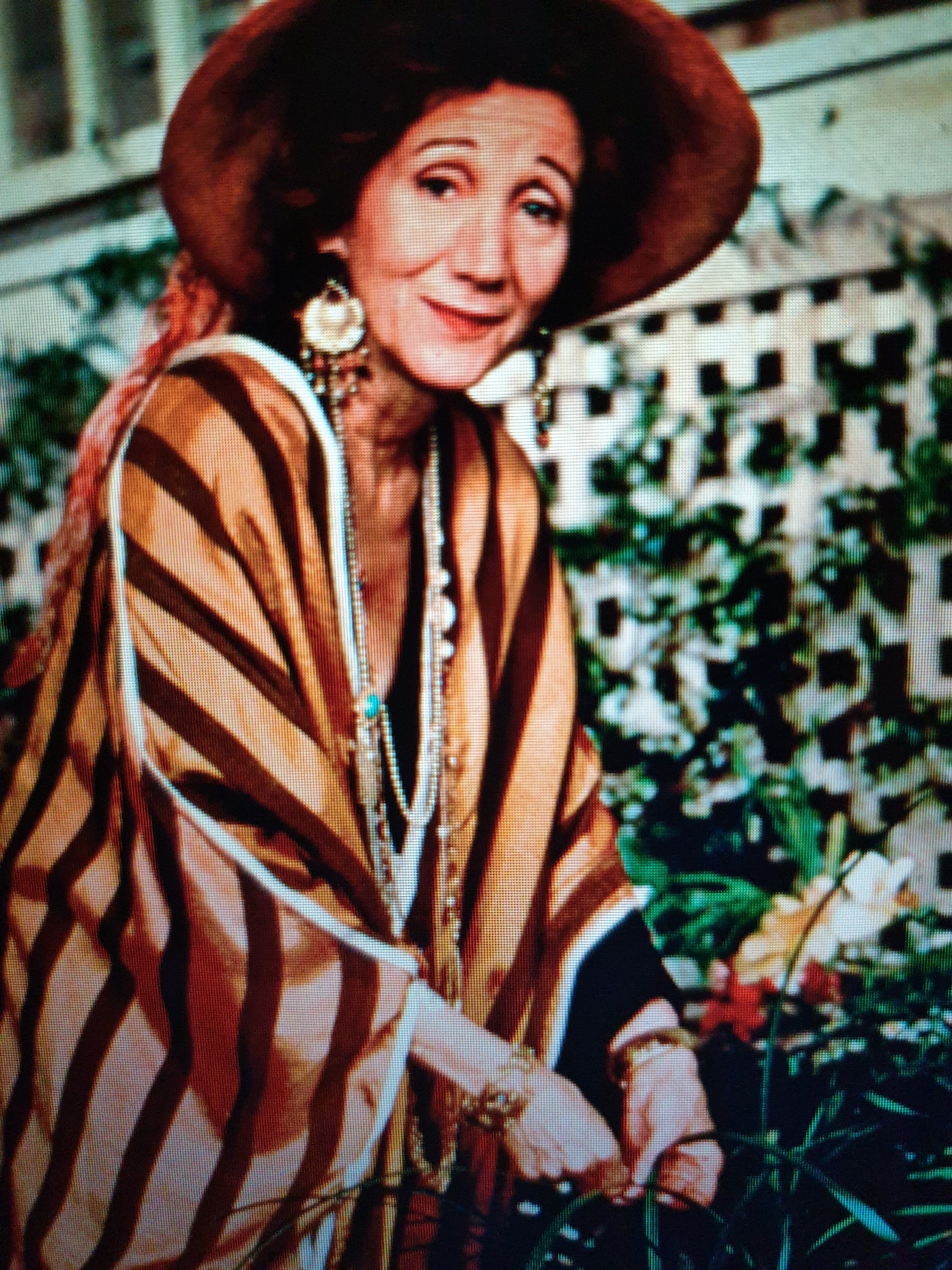
The stakes were high, therefore, when I first saw the Channel 4 TV series. Could any actress possibly play this woman? I was surely destined to be disappointed.

I needn’t have worried. The glorious Olympia Dukakis, due to be awarded with her Hollywood Walk of Fame star as I write this, was born to play her.

With the ninth book of the series, The Days of Anna Madrigal, scheduled for release later this year, it seems a good time to ponder some of the most memorable statements from the great lady. Here goes:
 

1

Mrs Madrigal smiled. There was something a little careworn about her face, but she was really quite lovely, Mary Ann decided. ‘Do you have any objection to pets?’ asked the new tenant.

‘Dear……I have no objection to anything’.


2

‘Help yourself to a joint, dear, and don’t bother to pass it around. I loathe that soggy communal business. I mean, if you’re going to be degenerate, you might as well be a lady about it, don’t you think?’

3

Mine’s (her favourite year) 1987,’ said Mrs Madrigal. ‘I’ll be sixty-five or so….I can collect social security and stash away enough cash to buy a small Greek island.’ She twirled a lock of hair around her forefinger and smiled faintly. ‘Actually, I’d settle for a small Greek.’

4

He felt a surge of recklessness. ‘What would you say?’

‘About what?’

‘The end. Your last words. If you could choose.’

The woman studied his face for a moment. Then she said: ‘ How about…”Oh, shit!”‘

5

‘Some people drink to forget,’ said Mrs Madrigal, basking in the sun of her courtyard. ‘Personally, I smoke to remember.’

6

‘How can Anna Madrigal be an anagram for Andy Ramsey?’

‘It’s not.’

‘But you said….’

‘I said it was an anagram. I didn’t say what for.’

‘Then what is it?’

‘My dear boy,’ said the landlady, lighting a joint at last, ‘you are talking to a Woman of Mystery!’

7

‘Oh Mona, we’re all damned fools! Some of us just have more fun with it than others. Loosen up, dear! Don’t be so afraid to cry…or laugh, for that matter. Laugh all you want and cry all you want and whistle at pretty men in the street and to hell with anybody who thinks you’re a damned fool!’ She lifted the wineglass in a toast to the younger woman. ‘I love you dear. And that makes you free to do anything.’

8

‘I can’t trust you.’

‘Yes, you can. I was a weasel of a man, but I’m one helluva nice woman.’

9

‘Girl? gasped Mona.’ ‘You’re a woman!’

Mrs Madrigal shook her head. ‘You’re a woman, dear. I’m a girl. And proud of it.’

Mona smiled. ‘My own goddamn father…a sexist!

‘My darling daughter,’ said Mrs Madrigal, ‘transsexuals can never  be sexists!’

‘Then…you’re a transsexist!’

The landlady leaned over and kissed Mona on the cheek. ‘Forgive me, won’t you? I’m terribly old-fashioned.’

10

She was sixty now, for heaven’s sake……Sixty. Up close, the number was not nearly so foreboding as it had once been afar. It had a kind of plump symmetry to it in fact, like a ripe Gouda or a comfy old hassock.

She chuckled at her own similes. Is that what she had come to? An old cheese? A piece of furniture?

She didn’t care, really. She was Anna Madrigal, a self-made woman, and there was no one else in the world exactly like her.

11

She tugged his earlobe affectionately. ‘I want what’s best for my children.’

A long pause, and then: ‘I didn’t know I was still part of the family.’

The landlady chuckled. ‘Listen, dear…when you get this old lady, you get her for life.’

12

The landlady knelt and plucked a weed from the garden. ‘ Sounds to me like you’re matchmaking. I thought that was my job around here.’

Mary Ann giggled. ‘If I find anybody good for him, I’ll make sure you approve first.’

‘You do that,’ said Mrs Madrigal.

13

Mrs Madrigal took it all in stride, but drew a deep breath when Mary Ann had finished.

‘Well, I must say….you’ve outdone yourself this time.’

Mary Ann ducked her eyes. ‘Do you think I was wrong?’

‘You know better than that.’

‘What?’

‘I don’t do absolutions, dear.’ She reached for Mary Ann’s hand and squeezed it. ‘But I’m glad you told me.’

14

‘Hey,’ he blurted, ‘you should grow your fingernails long.’

Now on her hands and knees, Mrs Madrigal looked up at him. ‘Why is that, dear?’

‘You know, like those housewives in Humboldt County. Works much better than tweezers, they say.’

She handled this clumsy inanity with her usual grace.

‘Ah yes, I see what you mean.’ Falling silent again, she searched until she found the tweezers, then stood up and brushed her hands on her skirt. ‘I tried that once….growing my nails long.’ She caught her breath and shook her head. ‘I wasn’t man enough for it.’

The last time we saw Anna was at the end of Mary Ann in Autumn – a frail old lady who cannot trust herself to pour a cup of coffee, a stroke survivor who puffs (admittedly “demurely”) on nothing more risqué than a vaporizer. But she still plays girlishly with her wayward hair and wears garish kimonos, and  is able to dispense sage advice to her “family”.

I almost hesitate to open that next book when it arrives.


Ask any visitor to San Francisco what was the most distinctive local foodstuff they tasted during their stay and they are likely to reply “sourdough bread”.  They may not have liked it because it is an acquired taste, but they will  certainly have tried it, if only in the form of a bowl containing clam chowder or, for the more adventurous, the Bread Bowl Scrambler of eggs, bacon, cheddar, onions and bell peppers.

Isidore Boudin (pronounced “boo-Deen), member of a French immigrant family of master bakers from Burgundy, founded the bakery, making the “Original San Francisco Sourdough Bread” in 1849 at the height of the Gold Rush.  It remains one of the oldest businesses in the city and still bears his name, despite having been, for much of the last 70 years, in the ownership of the Giraudo family.

P1000391

The original bakery, a tiny olde world affair, stood at 319 Dupont Street (now Grant Avenuein what was a raucous North Beach district during the Gold Rush.  Its unique flavour comes from a wild yeast that is found only in  San Francisco’s foggy climate, making it a truly local product.  Indeed, in 1970, a Federal study isolated a previously unidentified microorganism named “Lactobacillus Sanfrancisco”, proving, as Jay Hansen claimed in his book, The Other Guide to San Francisco, that “you can take the sourdough out of San Francisco, but you can’t take the San Francisco out of the sourdough”. This would account for the fact that, although sourdough is becoming increasingly accessible in Farmer’s Markets in the UK, it tastes nothing like the “real thing”.

Boudin perfected his recipe by combining his family’s traditional French baking methods with the “sour” or tangy dough taste beloved of the gold miners, to produce, in the company’s words, the “signature dark-gold, crunchy crust, soft chewy center and distinctive flavor”.

His secret lay in using the “mother dough” as a natural starter and allowing the bread to rise and “sour” at its own speed.  Even when caked yeast became the industry norm, he continued to use his slow method of leavening the bread with the mother dough.

When he died in 1887, his wife of 14 years, Louise, with the support of their four children, especially daughter Lucie, ran the business successfully for 23 years, moving twice, in 1890 to 815 Broadway and then in 1906 to its present 10th Avenue and Geary Boulevard location in the Inner Richmond district.

Louise’s greatest triumph was in rescuing the mother dough during the 1906 Earthquake and Fire by mobilising the family to carry it in buckets of ice to Golden Gate Park where they baked bread over open fires.  This ensured that they always kept a portion of the mother dough to mix for the next day’s bread. A formidable woman, she earned the title of the “social leader of the French colony”.e starter-yeast-bacteria culture that Isidore developed back in the 1840s.  At the start of the mixing process, a piece of the mother dough is combined with flour, water and salt, divided into batches and shaped into loaves, which are refrigerated for 24 hours.  The loaves are placed in a proof – or steam – box to rise.  They are then scored, or slit, and baked in a 400 degree oven.

Despite the advent of mechanisation and modern baking methods, the company has steadfastly refused to use fats, sugars, preservatives, or dough conditioners, insisting that only natural ingredients be used.

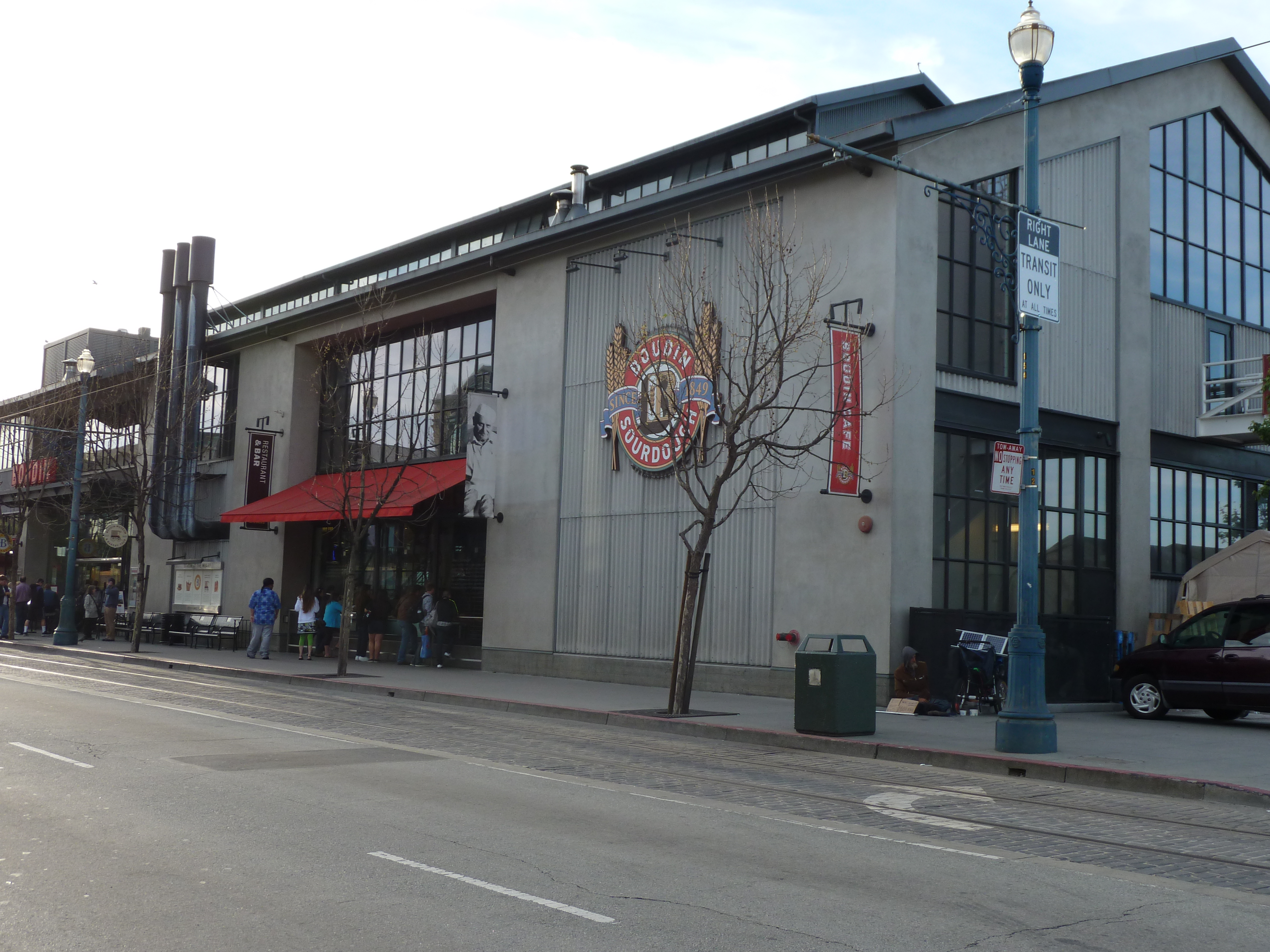
Recent visitors will be familiar with the half  block long flagship store on Jefferson Street on Fisherman’s Wharf  which opened in 2005.  Within its  26,000 square feet of space are an espresso bar, bistro, full service restaurant and private dining room, Bakers Hall market, museum and 5,000 foot demonstration bakery where the dough is mixed on a platform 20 feet above the ground floor, then tossed to the bakers below.   Passers-by are able to watch this spectacle through the 30 foot observation window fronting the bakery or, more excitingly, from a catwalk suspended directly over the bakery. Nearly 3,000 loaves are produced daily for sale in the adjoining café and shop.

P1000390

The museum upstairs chronicles the history of sourdough bread on a 28 foot timelinefocusing on the history of San Francisco through the eyes of bakers. Numerous artefacts associated with the baking process are also on display, including an antique baking wagon used to deliver bread, a replica of Louise’s desk and a carving of the founder himself.

In total, around 20,000 loaves are sold every day in the San Francisco area.  In addition to the 20 different flavours used, loaves are sculpted into numerous exotic shapes on request, including crabs, turtles, alligators, turkeys, pumpkins, shamrocks, snowmen and cable cars.  Boudin now has around 30 other bakeries in California, including one at  at Disney’s California Adventure Park which includes the hour long attraction The Bakery Tour.

I intimated at the beginning of this piece that the “Original San Francisco Sourdough Bread” is an acquired taste.  In 1990 city residents voted Boudin their favourite San Francisco bread.  Herb Caen claimed in the San Francisco Chronicle that “Fresh cracked crab with Boudin’s round “dark bake” sourdough and a well-chilled bottle of California Chardonnay is still the quintessential S.F. meal”.

Well, I’d like to raise a glass to that and say both “Merci” and “Santé” to Monsieur  Boudin!


Next time your cable car teeters tantalisingly on the intersection of Powell and California, hop off and take the short uphill hike to Nob Hill, so named for the grand edifices built and once occupied by the wealthy railroad barons and other nineteenth century entrepreneurs. It is still home to some of the most prime real estate in the city.

P1010954

Fairmont Hotel – survived the 1906 Earthquake and Fire and

hosted the signing of the UN Charter in 1945

P1010946

Lobby of the Fairmont Hotel 

P1010950

Majestic Grace Cathedral – home to two labyrinths, glorious

gilded bronze doors and fine stained glass windows

P1010970

California Street cable car – quieter than the Powell-Hyde and

Powell-Mason lines – but no less fun!

P1010942

The Bay Bridge complements the buildings that frame it

P1010962

One of the many fine murals in the Grace Cathedral

depicts the 1906 Earthquake and Fire

P1010956

Serene Huntington Park  watched over by

the Grace Cathedral

P1010969

Mark-Hopkins Inter-Continental Hotel – the glass-walled bar on its 19th 

 floor known as the “Top of the Mark” provides one of the great views of the city


Last year my wife and I rented an apartment in the San Francisco neighbourhood of Noe Valley, bordered to the north by the Castro and the Mission, and Bernal Heights and Twin Peaks to the east and west respectively. We only spent a week there, much of which was spent elsewhere in the city, but enjoyed the atmosphere so much that we are staying there for the whole of the month of June this year.

Here are a handful of the photos I took of the district. I hope to do much better this year!

P1010917

The view from our apartment on Dolores Street looking towards Bernal Heights

P1010901

It may be a valley but there are still plenty of hills! It’s still San Francisco!

P1010903

Oh to be able to afford something like this!

P1010937

Overlooked by Twin Peaks

P1020033

The faithful J Church MUNI Metro

P1020117 (2)

Leafy, civilised 24th Street for all your shopping needs

P1010916Another view from the apartment

P1010888

Classy, colourful (and expensive!) homes

P1020118

Eclectic 24th Street 


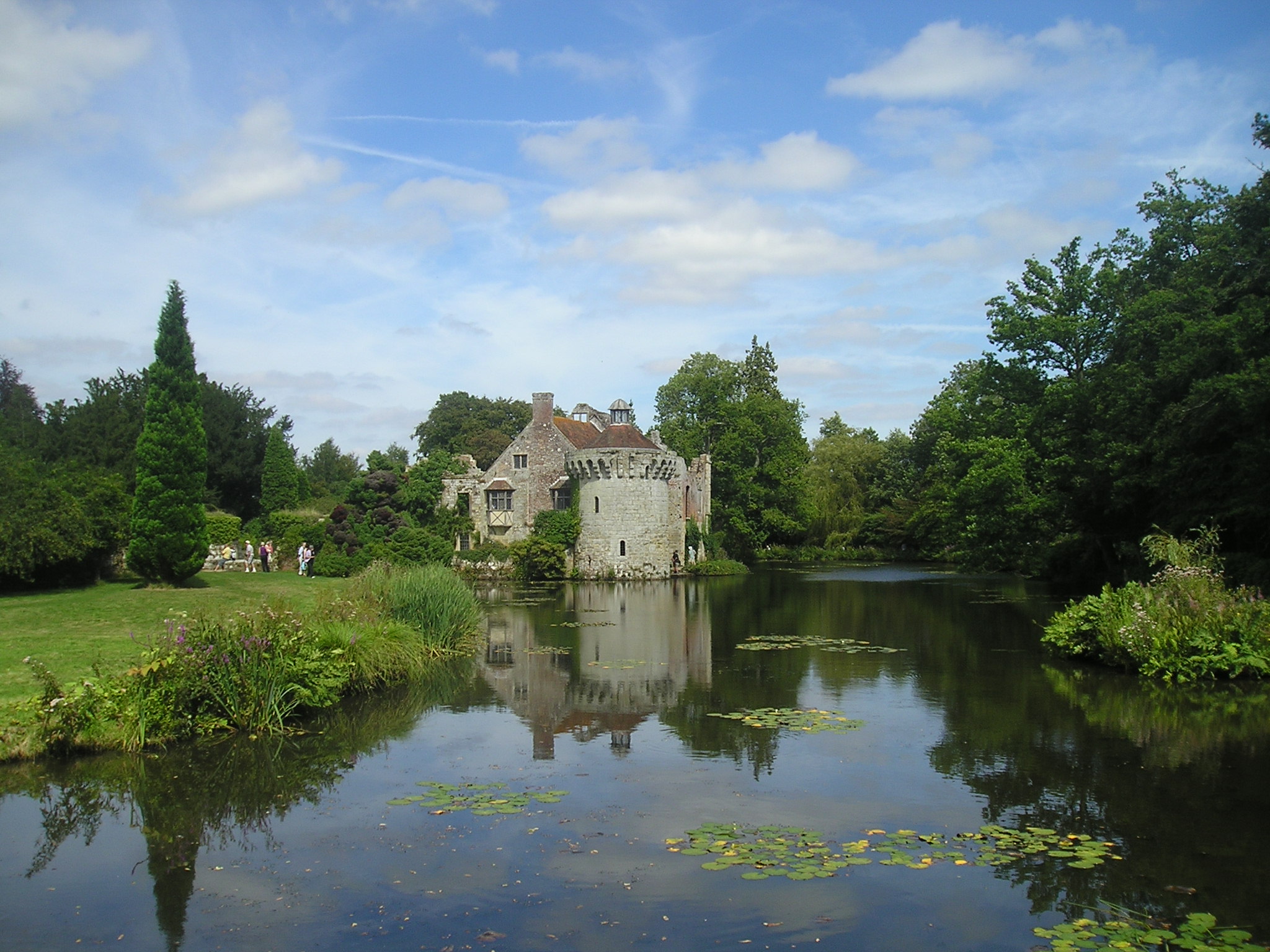
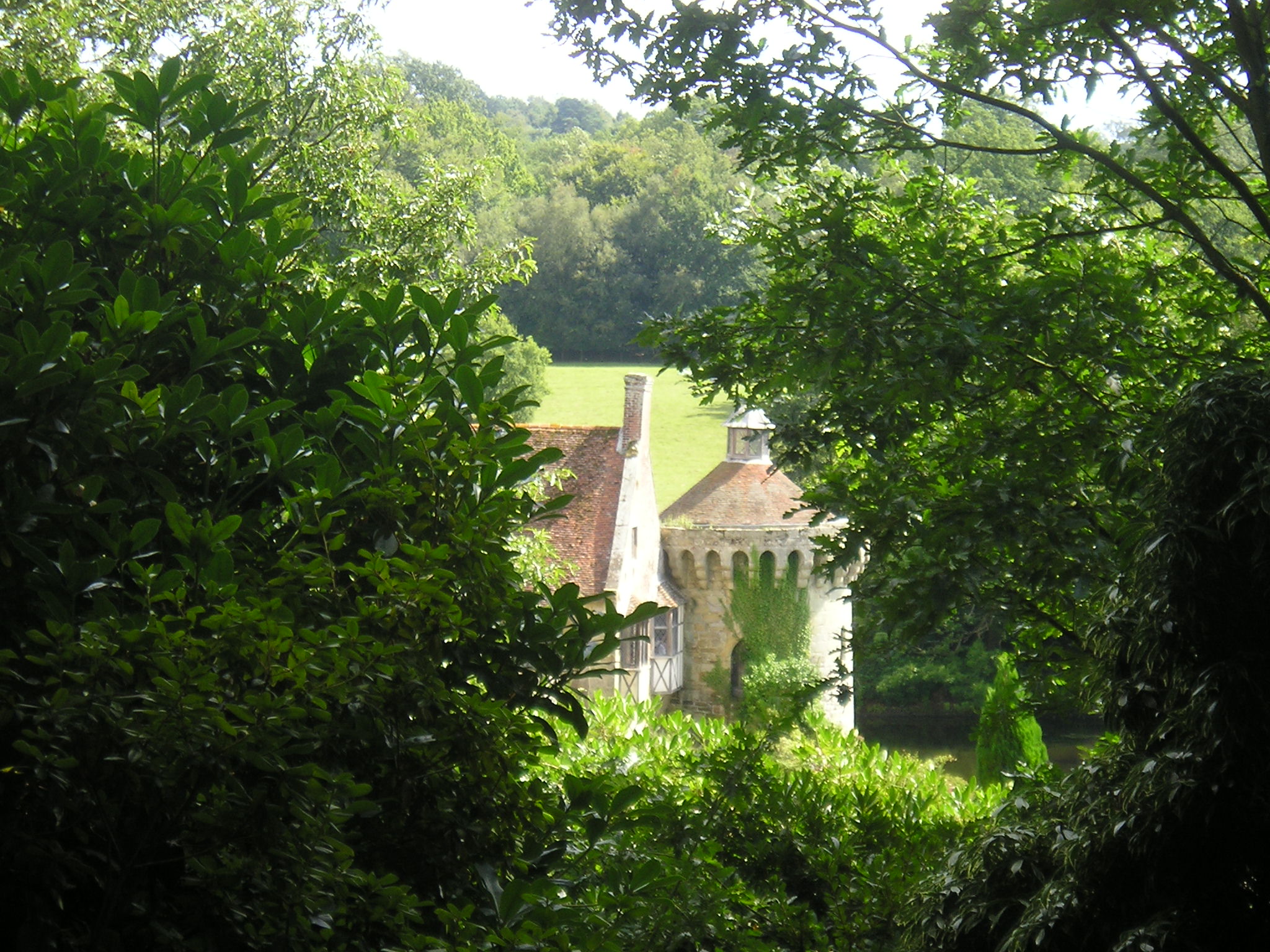
My home county of Kent has some of the finest castles and country houses in Britain. But my personal favourite is Scotney Castle near Lamberhurst on the Sussex border, a privately owned property for more than 600 years before it was bequeathed to the National Trust in 1970. The moated manor house’s ruins, with the small, lily-pad strewn lake caressing its walls, are the epitome of English romanticism.

I hope you agree.

OLYMPUS DIGITAL CAMERA

OLYMPUS DIGITAL CAMERA

OLYMPUS DIGITAL CAMERA

OLYMPUS DIGITAL CAMERA

OLYMPUS DIGITAL CAMERA

OLYMPUS DIGITAL CAMERA