I was recently asked by a local magazine a series of questions about my poetry, its provenance and future plans. This is a transcript of the “interview”.
Can you remember your earliest interaction with poetry?
I suppose, like most children, nursery rhymes would have been the first poems that I engaged with. And then, as I progressed through primary and grammar school, I was exposed to Shakespeare, Wordsworth and the “classic” English poets.
When did you realise that you not only had the talent and skill to be a successful poet but that you wanted to pursue a career in poetry?
That is making a big assumption! But, like most adolescent boys, I wrote soppy “love” poetry that, fortunately, has not survived!
To readers who may not have heard you before, how would you describe your poetry?
I subscribe to Leonardo da Vinci’s claim that “simplicty is the greatest sophistication”, so don’t try to over cook the imagery or make the poems too wordy and obscure. I still, on occasions, like to use rhyme and traditional metre, whereas so much of modern poetry is now free verse (which I also do). If there is one goal I try to obtain in an individual poem, it is the creation of a mood, at atmosphere – show not tell I suppose.
If you could pick the three most memorable moments in your career, what would they be and why?
I did write a three volume “novel” at the age of seven based upon the Tommy Steele song, “Little White Bull”. I am equally proud of the book on Kent cricket I co-wrote ten years ago which was very well received. But, aside from the adolescent stuff, it is only really since I retired from work and moved to Folkestone that I was inspired to write poetry regularly. There was a significant increase in my output during the first Covid-19 lockdown when I was producing a poem a day for several months. Some of those verses feature in my collection, Tickled by the Turning Tide: The Folkestone Poems, which was published only a week ago on 7th April.
You are both stranded on a desert island and can only take one book with you, what book are you choosing and why?
As with the radio programme, I am assuming that I can take a complete works of Shakespeare as well? That is an almost impossible question to answer, and my view might change, dependent upon my mood on a particular day. But I will say – today – Ulysses by James Joyce for its radical approach to the novel but especially its humour and evocation of a place (as my Folkestone poetry testifies, it is a sense of place that often appeals to me).
What do you enjoy most about living in Folkestone and do you have any particular favourite go-to spots in the town?
How long is this piece meant to be?! Being by the sea, with all its benefits, has to be the most important factor, though Folkestone’s creative vibe has helped inspire my own work. And then there is the dining scene – one of my poems is entitled I Sit in Coffee Shops, and that pretty much sums up my everyday life! I could recommend so many places, but Marley’s, Django’s, Folklore (where I had my recent book launch) and Steep Street Coffee House are probably my top four, though there are several others that meet different needs at different times.
Has living in Folkestone and being by to the sea helped inspire any of your poems?
Clearly!
Given the past 36 months and the evolving digital world, what are your thoughts on the current status of poetry, will it still have a future in say 40, 50 years’ time and will it need to adapt to survive?
Judging by the growing attendances at the local Poets’ Corner, Folkestone group, the town’s poetry scene seems to be thriving. Whilst I found that Covid gave my poetry a significant boost, providing me with a mechanism by which I could come to terms with what was happening, I know that others were completely floored and could, or wanted, not to write anything. I believe we have now moved out of that depression and many, maybe even more, people are writing again. Poetry has been with us for thousands of years, and I expect it to continue to have a role in attempting to make sense of the world and articulating it in a thought-provoking and – important for these days – manageable way.
Do you have any upcoming books that readers should look out for?
I have already mentioned the Folkestone poetry book, which is available online through all the major retailers and also being sold on my behalf in a several outlets throughout the town. The best way at present to get your hands on a copy – and a signed one at that – is direct from me by messaging me on my Facebook pages or email at tonyquarrington@msn.com.
Do you have a future vision of what you would like to achieve over the next 5-10 years?
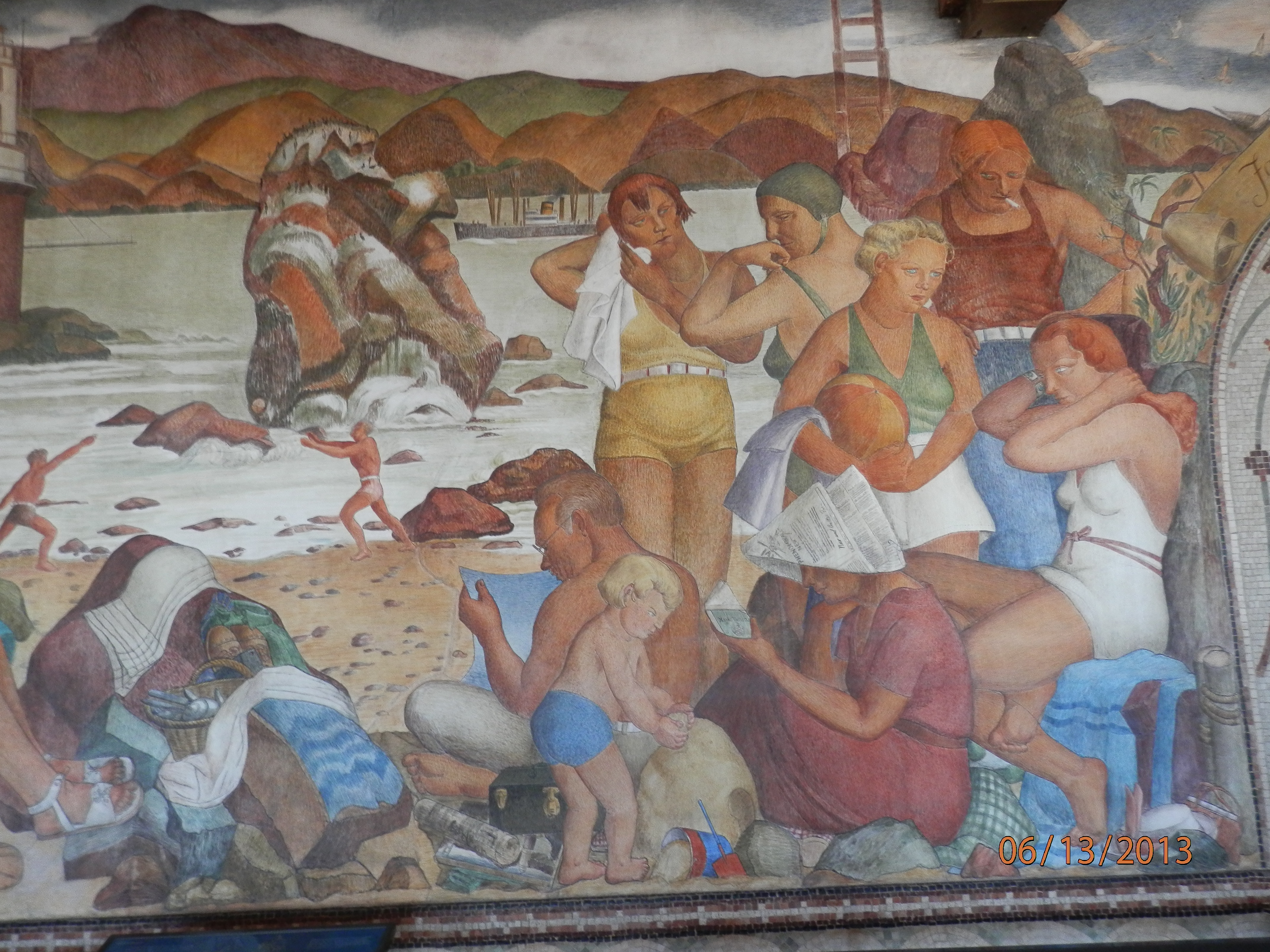
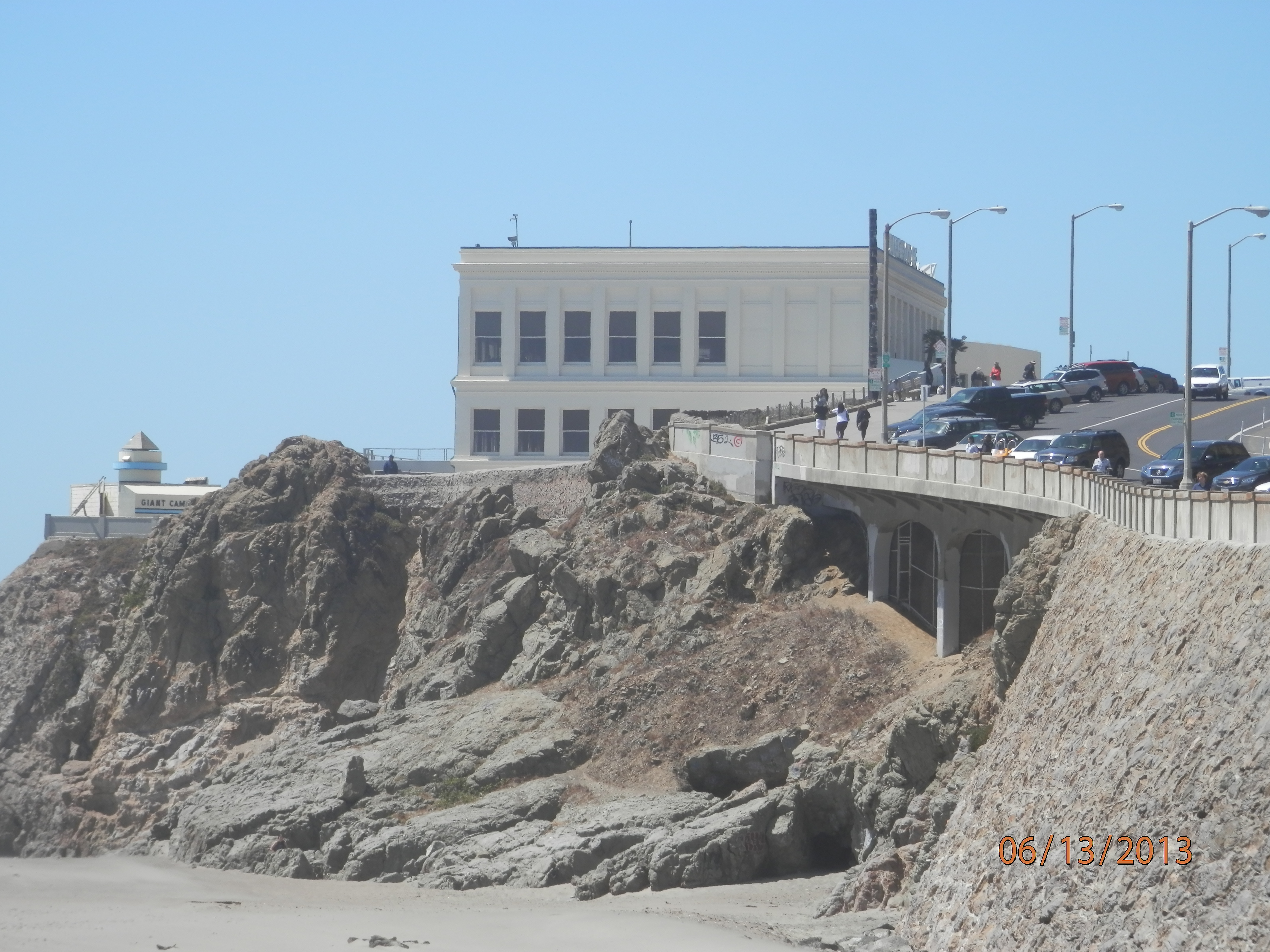
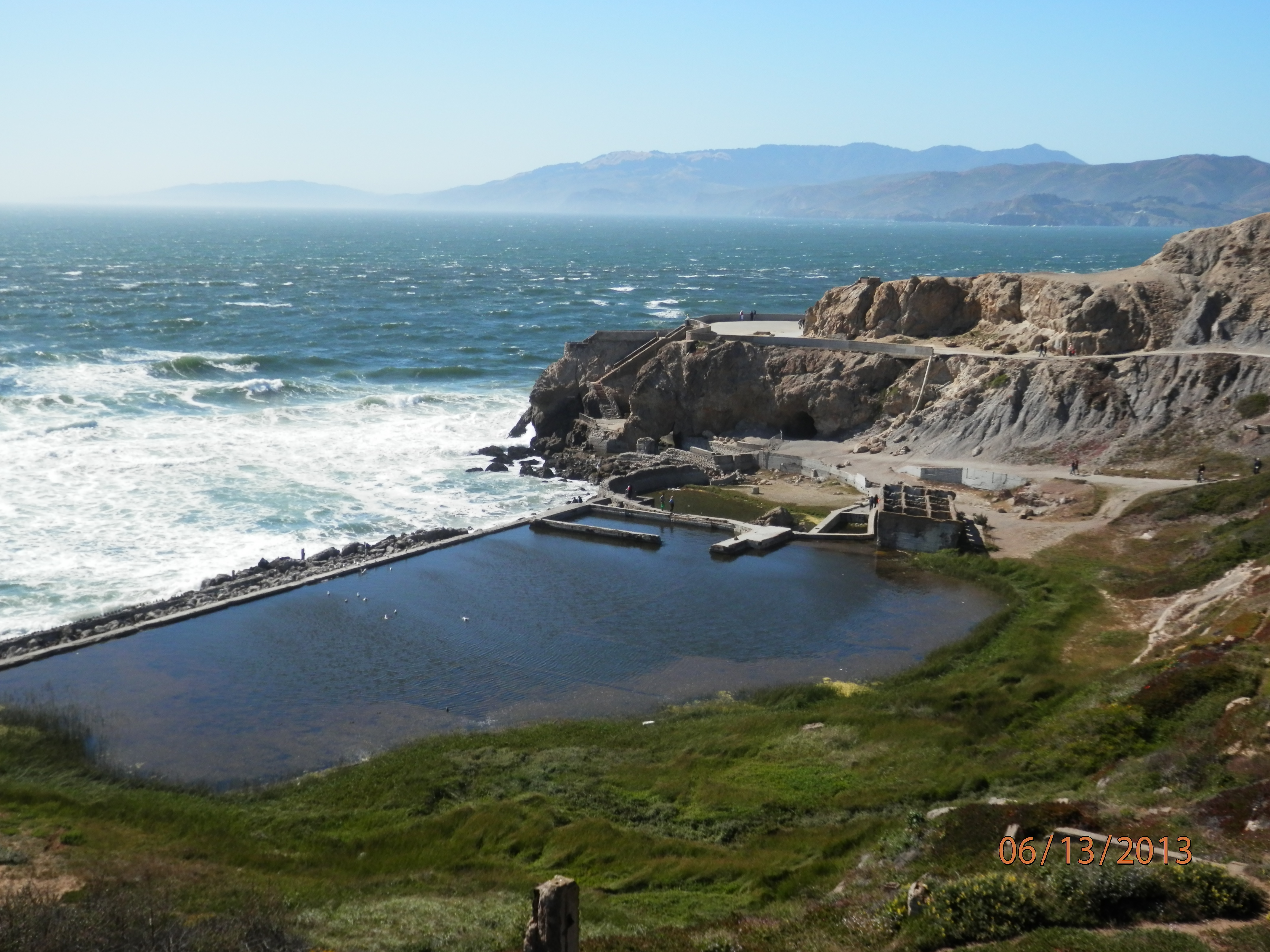
Absolutely – I have several projects on the go. For the past twelve years I have been putting together a book about my love for San Francisco, and with the immediate Folkestone project completed now, I can return to that. Since I moved to the town I have been keen to produce a modern tourist guide, based upon my walking tours that I have been delivering for the past six years. And with an Italian holiday on the horizon, I am hoping to write a travel diary, hopefully in poetic form. And possibly a second volume of poetry!







 Tony Quarrington