Feeds:
Posts
Comments

Posts Tagged ‘Music’


Talk given to the Folkestone is a Library: The Power of Reading Together” event at the Quarterhouse in Folkestone on Thursday 7th May 2026.

Thank you, Sophie and the team for inviting me to talk this evening. I am thrilled to be associated with this exciting project.

I had contemplated showing a series of slides, but after 30 years of delivering Powerpoint and similar presentations, I thought I would stick to just talking to my subject this evening.

After all, if the King can talk for 37 minutes without visual aids, I’m sure I can manage 10.

………………………………….

I moved to Folkestone (not quite from London) almost 10 years ago and have watched its reputation as a major arts destination grow exponentially.

But I have always felt that literature was the poor relation in the local creative scene, despite the outstanding work done by Poets’ Corner, Write by the Sea and many other groups and individuals.

I started the walks in 2017, focusing initially on The Leas, Creative Quarter and the Harbour and Seafront.

In the following years I added tours of the East Cliff, West End, Bayle, Sandgate and even the Town Centre (as part of the Levelling Up initiative) as well as those themed on Art, Literature and the town’s rock and roll heritage.

I should take this opportunity to put in a plug for the next free rock and roll tour this coming Saturday as part of the Music in May programme. Join me at 10.30am in Noel’s Yard aka Market Square for 2 hours exploring the blue plaques, Wall of Fame and reliving concerts and other events related to those.

………………………………..

But back to the literary tours.

Prior to researching Folkestone’s literary history, I was certainly conscious of H.G. Wells’ close connection to the area, and being from Rochester, of Dickens’s affinity with the town (far greater I might add then Broadstairs with whom he is more often linked), but little else.

I subsequently learnt that not only has Folkestone been the birthplace of a host of writers, but for the past 183 years since the coming of the railway, it has welcomed many others en route to and from the Continent, some of whom have left their observations on the town.

On the tours you will encounter both.

………………………………

I didn’t realise, for instance, that one of my favourite writers, a Nobel Prize winner no less as well as the only one ever to play first class cricket, actually spent 2 weeks here in 1961. I suspect many of you know to whom I’m referring – but if you don’t, I’m not going to tell you now – you’ll need to come on a tour!

………………………………

So, what do the tours entail?

We meet at the Step Short Arch and weave our way through the town via Albion Villas, the parish church, the Bayle, Old High Street, Harbour and Harbour Station and along the seafront to the Zig Zag Path where we return to the Leas.

If nobody is looking, we might also sneak a peek at the Road of Remembrance! And if you have the stamina, we can walk through to Sandgate, where Wells lived for almost a decade, before returning to the starting point.

Along the route, we make regular stops where I read relevant extracts from writers associated with that particular location. The latest author count is 12, though I am always looking for additional material.

The reopening of the library, at least at its temporary home, in Sandgate Road on 26th of this month, will be a great help in that process.

………………………………..

The tours take around three hours (more like four hours if we extend it via Sandgate), with a short break or two included, and cost just £10 per person.

Whilst I will be running many other tours over the summer, I have set aside a series of dates, initially in May and June, which are listed in a pack of handouts you can collect later this evening.

I have also negotiated a free tour for Creative Folkestone members on 12th June.

………………………………….

I’ll leave you with 3 short quotes that I cover on the tours to provide you with some flavour of what they entail.

The first is from Charles Dickens and describes the impact of the tides on Folkestone Harbour, and I think you’ll agree, he could have written it today.

I should first explain that Dickens christened Folkestone Pavilionstone in honour of the Royal Pavilion Hotel, which stood on the site now occupied by the Grand Burstin.

I wonder if, a hundred years or now, a famous writer will christen Folkestone “Burstinstone” in their work!

Dickens wrote: “We are a tidal harbour at Pavilionstone. At low water, we are a heap of mud, with an empty channel in it where a couple of men in big boots always shovel and scoop: with what exact object, I am unable to say.

At that time, all the stranded fishing-boats turn over on their sides, as if they were dead marine monsters; the colliers and other shipping stick disconsolate to the mud; the steamers look as if their white chimneys would never smoke more, and their red paddles never turn again, the green sea-slime and weed upon the rough stones at the entrance, seem records of obsolete high tides never more to flow; the flagstaff-halyards droop; the very little wooden lighthouse shrinks in the idle glare of the sun.

But, the moment the tide begins to make, the Pavilionstone Harbour begins to revive. It feels the breeze of the rising water before the water comes, and begins to flutter and stir. When the little shallow waves creep in, barely overlapping one another, the vanes at the mastheads wake, and become agitated. As the tide rises, the fishing-boats get into good spirits and dance, the flagstaff hoists a bright red flag, the steamboat smokes, cranes creak, horses and carriages dangle in the air, stray passengers and luggage appear.”

And it goes on.

…………………………………….

The second comes from Kipps. the novel by H.G. Wells which references many locations in Folkestone and beyond. This particular piece describes Kipps’ exciting Sunday exploits:

“On Sundays he was obliged to go to church once, and commonly he went twice, for there was nothing else to do. He sat in the free seats at the back; he was too shy to sing, and not always clever enough to keep his place in the Prayer-book, and he rarely listened to the sermon.

In the intervals between services he walked about Folkestone with an air of looking for something. Folkestone was not so interesting on Sundays as on week-days, because the shops were shut; but on the other hand, there was a sort of confusing brilliance along the front of The Leas in the afternoon…….

He would sometimes walk up and down The Leas between twenty and thirty times after supper, desiring much the courage to speak to some other person in the multitude similarly employed. Almost invariably he ended his Sunday footsore”.

…………………………………….

The final extract is from the late Robert Morley, actor and raconteur, who is likely to be more familiar to those in the room, like myself, of a certain age.

Morley spent much of his childhood in Folkestone due to ill health where he was constantly wheeled around in his sailor suit in a bath chair.

He claimed that “if there’s one thing young people lack today….it is Folkestone standards. It may well be what’s wrong with the country. No child brought up as I was in Folkestone and Kensington Gardens ever felt the need of a psychiatrist”.

……………………………………

Thank you.
Read Full Post »


After a restful night in our lovely suburban cottage, it was time to explore downtown Memphis (our other full day would be dedicated largely to Graceland).

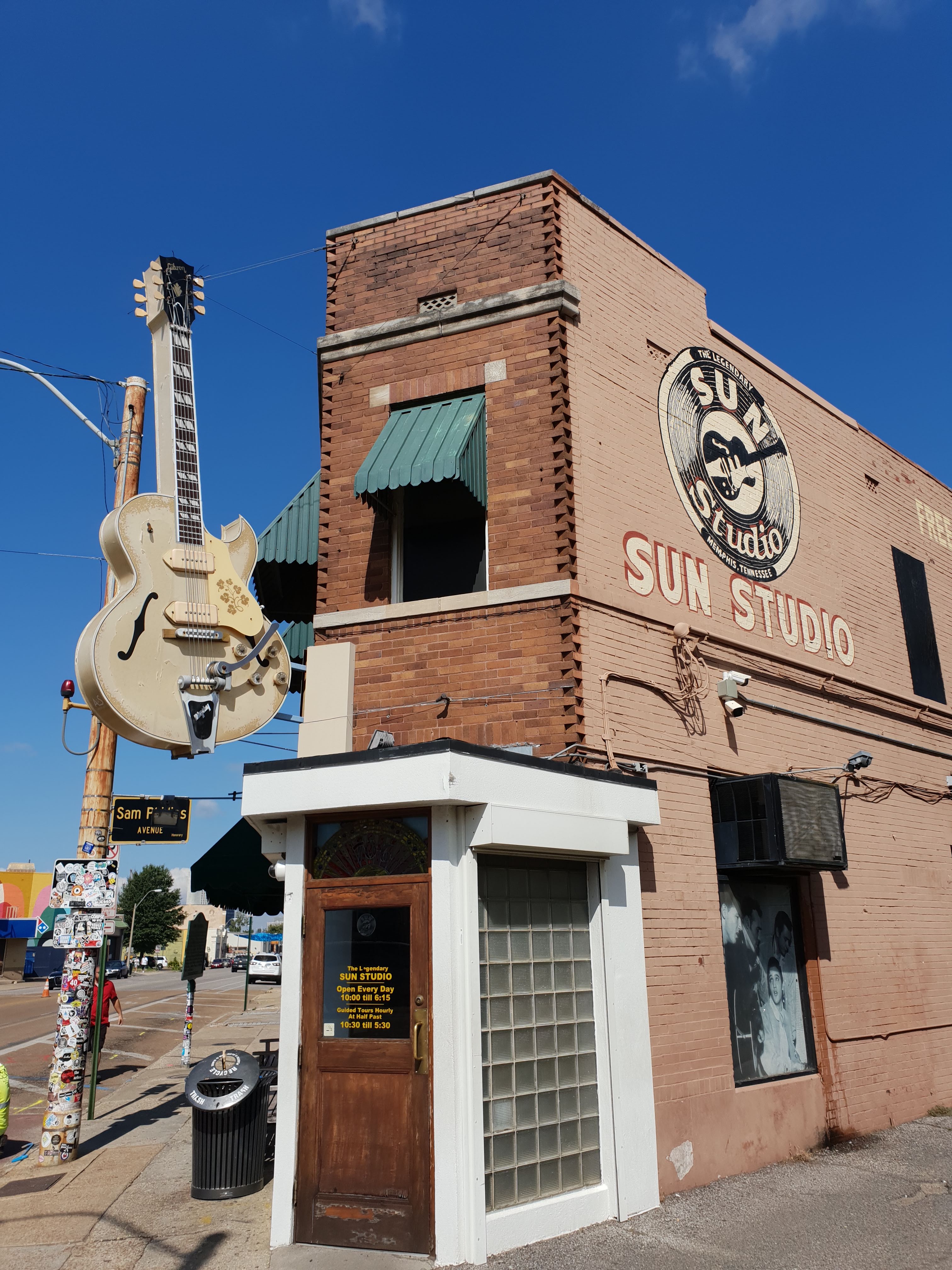
And where else to start than legendary Sun Studio, the “birthplace of rock ‘n’ roll”?

20181003_111249

This was one of the moments on the trip that I had most been looking forward to. And it proved more moving than even I had expected.

Record producer, Sam Phillips, opened the Memphis Recording Service at 706 Union Avenue on 3rd January 1950. But it was not until 18th July 1953 that an eighteen year old boy from Tupelo, Mississippi, named Elvis Aaron Presley, dropped in to record an acetate for his mother’s birthday, that the studio earned its place in rock ‘n roll history.

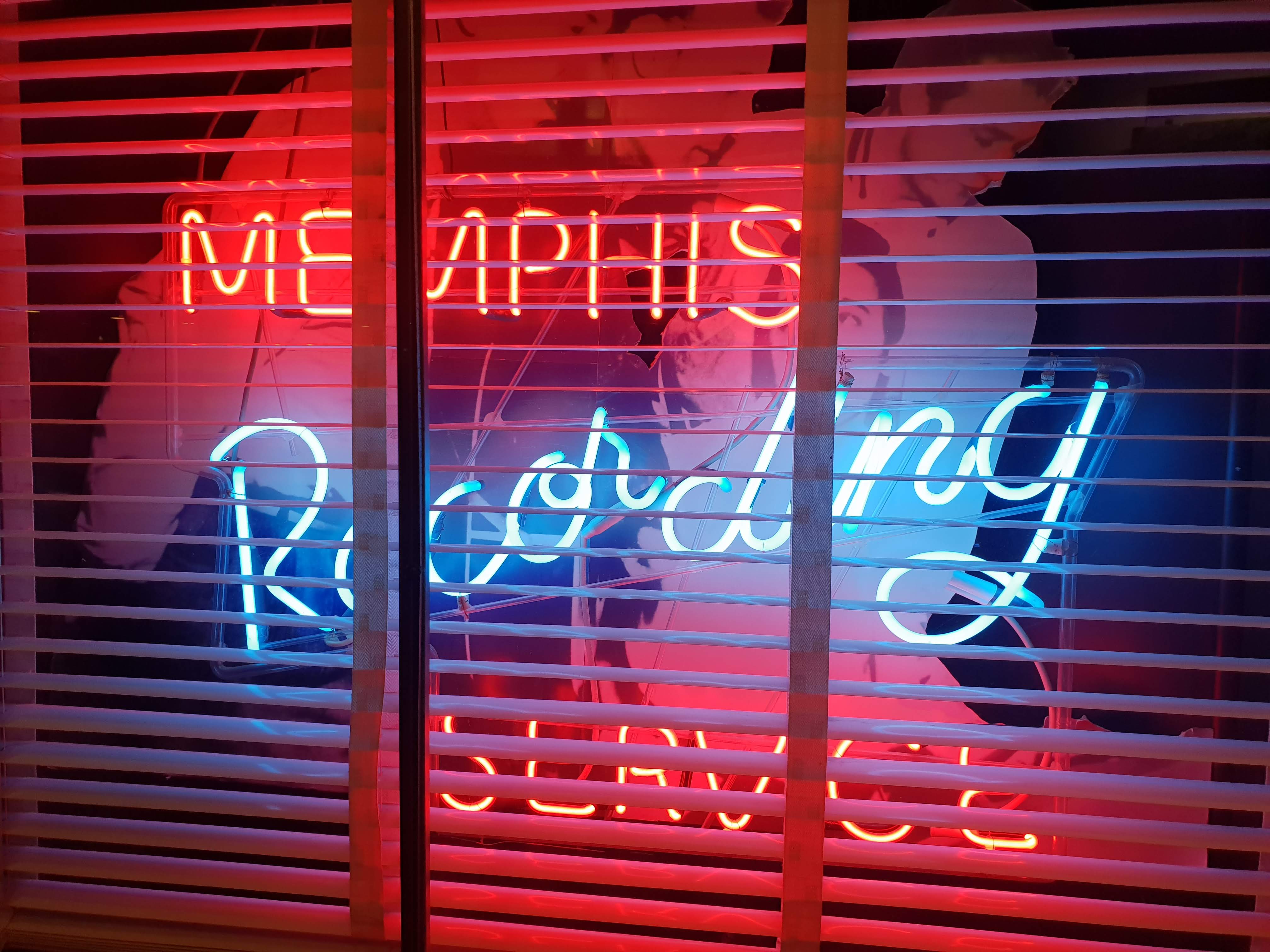
20181003_115549

Phillips was not immediately impressed until, in a ‘break” in auditioning, Elvis grabbed the microphone and launched into Big Boy Crudup’s That’s All Right that he realised this was a unique talent.

When our tour guide, Graham, played us those pieces, I confess that I was in tears. These were pivotal and emotional moments, not only in music history, but also in the chronicles of modern times.

20181003_113126

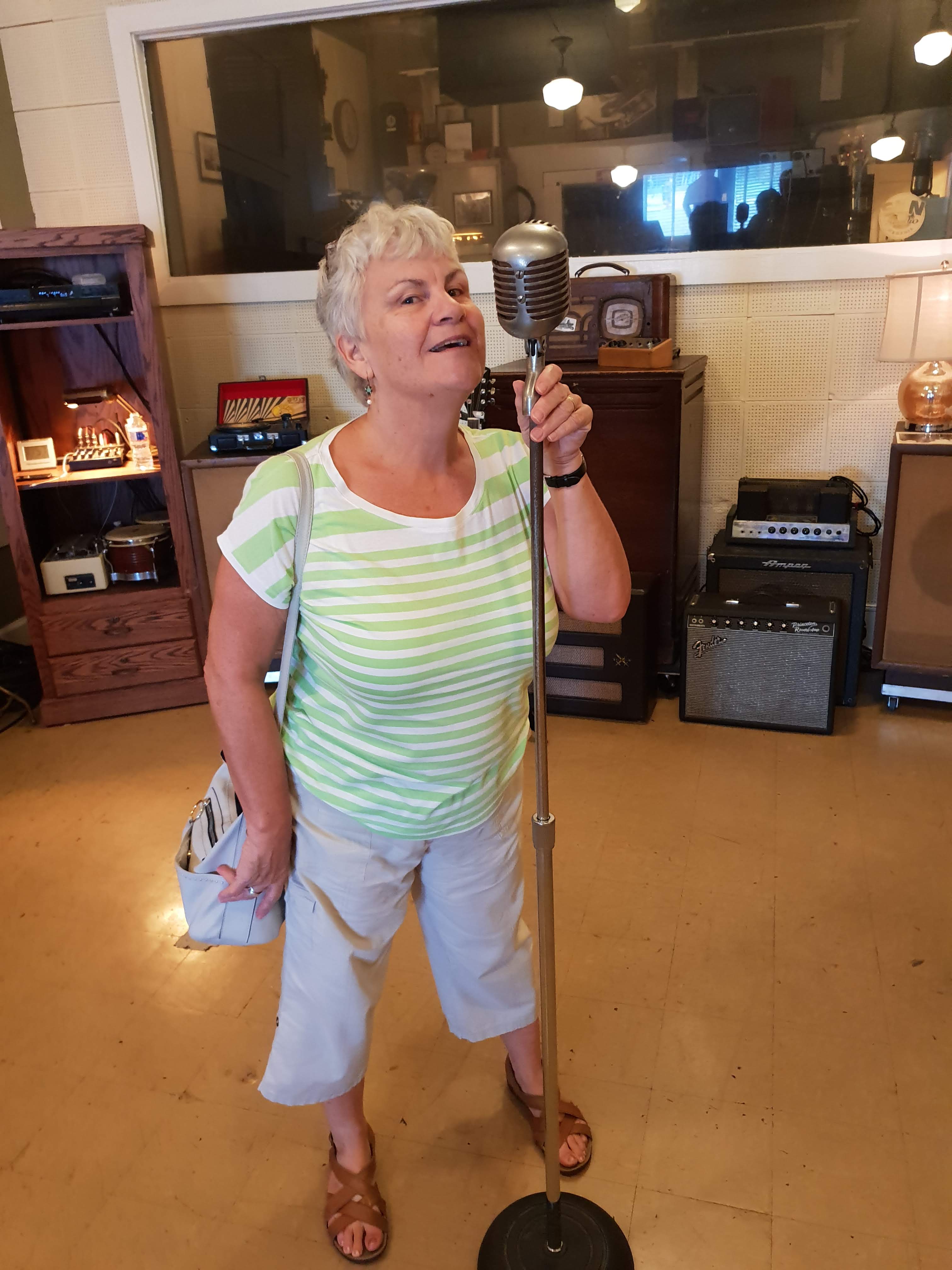
Janet, who alone among a group of about twenty guests, contrived to position herself on the exact spot where Elvis stood on that fateful day, took the opportunity to stand at the microphone – though, thankfully, she remained mute.

20181003_115801

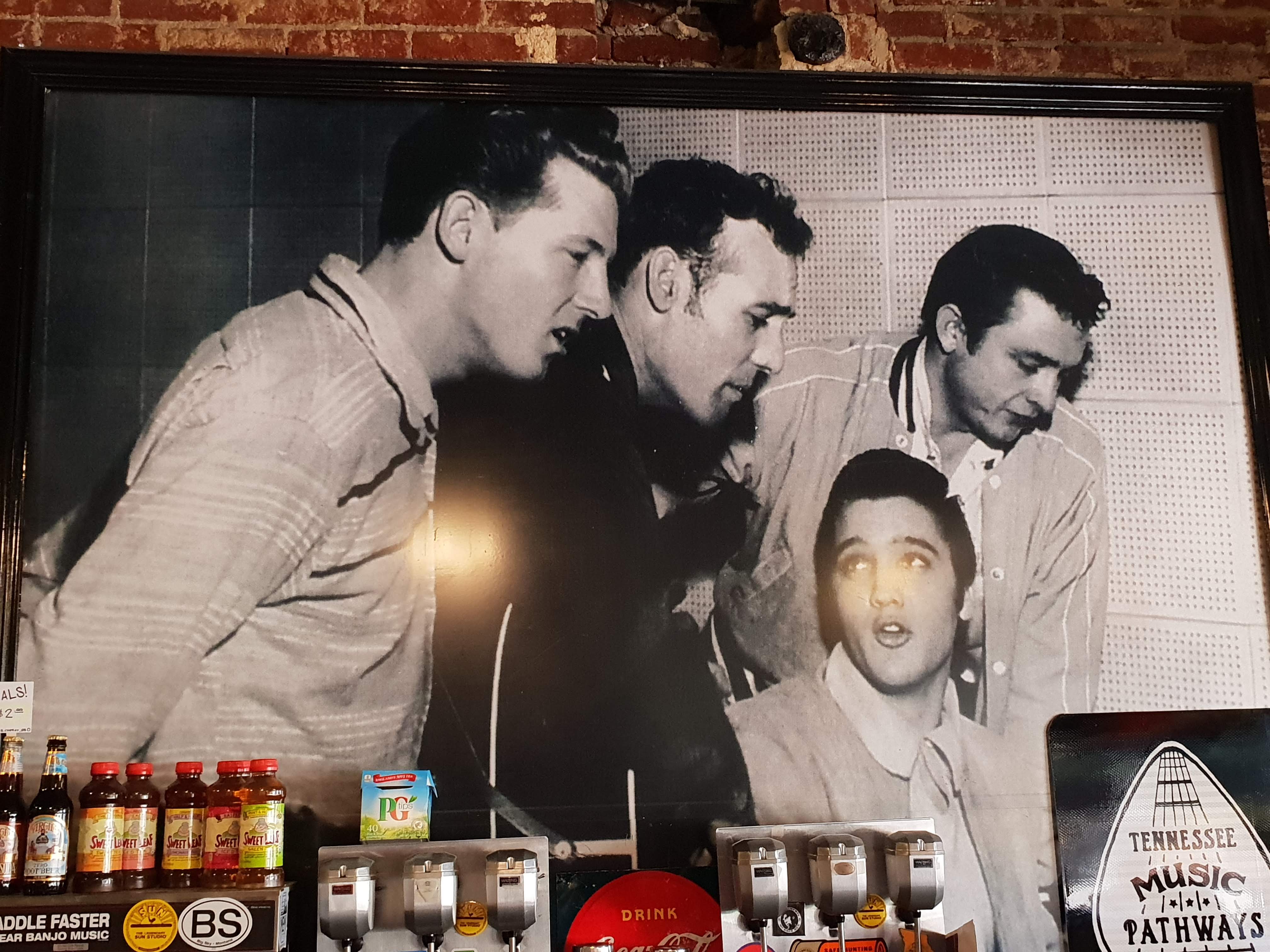
The other heart-rending moment was listening to an original recording from the equally fabled “Million Dollar Quartet” jam session performed by Elvis, Johnny Cash, Carl Perkins and Jerry Lee Lewis on 4th December 1956 – pure gold!

20181003_111534

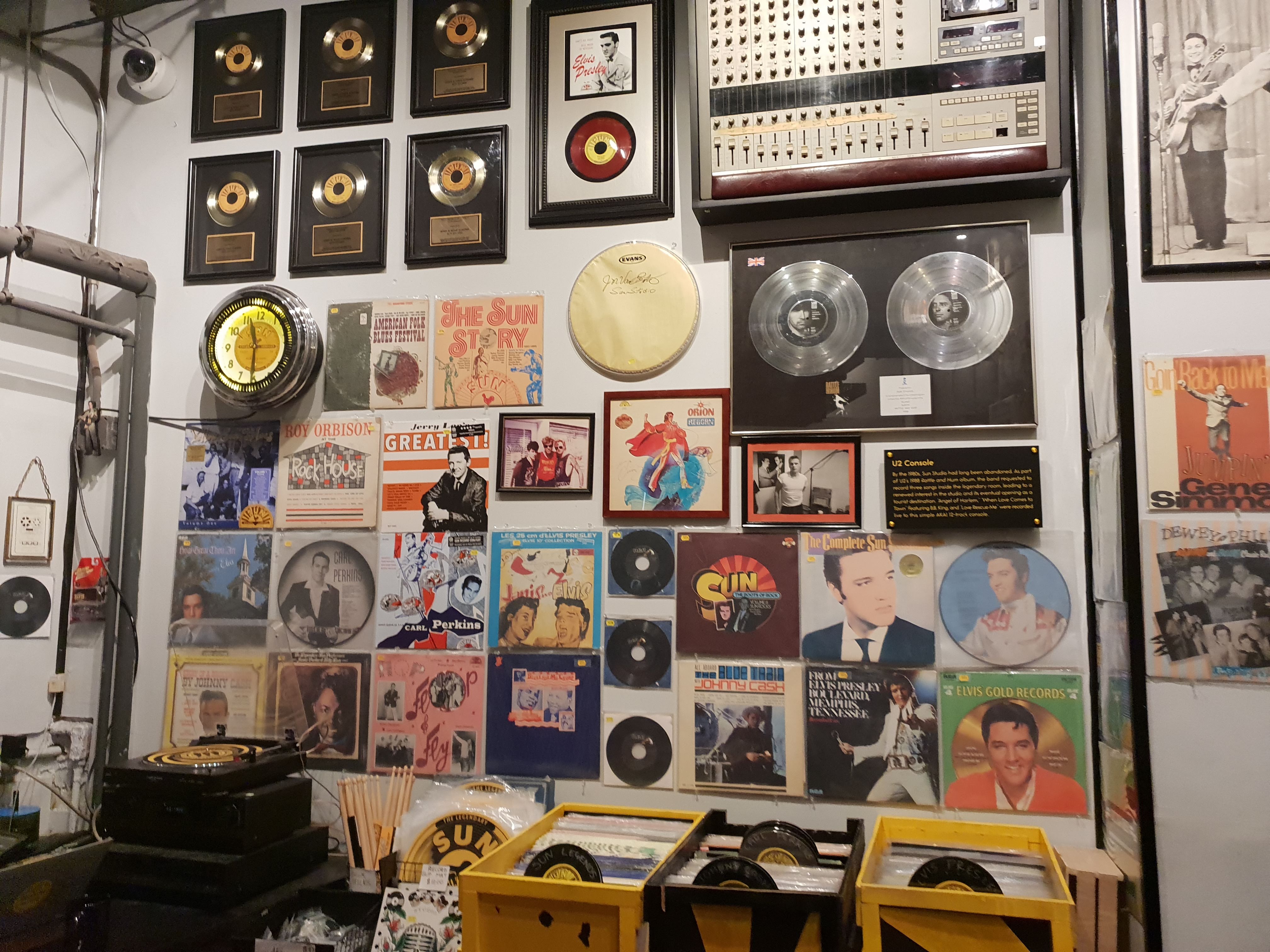
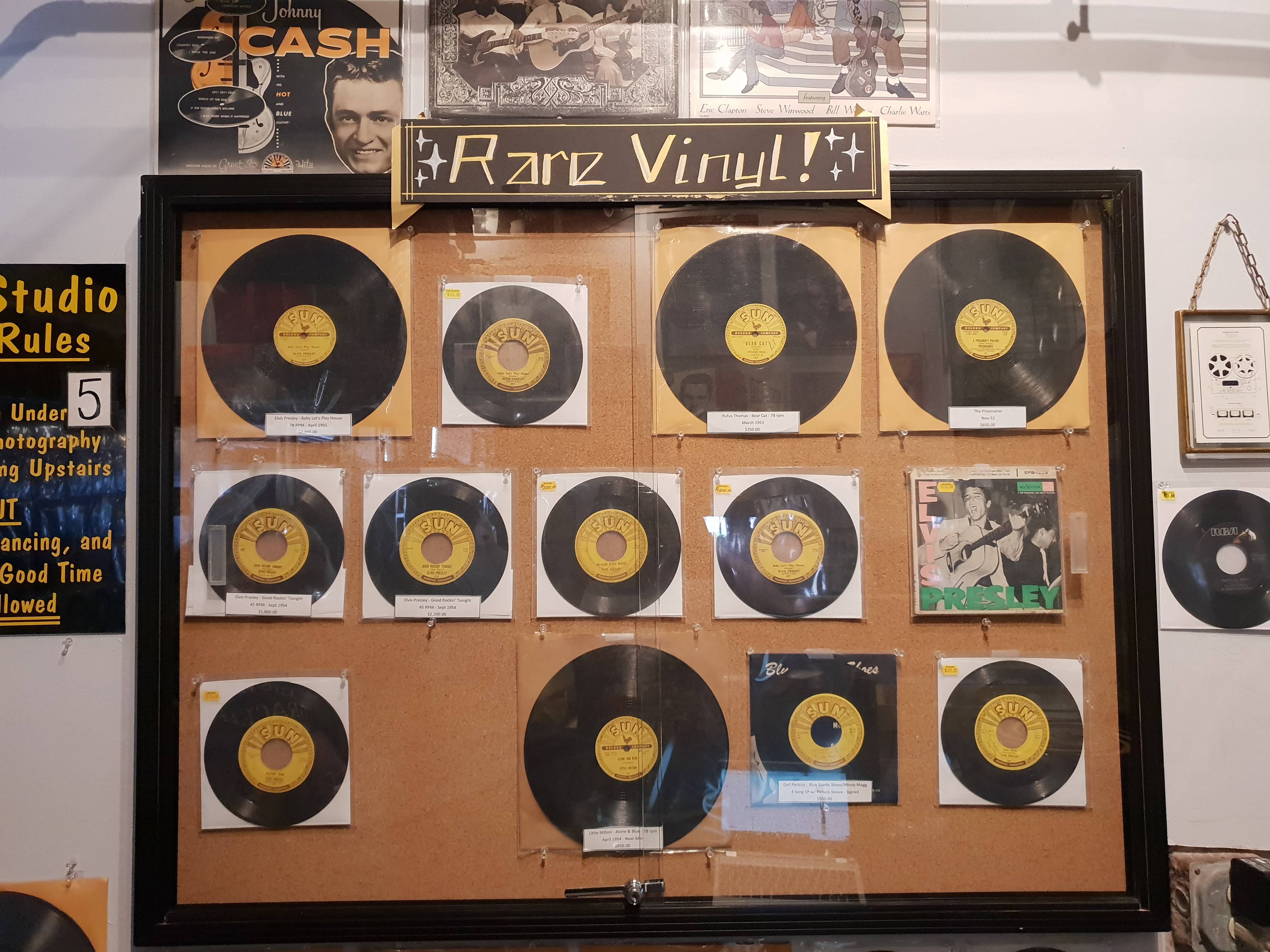
Aside from the musical gems (there were many others), we were permitted to explore some of the priceless artefacts that adorned the walls, including recording equipment, posters  and original discs.

20181003_123003

The tour may only have lasted around 45 minutes but it was a breathtaking experience.

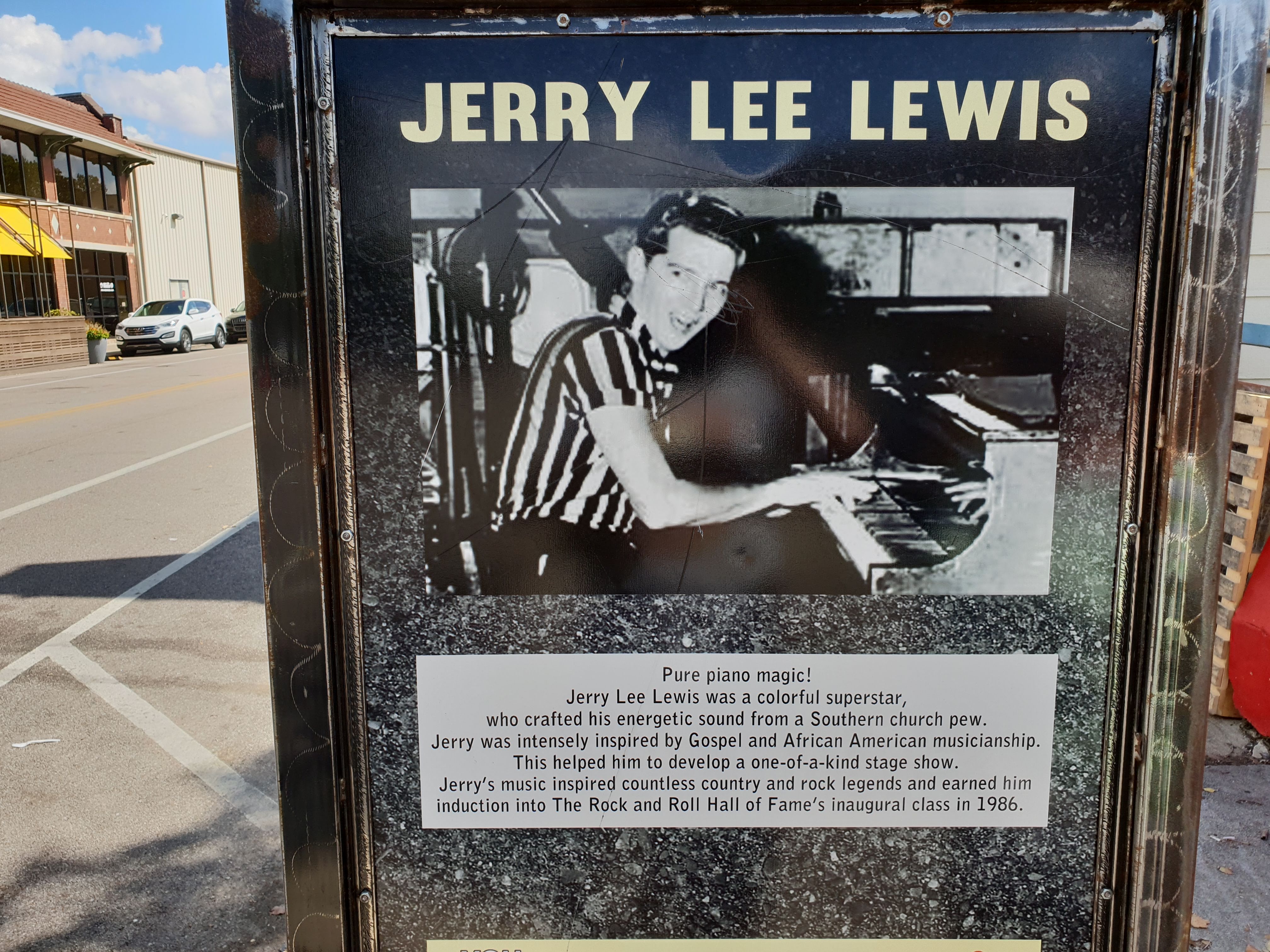
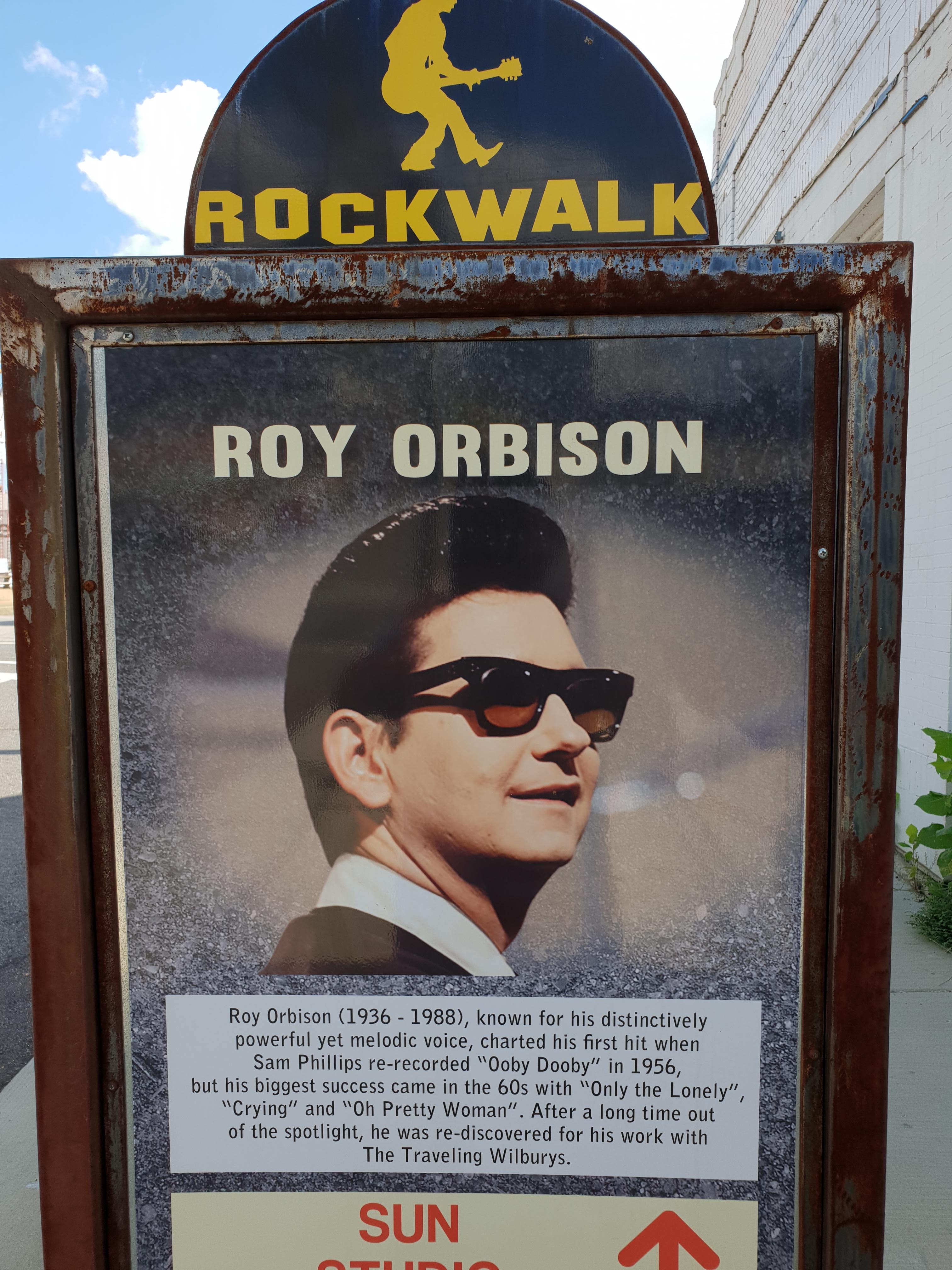
Leaving Sun Studio we walked down Monroe Avenue, stopping at regular intervals to enjoy the “Rock Walk” signs. In addition to the two shown below, others included Johnny Cash, Howlin’ Wolf and Ike Turner.

20181003_124009

20181003_124712

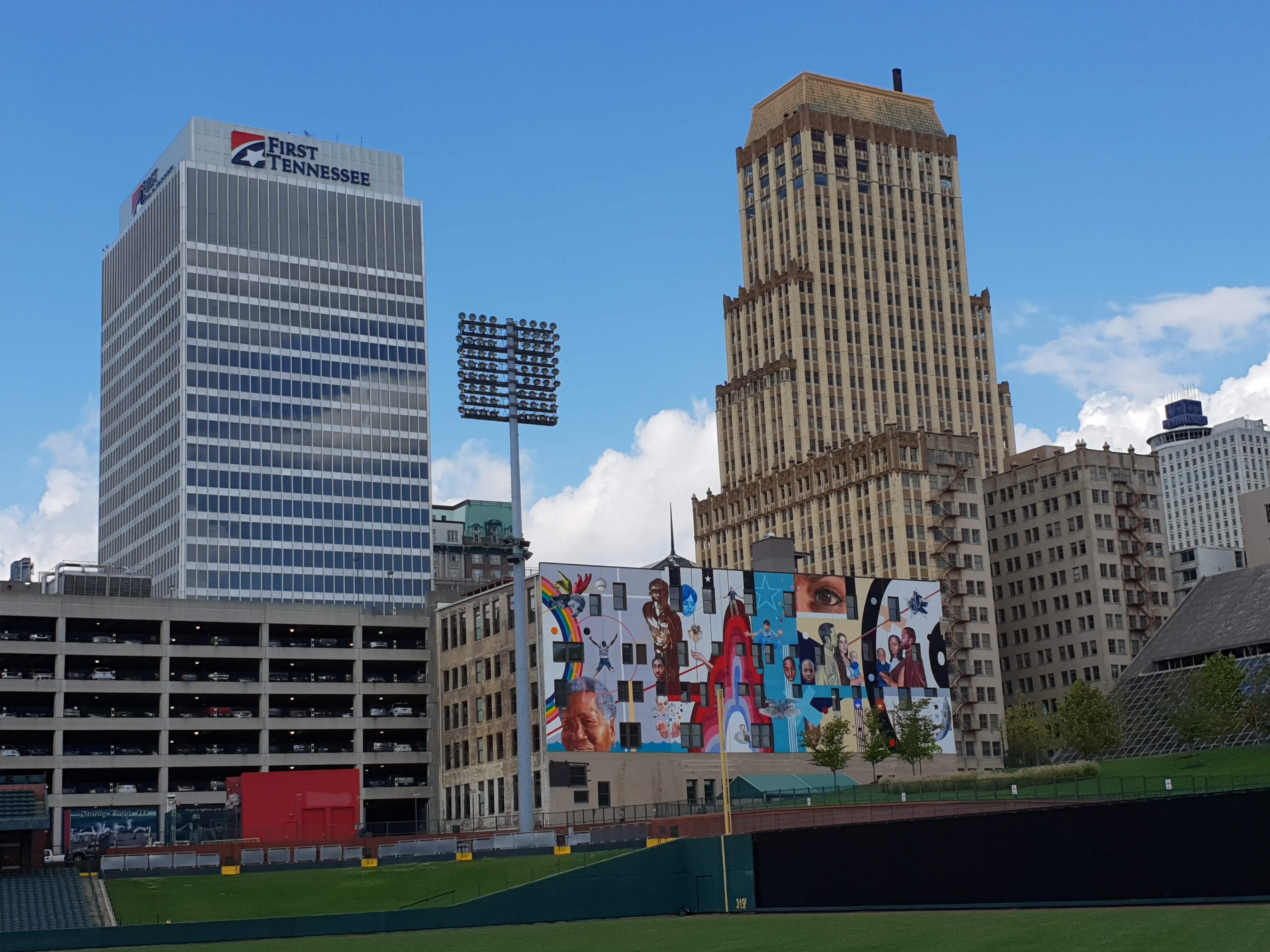
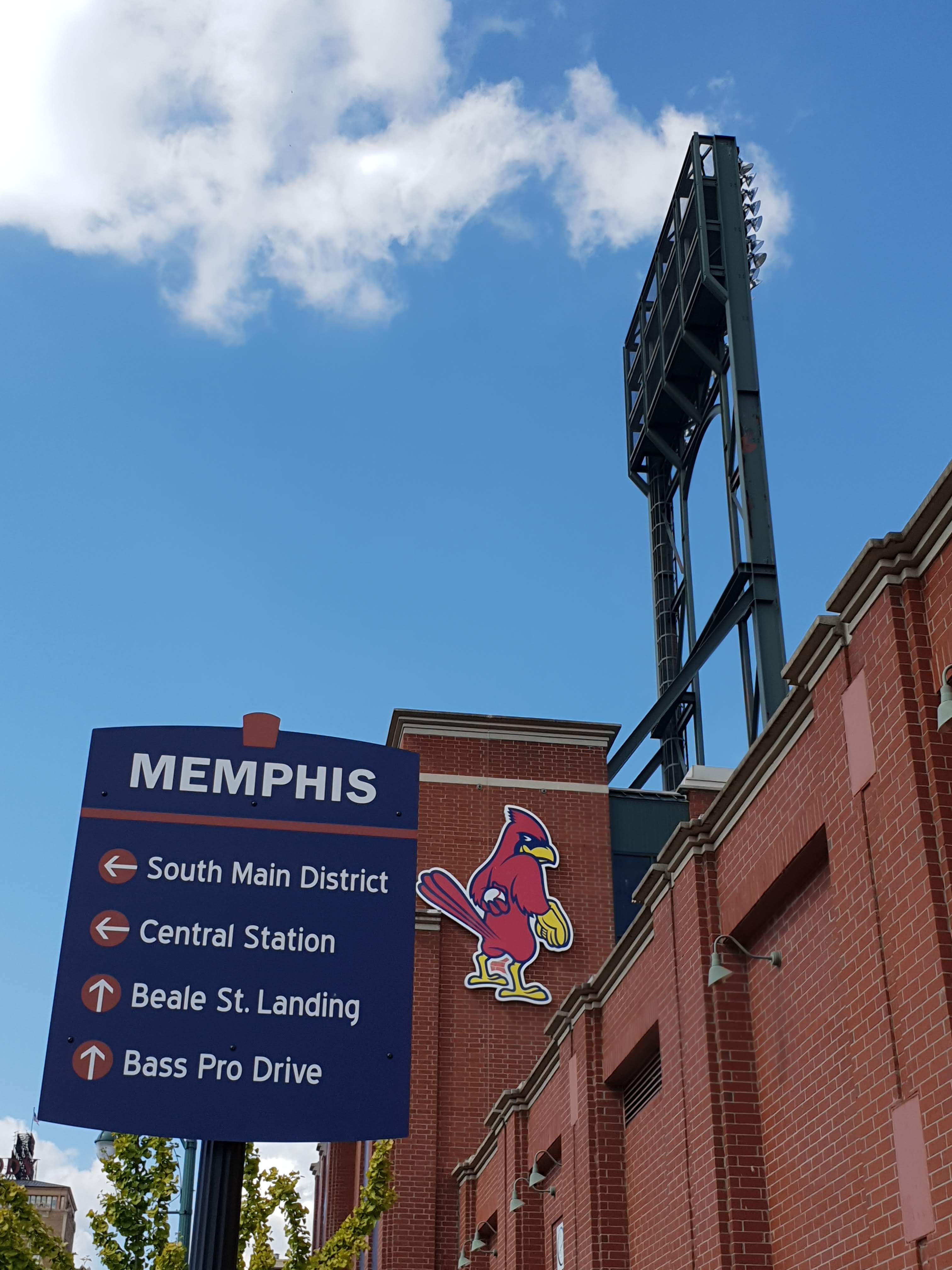
As we entered downtown we were able to investigate the compact and attractive Memphis Redbirds ballpark. It is a shame that such a major city as Memphis only has a Minor League team, but American sports are largely closed doors. I dare say, however,  that the team’s supporters will be no less fanatical than they are in New York, Boston or San Francisco.

20181003_125128

20181003_125530

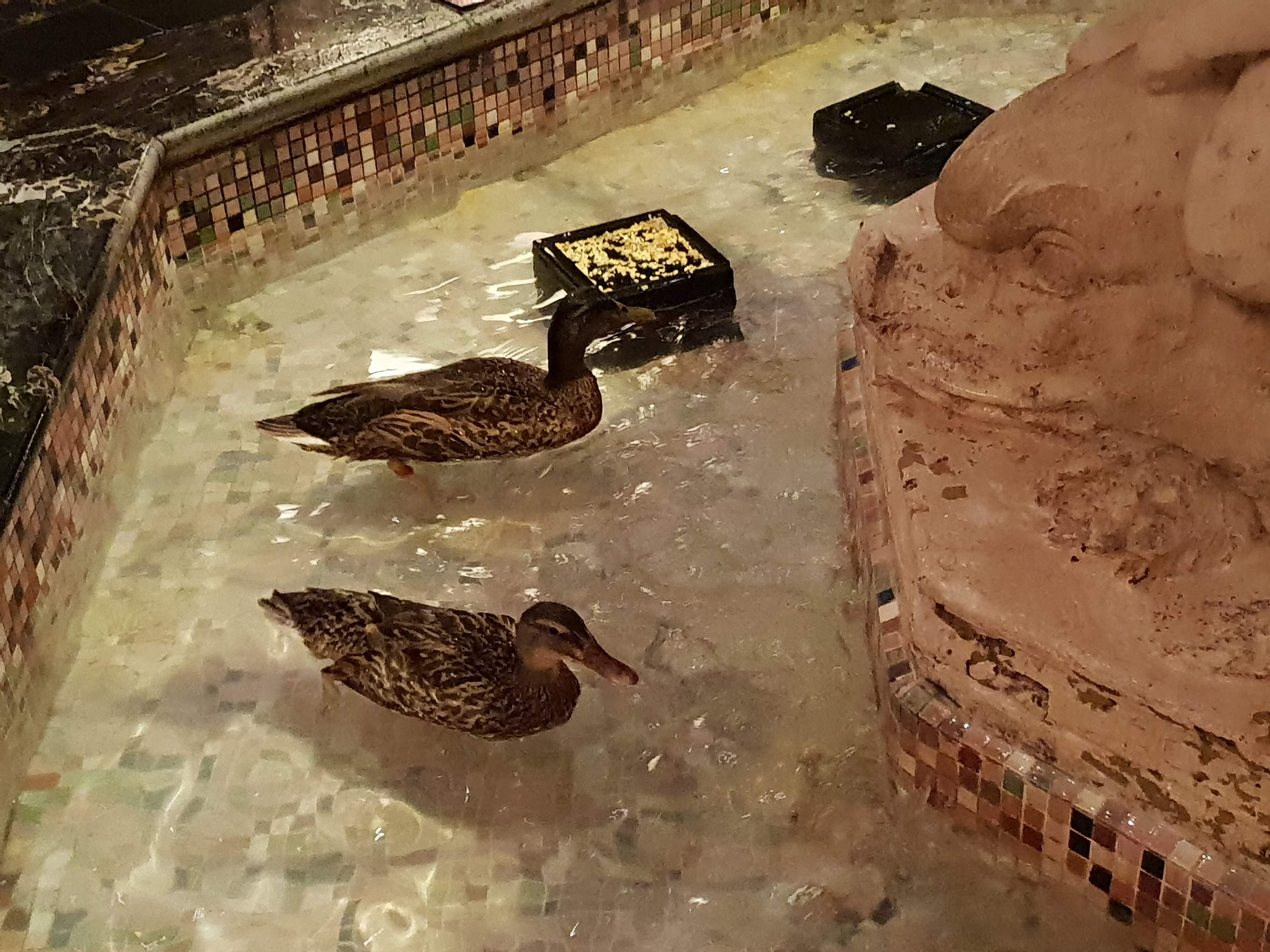
Another of the essential tourist experiences in Memphis is a visit to the Peabody Hotel, where twice a day at 11am and 5pm, a group of ducks are marched to and from their rooftop palace to the lobby fountain on the ground floor, where they spend the intervening hours.

It was after midday when we wandered through the lobby, so they were already blithely floating round their daytime home. We did not plan to return at the moment they returned to the “Royal Duck Palace”.

20181003_130042

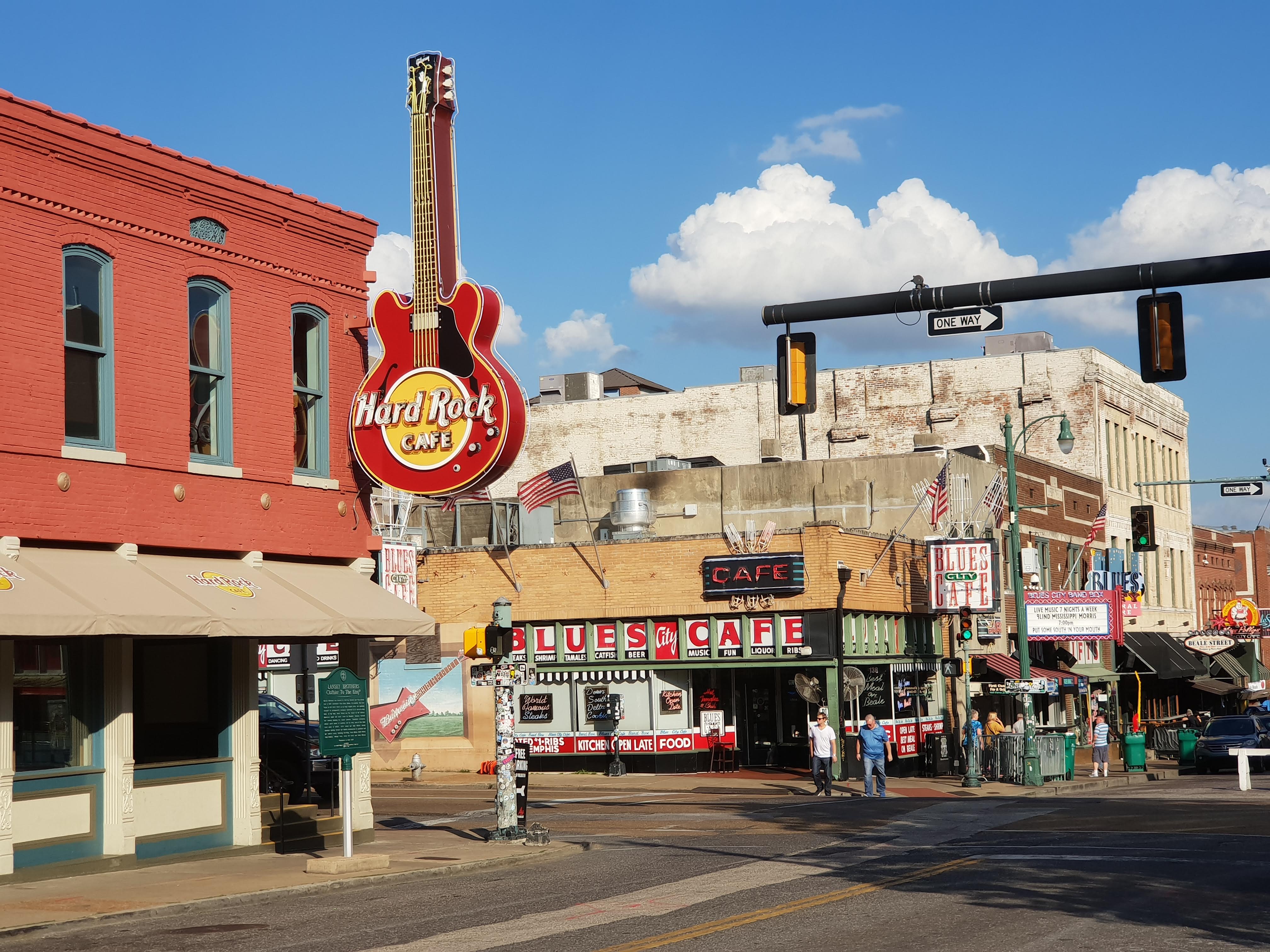
After a tasty lunch of grilled cheese, chunky fries and wine at Automatic Slims, we began to explore the Beale Street area. Although we could hear live music emanating from some of the bars, it was much quieter in early afternoon than we would discover later in the evening.

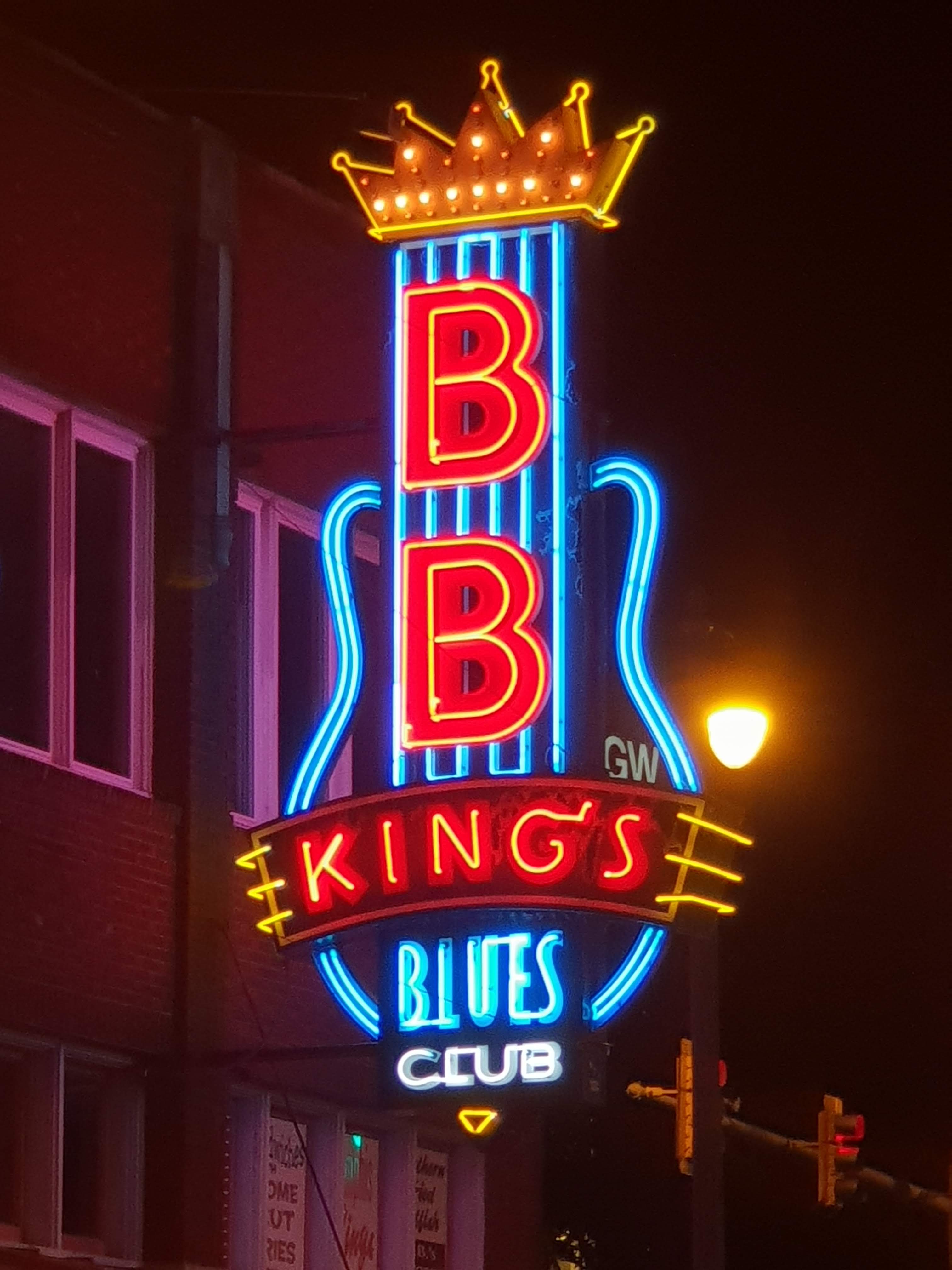
Beale Street has been the beating heart of Memphis for over a century. The promise of musical stardom has lured musicians such as Gus Cannon, Furry Lewis and the wonderful Memphis Minnie from nearby Mississippi. Since the end of the Second World War, many – Elvis, BB King and Rufus Tomas included – became blues, soul and rock ‘n’ roll recording stars.

But more of Beale Street later.

20181003_163142

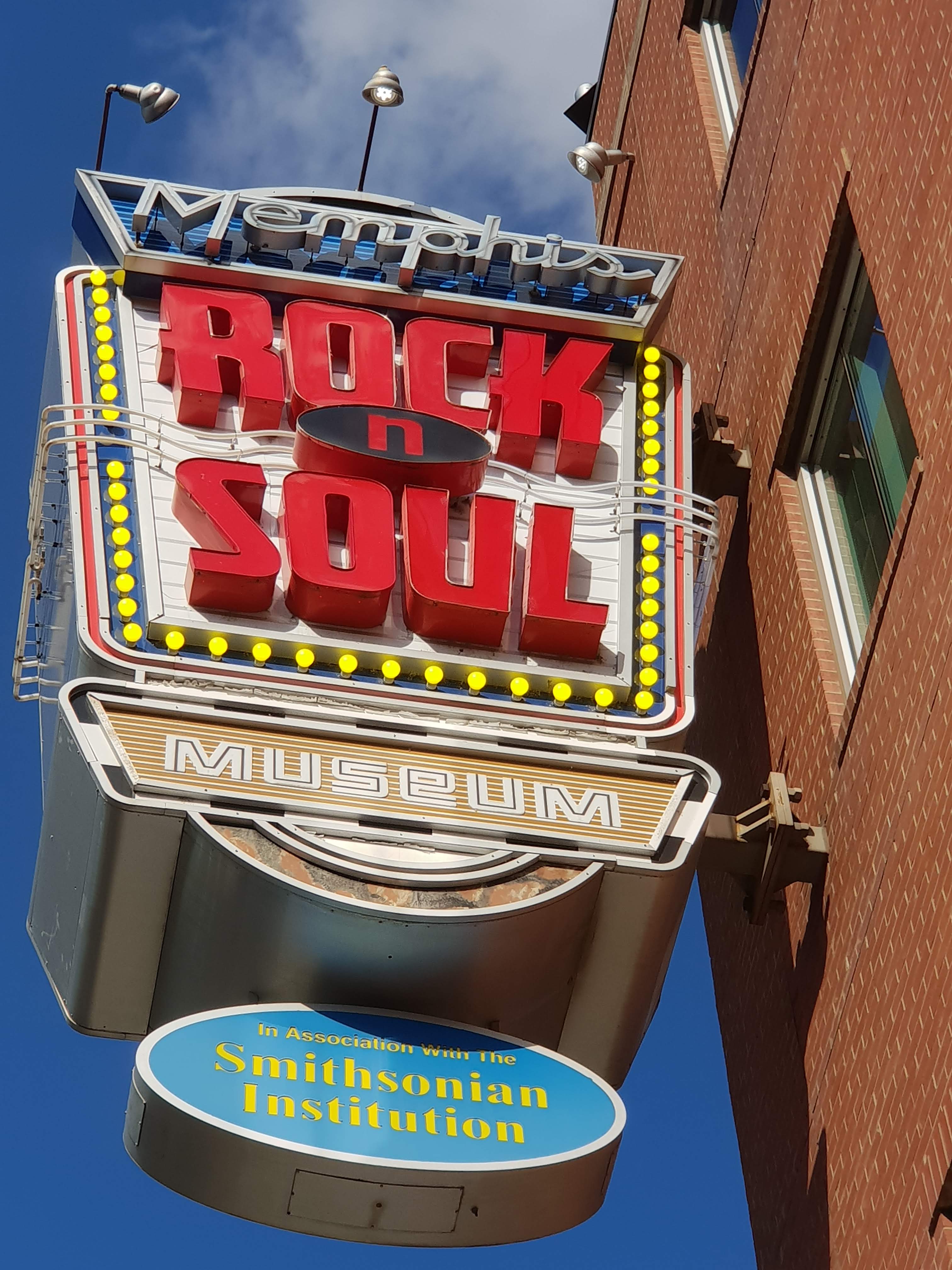
Time for yet another music museum. This time, the Memphis Rock ‘n’ Soul Museum on 3rd Street (B.B. King Boulevard), described by the Performing Songwriter Magazine as arguably the “single best exhibition of American musical history in the country”.

20181003_160058

And a superb exhibition it is as it tells the important story of those “musical pioneers who overcame racial and socio-economic obstacles to create the music that changed the cultural complexion of the world”.

It begins with rural field hollers and sharecroppers of the thirties, through the explosion of Sun, Stax, and Hi Records, inside Memphis’ musical heyday in the seventies, to its global musical influence. A digital audio tour guide highlights a series of tableaux and includes over five hours of information, is packed with over 300 minutes of information and more than 100 songs.

You can wander around the museum at your own pace through seven galleries featuring three audio visual programmes, more than thirty instruments, forty costumes, and other musical treasures.

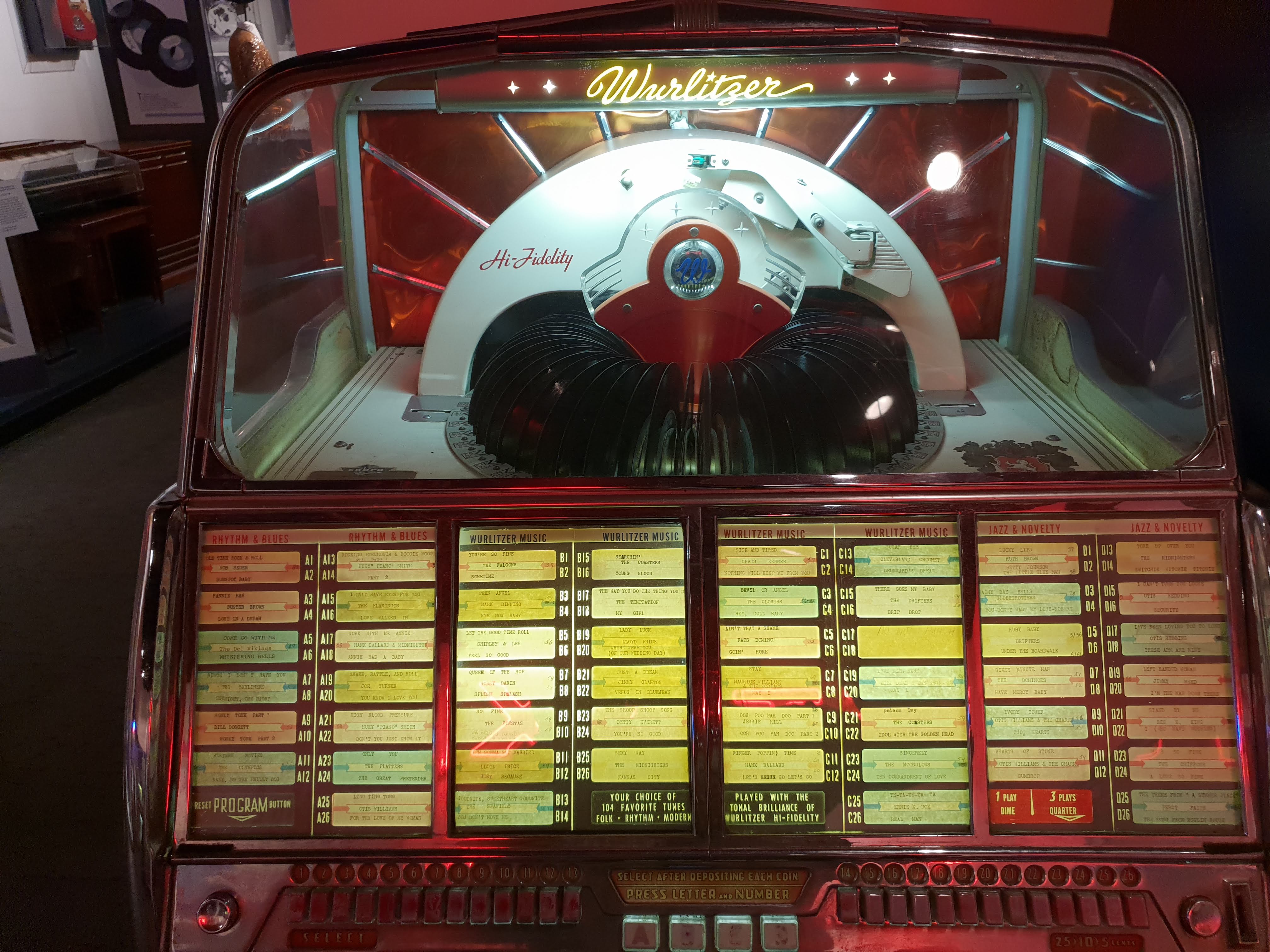
I was especially enamoured of the collection of juke boxes dotted around the museum, enabling you to select favourite songs from comprehensive lists for each era and style.

20181003_153754

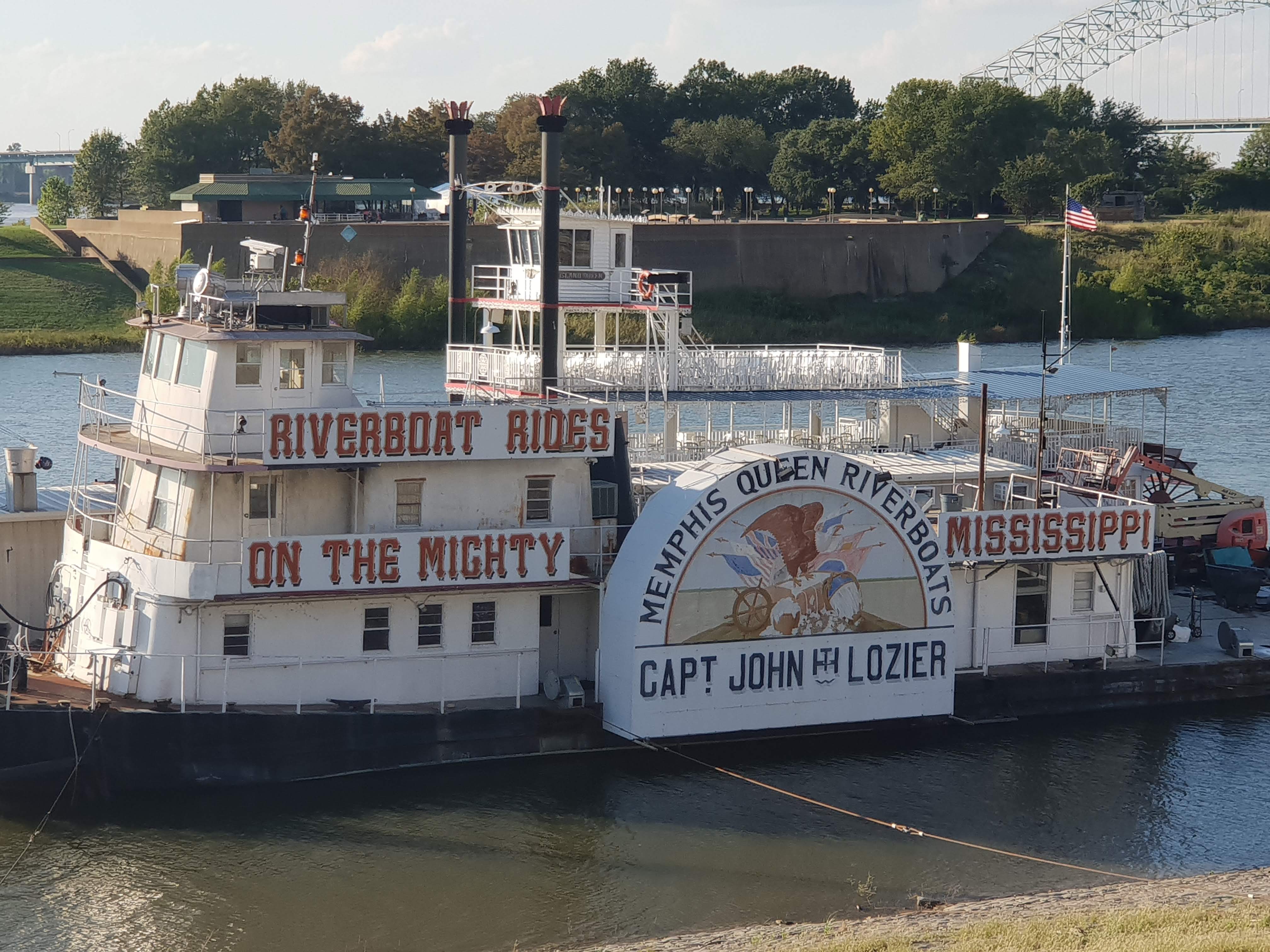
Returning from the air conditioning of the museum into the heat of the street, an experience we endured with varying degrees of comfort over the whole trip, at least until now (and later Nashville), we strolled down to the riverfront alongside the Hernando Desoto Bridge that spanned the Mississippi.

20181003_165936

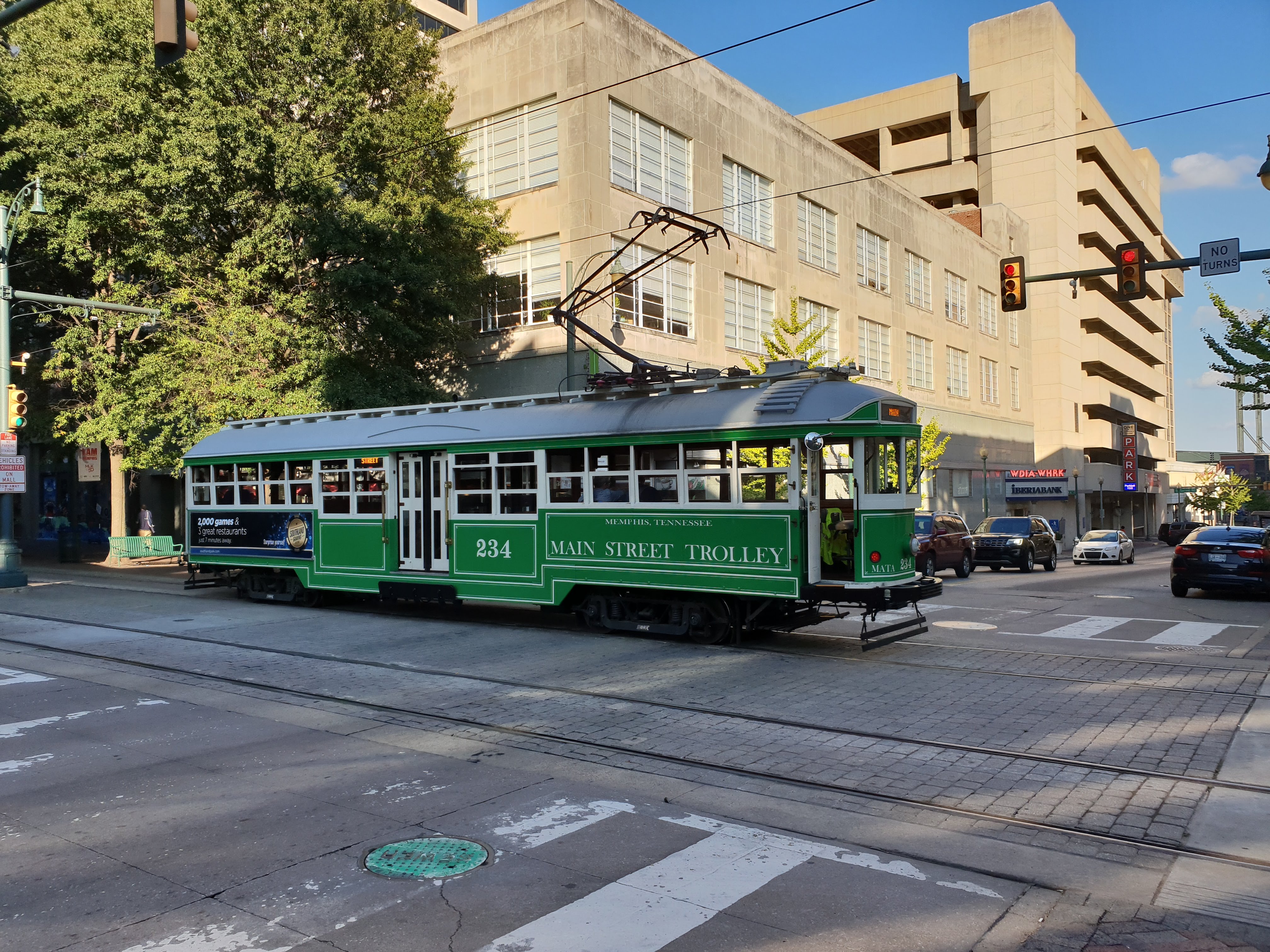
Unlike New Orleans, where we rode three lines of streetcars, we did not really have time to experience the Memphis version, though they are clearly an attractive and valuable addition to the city transportation system.

20181003_170540

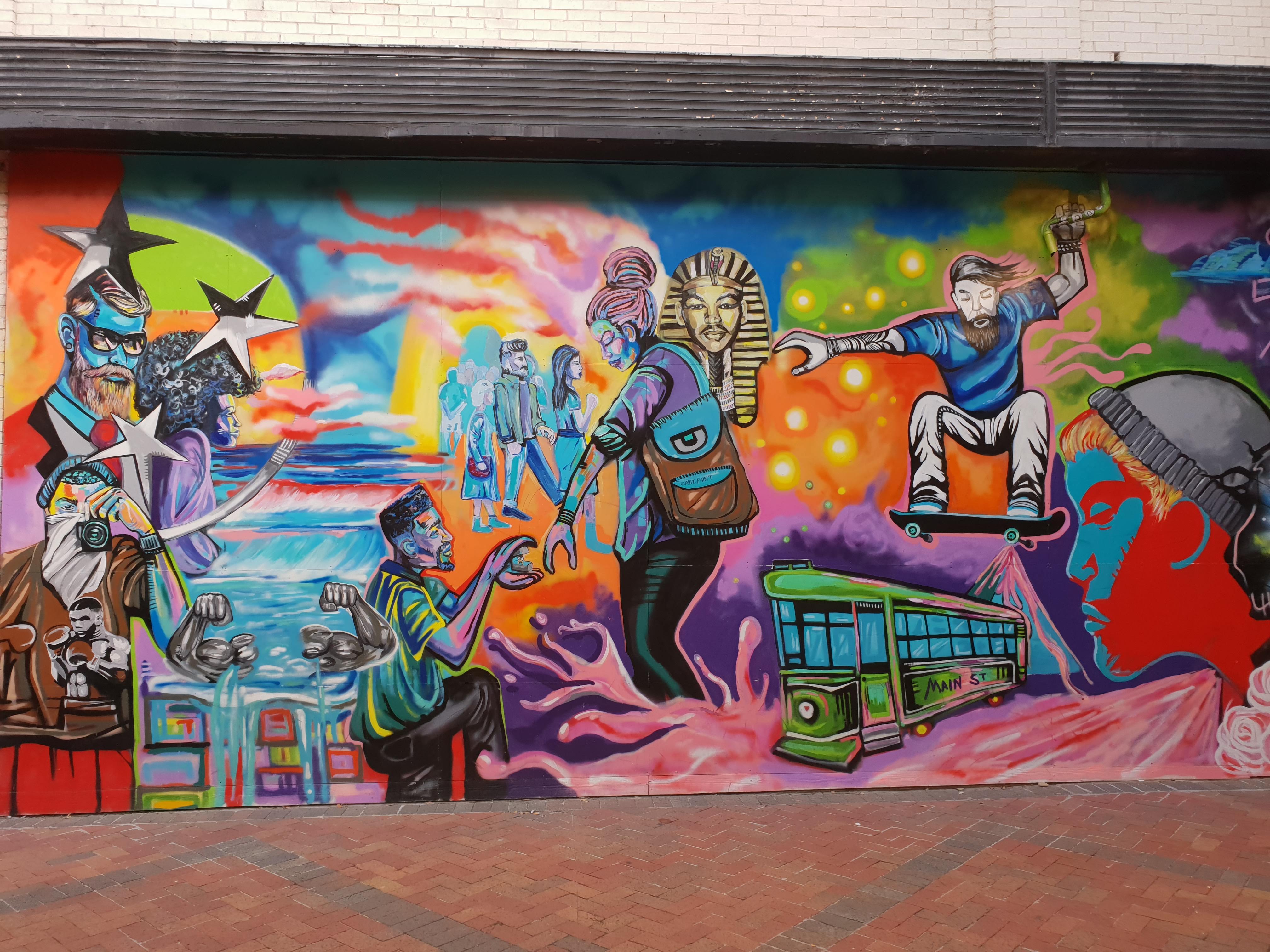
There was some imaginative, locally themed street artwork around downtown too.

20181003_172919

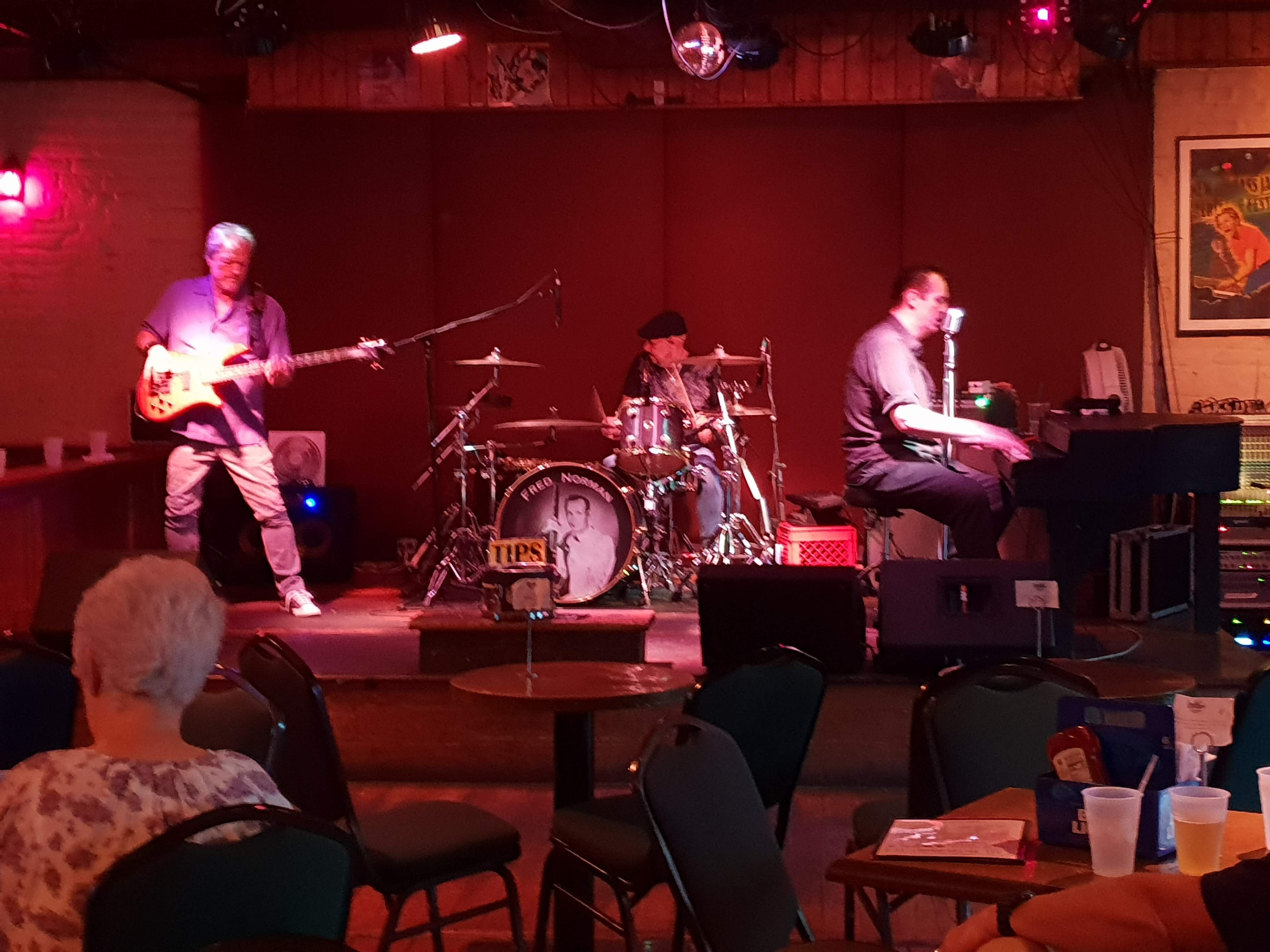
As dusk fell, we went in search on Beale Street for live music and dinner. Our first port of call was the Jerry Lee Lewis’ Cafe and Honky Tonk where Jason James, with an excellent band, gave an energetic and authentic performance to a packed out crowd.

20181003_182903

After a couple of beers there, we wandered around, checking each bar in turn and visiting the gift shops. It was still relatively early in the evening but the street was filling up. The atmosphere was noisy and high-spirited, but we found it less threatening than Bourbon Street in New Orleans. The clear police presence at either end may have contributed to that of course.

20181003_195915

20181003_200310

We selected the Rum Boogie Cafe, one of the most celebrated nightclubs in the city. Sybil Thomas, youngest daughter of Rufus and sister of Carla, delivered a high energy of soul and funk classics with her equally dynamic band while we had dinner.

20181003_203020

With the much anticipated trip to Graceland in the morning, we called an Uber at the bottom of Beale Street to take us back to the cottage in East Memphis.


Read Full Post »


The occasion of Bob Dylan’s 70th birthday today has already spawned millions of words in the printed media and on the internet (“the whole world is filled with speculation”) about his place in the popular culture of the last half century. Many purport, as much Dylan literature does, to be serious, learned pieces about what status he has as a poet, what religion, if any, he adheres to, what really happened when he fell off his motorcycle in 1966 or even what his garbage tells us about his alleged drug use (the list goes on).

Well, this modest contribution to the cacophany has no more pretensions than to be an unashamedly heartfelt postcard – though not of any hanging – from a fan.

I know that there are many people who don’t “get” Dylan – they say that he can’t sing and he’s no longer relevant, having written nothing worth listening to for over 40 years and so on.  As far as the voice is concerned, I’ll grant them that it has always been an acquired taste, and even for many of his devotees, his current growl, the consequence of a lifetime of heavy smoking and punishing tour schedules, leaves them puzzled and dissatisfied.  Yet, even today, I believe that, in concert, the passion, intelligence and honesty in his phrasing are unrivalled.  But let’s agree to disagree on that one.  

These criticisms also tend to emanate from people whose acquaintance with Dylan’s work barely extends beyond a handful of “early” songs such as Blowin’ in the Wind, The Times They Are A Changin’, Mr Tambourine Man and Like A Rolling Stone, astonishing works of art though each of those are and enough alone of a legacy for any other artist

How many of them realise, for instance, that Make You Feel My Love, now a modern standard recorded by artists as varied as Bryan Ferry, Billy Joel, Adele and Garth Brooks, and regularly heard in popular TV shows like Holby City and Strictly Come Dancing, was written and first performed by Dylan in 1997? 

His continued relevance in the music world is incontrovertible, manifested in the stream of testimonies by modern day bands as to his influence upon them.  And anyone who has been to a recent Dylan concert will know that they are frequented by as many enthusiastic young fans as pony tailed baby boomers.  His gigs in Beijing and Shanghai last month drew crowds of mainly Chinese youth turning to him, as their American and European counterparts had done fifty years earlier, for inspiration in their quest for a more open and inclusive society.

In the past decade alone he has issued several critically acclaimed (and chart topping) albums (including a Christmas one with ALL the proceeds going to the World Food Programme and Crisis), published the first volume of his Chronicles, hosted one hundred episodes of his peerless Theme Time Radio Hour, showcasing his vast knowledge of his musical roots and hilarious patter, exhibited his paintings and continued to tour the world with his band.  Oh, and he played The Times They Are A Changin’ for President Obama in the White House. No longer relevant huh?

Some people who are kindly disposed towards his art still have difficulty with the man, citing his uncommunicative (sic) manner on stage and perceived instances of “selling out” in recent years   But those minor and arguable lapses apart, it is rather his integrity and refusal to compromise in order to curry popular favour, in the manner in which contemporaries such as Iggy Pop and Steve Tyler have, that make him all the more impressive. Like any genius, he is a flawed human being, but I for one am prepared to accept from him what he is prepared to give me, even when, as was the case with much of his eighties output, he lets his standards slip – and that is so much more than I could ever have had a right to expect.  The debt is all mine.    

Perhaps one day I will attempt the thankless task of listing my favourite 10, 20, 50 or even 100 Dylan songs, but the reason I probably won’t is that I would feel uncomfortable at leaving so many great ones out. What I do know is that any list would include compositions from the whole spread of his career.  

Many artists have enriched my life immeasurably – Shakespeare, Mozart, Jerry Garcia, Samuel Beckett, Puccini, Jane Austen and Fra Angelico to name a few.  But none come close to providing such profound excitement and sense of challenge that I experience when I listen to the music of Bob Dylan.

So thanks Bob for everything (even though you will never read this).  We sure have seen nothin’ like you yet, nor are ever likely to see again.  It is certainly not dark yet, carry on being busy being born and may you stay forever young!

Read Full Post »


I have never been a great fan of Starbucks on the grounds, pun absolutely intended, that I don’t find their coffee strong enough (perhaps I should order something other than latté in future).  I prefer the more astringent taste found in Caffe Nero or Costa Coffee or, even better, a traditional, independent Italian coffee house, though they are becoming, along with corner bookshops and record stores, increasingly hard to find.

That said, I think Starbucks has more to commend it than its core product.  Firstly, it plays the best music, with a lot of classic jazz and blues and a smattering of folk rock.  As I write this in the large branch in Bluewater (Kent), Bob Marley, is singing Three Little Birds, and we’ve just had Joni Mitchell’s Big Yellow Taxi and Ella Fitzgerald’s Paper Moon – a fine playlist in my books.

The company also has a history of selling CDs exclusively from its outlets.  I was lucky enough to stumble across the live One Man Band by James Taylor whilst on a long, lonely road in California a few years back, but sadly missed out on the live Gaslight recording of Dylan because the offer was only available in the US (a long, expensive way to travel for a $10 album, even for Bob).

Then there is the ambience, which is particularly appealing in this branch – massive picture window opening out onto a sparsely populated mall, a casual mix of comfortable armchairs and stiff backed seating, and wooden framed photographs celebrating the coffee making process and posters advertising the latest special offers.

Shelves of packets of tea and coffee, assorted cups and other merchandise are arranged in the corner by a long perspex fronted counter that displays a tantalising array of things to eat, including tuna melt and mature cheddar panini, skinny lemon and poppyseed muffin and roasted chicken with herb mayonnaise sandwich.

I’ll confess that the food in Starbucks is another selling point for me.  My favourite delicacy is the toasted cheese and marmite panini, whilst my wife, who has a decent claim to being a connoisseur on the subject, asserts that the carrot cake is the best anywhere.  This reminds me that, although I usually eschew the (hot) coffee, I cannot resist a coffee flavoured frappuccino, which may actually be the best frozen / cold concoction available in any coffee chain.

With the busy lunch period past, the branch is now half empty.  The muted lighting generated by small, widely dispersed clusters of yellow and blue lamps, the gentle hum of conversation and the unobtrusive yet satisfying music all contribute to a civilised atmosphere.

Opposite me, two new mothers compare breastfeeding strategies, in word rather than deed, which acts as the perfect sleeping pill for their previously irritable daughters.   In the far corner, a gaggle of young shop girls from Zara, Gap and Hollister meet up in their mid afternoon break to slurp strawberries and crème and caramel frappuccinos and relay tales of annoying customers and bossy supervisors, whilst simultaneously maintaining text conversations with their boyfriends.

An elderly couple on an organised coach trip, nibbling at blueberry muffins and sipping “traditional” tea, suspicious of the exoticism of coffee that isn’t instant, bemoan their blistered feet and the cost of everything.  A bald, middle aged man with paunch protruding through ill fitting suit leers over his espresso macchiato at a female employee, and potential lover, young enough to be his daughter yet flattered by his worldly patter (not an entirely civilised scene then).

As my wife approaches (is that solitary slice of carrot cake still available?) I suddenly reflect – I like the ambience, the food, the fairtrade commitment, the music and some of the drinks  – should I not consider rewriting that first sentence?

Read Full Post »


On a cool, sunny afternoon and evening on Saturday 14th January 1967 the The Human Be-In took place on Polo Fields in Golden Gate Park.  Billed as “the gathering of the tribes” it brought together all the elements of the burgeoning counterculture in the U.S. –  radical Berkeley and Stanford students protesting increasingly vehemently against the war in Vietnam, individuals seeking spiritual enlightenment and the hippies that had become synonymous with the adjoining neighbourhood of Haight-Ashbury.

It was here that Timothy Leary famously implored the throng to “Turn on, tune in, drop out”.  The Beat Generation was represented by poets Allen Ginsberg, Lawrence Ferlinghetti, Gary Snyder, who blew a conch shell to herald the beginning and end of the event, and Michael McClure.  Other speakers included “yippie” Jerry Rubin and comedian Dick Gregory.

The Hell’s Angels cared for young children and acted as security, a “service” they were to provide regularly until the tragic events of the Altamont speedway track two years later, and the Diggers, an anarchic community group that combined street theatre with art happenings and direct action, distributed thousands of turkey sandwiches.  A new dose of the recently banned LSD called White Lightning was passed around.

The scene was one of joy and freedom.  Blair Jackson, in his biography of Jerry Garcia, wrote: “People threw Frisbees, watched their dogs run free, danced, sang, tripped in the surrounding pine and eucalyptus groves, pounded on drums, played flutes, strummed guitars, clinked cymbals and clonked cowbells.  Incense and pot smoke rose into the air already colored by balloons, kites, flags and streamers.  Acid was everywhere, but there were no bad trips”.

The air reverberated to the sounds of popular San Francisco Bands, including the Grateful Dead, Jefferson Airplane and Quicksilver Messenger Service.  The former’s performance, which was accompanied by a parachutist descending into the crowd, provoked palpably different critical responses.  The legendary rock impresario Bill Graham described it as “terrible”, claiming that the Steve Miller Band and Moby Grape were the best acts, whereas equally celebrated San Francisco Chronicle music journalist Ralph Gleason felt the Dead were “remarkably exciting, causing people to rise up wherever they were and begin dancing”.

Only two policemen on horseback were required for a historic occasion enjoyed by somewhere between 20,000 and 30,000 young people.  At sunset Ginsberg asked everyone to stand up and run towards the sun. and, at the close, to clear all the trash, which they dutifuly did.  There was only one minor disturbance.  In his book Summer of Love, Joel Selvin wrote “Later in the evening, a small group flowed over the sidewalks into Haight Street, obstructing traffic, and the cops moved in and arrested almost fifty people.  It was the most trouble they could find”.

Nevertheless, the Human Be-In was arguably the zenith of the hippie era, a promise of a better future based on peace, love, and a higher, more liberal consciousness.   But it did not last long.  Garcia recalled later that there had been a sinister undercurrent to the event, epitomised by Rubin’s strident anti-war speech.  Unremitting, largely negative media coverage, a massive influx of young people seduced by the appeal of the “make love, not war” philosophy, coachloads of bemused, gawping tourists and the alarming proliferation of hard drugs all made Haight-Ashbury an undesirable area in which to live, and the Diggers, by October of the same year, to declare the “death of the hippie”, orchestrating a procession through the area to the Panhandle where an effigy was burnt.

Read Full Post »